Plumbing Services for Highworth Properties
Big Blue Plumbing covers Highworth as part of our Sunshine Coast, Noosa, and Moreton Bay service area, dispatching plumbers from local bases across the region for general plumbing, drainage work, hot water repairs, and gas fitting. Jobs are priced by the job, not by the hour, and a fixed quote is provided once scope is finalised onsite. We've completed over 3,000 plumbing and gas jobs with 40+ years of combined experience, so the team is familiar with how different property types, access constraints, and site conditions affect the approach.
Highworth sits within the broader Sunshine Coast hinterland, where properties range from established homes on larger blocks to newer builds, and terrain can affect water pressure, drainage flow, and access for equipment. If a property has restricted vehicle access, steep driveways, or underground services that need locating, that's confirmed during the first visit and factored into timing and the fixed quote provided before work starts.
We're licensed for plumbing, drainage, and gas work, carry Public Liability and Workers Compensation insurance, and provide a workmanship warranty. Public Liability covers accidental property damage during the job, and Workers Compensation relates to workplace injuries. The workmanship warranty applies to the repair and installation work we complete, and if a workmanship issue shows up, we address it under that warranty.
Common Plumbing Faults in Hinterland and Regional Properties
Blocked drains, leaking taps, failing hot water systems, and ruptured pipes occur across all property types in the Sunshine Coast region. In older homes, galvanised or copper pipes may corrode over time, particularly where soil acidity or moisture affects metal. Tree roots are often attracted to fine cracks in clay or concrete drainage lines, especially in properties with established landscaping. In newer builds, early PVC and modern plastic lines are more resistant to root intrusion, but blockages still occur from FOG (fats, oils, grease) buildup in kitchen lines or foreign objects flushed into toilet drains.
Hot water system faults often present as fluctuating temperature, no hot water, or visible rust in the water. These signals typically indicate a failing sacrificial anode, sediment buildup in the tank, or a faulty heating element. Gas appliances require a licensed gas fitter to connect or repair safely, as pressure testing and compliance documentation are required under Australian Standards.
If you're noticing slow drainage, discoloured water, fluctuating pressure, or unusual sounds from fixtures, an onsite assessment confirms the cause, the impacted area, and what's required to restore function. We explain the findings in plain English, provide a fixed quote for the work, and confirm inclusions and exclusions before starting.
How Plumbing Work is Scoped and Quoted
We assess the fault or installation requirement onsite, identify what's causing it, and confirm the scope before quoting. For a drain blockage, that means locating the restriction (kitchen line, toilet drain, stormwater, or external sewer), checking access points, and determining whether it's a simple blockage or if there's damage further down the line. A CCTV drain camera inspection provides a visual record of the pipe's internal condition, showing the blockage type, depth, and any cracks or root intrusion.
Once the scope is confirmed, we provide a fixed-price quote covering the work required to restore function. That quote is by the job, not by the hour, and there are no hidden fees. You decide whether to proceed once you've seen the price and understand what's included. If the inspection reveals additional damage (such as a collapsed section requiring relining or excavation), those options are explained separately and quoted once you've confirmed you want to proceed.
For hot water installations, the quote depends on the system type (electric storage, gas continuous, or heat pump), the location of the unit, existing pipework condition, and whether tempering valves or pressure relief valves need upgrading to meet current standards. We only use quality products, and the installation includes testing flow, verifying temperature at taps, and confirming the system is leak-free before leaving.
Blocked Drains and High-Pressure Clearing
When a drain blocks, water backs up into sinks, showers, or toilets, often accompanied by slow drainage or bad smells. The blockage is typically caused by root intrusion in external lines, grease buildup in kitchen drains, or foreign objects lodged in toilet traps. We start by identifying where the restriction is, using access points like inspection openings (IOs) or outdoor gully traps to reach the affected section.
High-pressure water jetting (hydro-jetting) clears most blockages by firing water at 3,000 to 5,000 PSI through specialised nozzles that pulverise roots and scour grease from pipe walls. For solid objects like toys or sanitary items, a mechanical cable (electric eel) may be used to dislodge the obstruction. Once flow is restored, we flush the line and re-check drainage to confirm it's clear.
If the camera inspection shows cracked pipes, offset joints, or severe root damage, pipe relining may be recommended. Relining involves inserting a resin-saturated liner into the existing pipe, which hardens to form a new, structurally independent pipe within the old one. It avoids excavation under driveways, gardens, or finished surfaces, and the cured liner typically lasts decades. We explain the options, provide a fixed quote for the relining work, and confirm access and timing before proceeding.
What Immediate Dispatch Means for Highworth Jobs
We offer 24/7 emergency plumbing support across the Sunshine Coast, Noosa, and Moreton Bay regions. Immediate dispatch means urgent jobs are sent out first and the nearest available plumber is allocated from our local bases. An ETA is provided when you book, and arrival timing depends on current bookings, distance from the dispatch point, and traffic conditions. For properties in Highworth, access from the Bruce Highway or regional connecting roads typically allows prompt arrival, though timing varies by the time of day and other jobs in progress.
If you're dealing with an active leak, turn off the water at the isolation valve (usually near the affected fixture or at the meter) to limit damage while the plumber is on the way. If you can smell gas, turn off the gas supply at the meter, ventilate the area by opening windows and doors, and do not use electrical switches or open flames. Call us immediately so the fault can be assessed and made safe. We don't ask you to diagnose the problem yourself; that's what the onsite assessment is for.
Once the plumber arrives, the priority is making the situation safe, stopping active leaks, isolating damaged sections, and confirming what caused the fault. If a full repair can be completed on the spot, we provide the fixed quote and proceed with your approval. If parts need ordering or the work requires excavation, we explain the next steps, provide a temporary fix where possible, and schedule the completion once materials and access are confirmed.
Hot Water System Repairs and Replacements
A failing water heater often shows warning signs before it stops completely. Rusty water, fluctuating temperature, reduced flow, or unusual noises from the tank all indicate internal wear or component failure. Electric storage systems rely on heating elements and thermostats, which can fail due to sediment buildup or age. Gas continuous flow systems use burners and heat exchangers, which can scale up or develop leaks over time.
We assess the unit onsite, checking for leaks around valves and connections, testing water temperature at the taps, and inspecting the tank or heat exchanger for corrosion. If the fault is a replaceable component (element, thermostat, pressure relief valve, or anode), we explain the repair cost and expected lifespan. If the tank has corroded through or the system is beyond economical repair, we discuss replacement options, including system type, capacity, and installation requirements.
Hot water installations must comply with AS/NZS 3500 standards, which require tempering valves to limit tap temperature to 50°C (preventing scalding) and pressure relief valves to prevent tank over-pressurisation. We confirm the existing pipework can support the new unit, check clearances for ventilation (gas systems) or electrical supply (electric systems), and verify that the installation is code-compliant before leaving. The system is tested for leaks, flow, and temperature, and we walk you through the basic operation and maintenance requirements.
Gas Fitting and Compliance
Gas work must be completed by a licensed and fully insured gas fitter and requires a compliance certificate to verify the installation meets Australian Standards (AS/NZS 5601.1). We're licensed to install, repair, and test gas lines and appliances, including cooktops, ovens, hot water systems, and heaters. A new gas connection involves running the supply line from the meter to the appliance location, pressure testing the line to confirm it's gas-tight, and connecting the appliance with the correct fittings and isolation valves.
If you smell gas (a distinctive "rotten egg" odour from added mercaptan), hear hissing near appliances, or notice dying vegetation over buried lines, treat it as urgent and call for an assessment. Gas leaks are detected using combustible gas detectors or leak detection fluid, and once located, the faulty section is isolated, repaired, and re-tested. All repaired or altered gas installations undergo a pressure loss test before being recommissioned, ensuring the system is safe to use.
For new home builds or appliance installations, we coordinate with your builder or kitchen installer to confirm the gas point location, appliance specifications, and connection timing. The installation is documented, tested, and certified, providing you with the compliance paperwork required for council sign-off or building handover.
Plumbing Standards and Property Protection
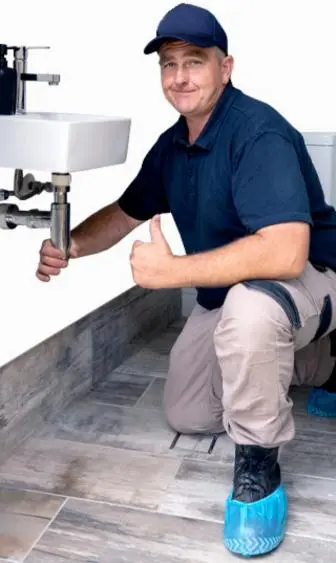
We wear boot covers or protective footwear in occupied homes, use drop sheets to protect floors and surfaces in work areas, and isolate the workspace to reduce mess. If the job involves cutting, drilling, or removing fixtures, we explain what's involved and confirm you're comfortable with the approach before starting. Rubbish and debris generated by the work are removed at the end of the job, and the area is left tidy.
Technicians arrive in uniform, can identify themselves on arrival, and follow entry instructions when access involves security gates, intercom systems, or specific site requirements. We've completed police checks and background checks for all attending plumbers, and we can accommodate safety-sensitive requests where disclosed. Work areas are cleaned progressively, not only at completion, and we take reasonable care around finished surfaces like stone benchtops, tiled bathrooms, and timber floors.
If you're coordinating access for a rental property, strata unit, or commercial tenancy, we provide clear arrival communication, job documentation suitable for agents and strata records, and receipts or invoices that meet record-keeping requirements. For strata properties, we clarify responsibility boundaries (lot owner vs body corporate) and can work with building managers to coordinate access and approvals where required.