Open Now — 24/7 Plumbing
5-Star Service
Local Plumbing Services 24/7

Plumber in Nambour

Big Blue Plumbing services Nambour as part of our Sunshine Coast, Noosa, and Moreton Bay coverage, offering 24/7 plumbing and gas work with fixed upfront pricing and no hidden fees. For immediate dispatch or to book an inspection, call (07) 5404 9354.

Schedule an Appointment
We are always here for you, 24/7, no matter the time, day, or task at hand.
°C

Plumber Nambour, Sunshine Coast Licensed Plumbing and Gas Services

Big Blue Plumbing provides licensed plumbing and gas services in Nambour as part of our Sunshine Coast, Noosa, and Moreton Bay service footprint. We cover residential, commercial, and strata properties with 24/7 emergency dispatch and fixed upfront pricing once scope is finalised. Work is scheduled from local dispatch points across the region, and when we arrive depends on current bookings and your location within the service area. Onsite conditions vary by property age and access, so the first visit confirms what's affected, how it's accessed, and what's involved before any quote is finalised.

The team brings 40+ years of combined plumbing experience and has completed over 3,000 plumbing and gas jobs across South East Queensland. All attending technicians hold the appropriate licences for the work they perform and are police-checked before joining the team. We're adequately insured, which means you're protected if accidental property damage occurs during the job, and workers compensation coverage applies to workplace injuries onsite.

Pricing is by the job, not by the hour. There are no hidden costs, and you'll receive a fixed price quote before work starts so you can decide with full clarity once the scope is explained. If you're not sure how urgent your situation is, a short call confirms priority and the next available booking window.

What Does a Plumbing Assessment Involve in Nambour?

A plumbing assessment in Nambour starts with identifying what's failed, where it's located, and what's causing restricted flow, pressure loss, or leaks. The first visit includes checking the affected fixture or line, confirming access to pipework or drainage points, and explaining what's found in plain English before any repair begins. If the issue is straightforward and parts are onhand, it's often resolved during that visit; if inspection reveals structural damage or a need for relining, the options are explained and a fixed quote is provided once scope is verified.

For drainage blockages, we use CCTV camera inspections to visually locate the restriction and determine whether it's debris buildup, root intrusion, or pipe failure. That footage shows exactly what's blocking the line and helps confirm the least disruptive clearing method. High-pressure water jetting is the standard approach for stubborn obstructions, using specialized nozzles to scour grease and pulverize roots without damaging modern PVC or older clay pipes.

Hot water faults are assessed by checking the unit's age, fuel type (electric, gas, or solar), and whether the issue is temperature fluctuation, no hot water at all, or visible leaks at connections. We confirm the system's condition, test pressure relief valves where accessible, and explain whether it's a component replacement or a full system upgrade. Tempering valves are mandatory under Australian Standards to prevent scalding, so any new installation includes compliance checks and documentation where required.

Gas work follows a similar path. If there's a suspected leak, we isolate the supply first, then use combustible gas detectors to trace the fault. Once the repair is quoted and approved, the line is pressure-tested to confirm it's gas-tight before being recommissioned. A compliance certificate is issued for regulated work to verify the installation meets safety standards.

Common Plumbing Faults in Residential Properties

Residential plumbing faults often start as minor annoyances before escalating into property damage or unusable fixtures. A dripping tap that's ignored can waste hundreds of litres over weeks and signal a worn washer or cartridge that eventually fails completely. Leaking cisterns are a frequent callout, usually caused by a perished flapper valve or overflow tube that allows water to run continuously into the bowl.

Blocked drains present differently depending on the line. Kitchen sinks slow down when fat, oil, and grease solidify in the trap or further along the line, trapping food scraps and creating a fatberg. Shower drains block when hair combines with soap residue to form a dense mat inside the P-trap. External stormwater and sewer lines are more commonly affected by tree root intrusion, where roots chase moisture through microscopic cracks in aging terracotta or clay pipes and expand over time.

  • Burst or leaking pipes: Often caused by corrosion in older galvanised steel or cast iron, ground movement in reactive clay soils, or pressure surges from mains supply fluctuations.
  • Hot water system failures: Storage tanks develop sediment buildup that insulates heating elements, reducing efficiency. Sacrificial anode rods corrode over time, and once depleted, the tank itself begins to rust from the inside.
  • Leaking taps and mixers: Rubber washers, O-rings, and ceramic disc cartridges wear out with regular use, causing drips at the spout or leaks at the base of the tap body.
  • Toilet faults: Cisterns that won't stop filling, bowls that won't flush properly, or seals that leak at the pan connector all disrupt daily use and waste water.

From similar work across the Sunshine Coast region, older homes often have a mix of pipe materials from different renovation periods, which affects how faults present and what clearing methods work. Properties built before the 1980s may still have sections of galvanised steel or cast iron that are nearing end-of-life, while homes from the 1990s onward typically use copper or early PVC that holds up better but still ages.

If you notice slow drainage, unusual odours from floor waste, or damp patches appearing on walls or ceilings, those are early signals worth investigating before the fault worsens. The goal is to confirm what's failed, explain why it happened, and restore function using a durable fix that's verified before we leave.

Emergency Plumbing Response and What to Expect

Emergency plumbing covers situations where there's an active leak, no water supply, suspected gas leak, or sewage backup that creates a health or safety risk. We offer 24/7 emergency dispatch, which means urgent jobs are allocated to the nearest available technician from our local service coverage. Immediate dispatch doesn't guarantee a fixed arrival time, it means the job is prioritised and sent out as quickly as current bookings and travel conditions allow.

When you call, we'll ask what's happening, where the issue is located, and whether you've been able to isolate the water or gas supply. If there's an urgent safety risk, brief guidance is provided to reduce harm while the plumber is on the way, but we don't coach diagnosis over the phone. The focus is making it safe, limiting damage, and getting someone onsite to assess and quote the repair.

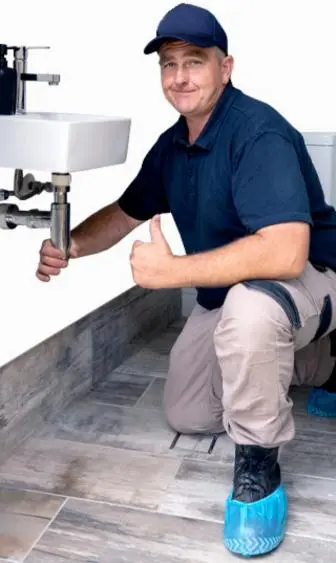
Arrival communication includes an ETA update where possible, and the attending technician can identify themselves before entry. They'll arrive in uniform, confirm what access is needed, and explain what they're doing before starting. Work areas are protected with drop sheets where practical, and boot covers are worn in homes when requested or when conditions require it.

If the fault can be fixed immediately and parts are available, it's completed onsite. If not, we make the property safe, explain what's needed, and return as soon as parts are sourced or access is arranged. You'll receive a fixed-price quote before any non-emergency work proceeds, and emergency service calls follow the same no-hidden-fees policy. Confirm the call-out fee status when booking so there are no surprises.

Blocked Drains and Drainage Solutions

Blocked drains in Nambour range from simple trap obstructions that clear in minutes to deeper line failures requiring excavation or trenchless relining. The first step is confirming where the blockage sits, whether it's internal (inside the building) or external (in the yard or under paving), and what's causing the restriction.

Internal blockages are often cleared mechanically or with targeted jetting. External blockages require camera inspection to identify the exact location and whether the pipe is structurally sound. If roots have cracked the pipe or the line has collapsed, clearing the blockage alone won't prevent it from recurring. That's when relining or replacement is discussed.

Pipe relining involves inserting a flexible, resin-coated liner into the damaged section, then inflating and curing it to form a new pipe within the old one. It's effective for accessible lines where the structure hasn't completely collapsed, and it avoids digging up driveways, gardens, or finished paving. Traditional excavation is still necessary when the pipe is beyond relining or access points don't allow liner insertion.

Stormwater and sewer lines are often affected by similar issues but managed differently. Sewer lines carry waste to the mains connection or septic system and must remain clear to prevent backups into the home. Stormwater lines carry roof and surface runoff to the street or absorption pits, and blockages here typically cause pooling water or flooding during heavy rain.

At first check, we'll locate the inspection points (usually gully traps or external access pits), run the camera if needed, and explain what the footage shows. The clearing method depends on what's found, access constraints, and whether the pipe can handle high-pressure jetting without further damage. Flow is tested after clearing to confirm the line is restored, and you'll receive photos or a summary of findings if that helps with records or insurance.

Hot Water System Repairs, Replacement, and Installation

Hot water faults often show up as fluctuating temperatures, no hot water at all, or visible rust in the water during morning use. Storage systems (electric or gas) have a tank that heats and holds water, while continuous flow (instantaneous) systems heat water on demand as it passes through the unit. Solar systems use roof panels to preheat water before it reaches a booster element or gas burner.

Common faults include failing thermostats, corroded anode rods, sediment buildup inside the tank, or leaking pressure relief valves. When a storage tank starts leaking from the base, it's usually the tank itself that's corroded through, and replacement is the only permanent fix. Component repairs (elements, thermostats, valves) can extend the life of a unit that's otherwise sound, but older systems nearing 10-15 years are often replaced rather than patched repeatedly.

New installations must comply with the National Construction Code and AS/NZS 3500 standards, which require licensed installation, tempering valves to limit tap temperature to 50°C, and pressure relief valves to prevent over-pressurisation. We explain the fuel options (electric, gas, heat pump, solar) and what affects running costs, space requirements, and rebate eligibility before quoting the install.

If your current system is failing and you're not sure whether to repair or replace, the site assessment includes checking the unit's age, condition, and whether parts are still available. We'll explain the trade-offs (repair cost vs. Replacement cost, remaining lifespan, energy efficiency) so you can decide with clarity. Fixed pricing applies once the the scope is confirmed, whether it's a component swap or a full system upgrade.

Gas Fitting, Leak Detection, and Compliance

Gas work must be performed by a properly licensed gas fitter, and all installations require pressure testing and, in most cases, a compliance certificate to verify the system meets safety standards. We handle gas appliance connections (cooktops, ovens, instantaneous hot water service), new gas point installations, burst gas pipe repairs, and suspected leak investigations.

If you smell gas (the distinctive rotten-egg odour from added mercaptan), treat it as urgent. Don't operate electrical switches, and ventilate the area if safe to do so. Call us so a duly licensed gas fitter can isolate the supply, locate the fault, and make it safe. Gas leaks are traced using combustible gas detectors or thermal imaging to identify faults behind walls or in subfloor spaces.

Repairs are quoted once the fault is located, and after the work is completed, the line is pressure-tested to confirm it's gas-tight before being reconnected. Compliance documentation is provided where required, and you'll receive a certificate for your records. Gas appliances are also checked for proper ventilation, correct burner operation, and safe clearance from combustible materials during installation.

For new builds or renovations, gas lines are run, tested, and certified before final fitout. We coordinate with builders and kitchen installers to ensure rough-in is completed at the right stage and appliance connections are ready when needed. Gas work timing depends on access, whether walls are open or closed, and when inspection points are accessible for testing.

Plumbing for Renovations, Kitchens, Bathrooms, and Laundries

Renovation plumbing involves relocating fixtures, upgrading pipework, and ensuring new layouts comply with drainage fall, water pressure, and ventilation requirements. Kitchens often need new sink waste lines, dishwasher supply and drainage, and sometimes gas connections for cooktops. Bathrooms require shower waste relocation, vanity and toilet repositioning, and floor waste if installing a wet-room layout.

The earlier we're consulted, the easier it is to plan around structural constraints like joist direction, existing stack locations, and slab penetrations. If you're moving a toilet or shower, the waste line must maintain correct fall (grade) to prevent slow drainage, and venting may be required depending on the run length and fixture type.

We visit the site, review the proposed layout, and explain what's involved in rough-in (the pipework stage before walls are closed) and final fitout (fixture installation after tiling and cabinetry). Fixed pricing is provided once the scope is clear, including what's demolition, what's new installation, and what's reconnection of existing services. Coordination with tilers, builders, and kitchen fitters is part of the process, and we're available when you're ready to proceed.

Renovation work is priced by the job scope, not by the hour, so the quote reflects what's agreed upfront. If site conditions reveal unexpected issues (corroded pipes, non-compliant drainage fall, concealed leaks), we explain the options and adjust the quote before proceeding. You're always informed before additional work goes ahead.

How the Booking and Service Process Works

We keep the process straightforward and transparent. You'll know what's involved, what it costs, and what happens next before any work begins. Pricing is fixed once scope is clarified, and there are no hourly rates or surprise add-ons. It's plumbing handled in a way that respects your time and your property.

Book your service

Use our online form, live chat, or call us directly. We'll confirm your location, the issue, and priority level.

Arrange a time

We'll schedule a technician and provide an ETA once the booking is locked in. Urgent jobs are dispatched immediately.

Assess and fix the problem

The plumber confirms scope, explains findings, and provides a fixed quote before starting. Work is tested and verified before completion.

Pay the fixed-price invoice

Once the job is complete and you're satisfied, the invoice is issued. Payment options include card, bank transfer, or our 0% interest payment plan via Brighte.

Easy Steps

General Plumbing Services and Residential Maintenance

General plumbing covers the everyday faults that disrupt home routines: taps that won't stop dripping, toilets that won't flush or refill properly, leaking shower roses, and water hammer (the loud banging in pipes when taps are turned off suddenly). These issues might seem minor, but they often signal worn components, incorrect water pressure, or loose pipe mounting that worsens over time.

We start by confirming what's failed and whether it's an isolated fault or part of a broader pattern. For example, multiple taps leaking at the same time can indicate a pressure problem rather than individual washer failure. A toilet that won't stop running is usually a cistern valve issue, but it could also be linked to incorrect float adjustment or a cracked overflow tube.

Residential maintenance includes routine checks on hot water systems (flushing sediment, testing relief valves, inspecting anode rods), leak detection before minor drips become ceiling damage, and ensuring gas appliances are operating safely and efficiently. Regular maintenance catches problems early and avoids the cost and disruption of emergency repairs.

Property managers and landlords benefit from scheduled maintenance visits that keep rental properties compliant and reduce tenant callouts. We can coordinate access with tenants, provide documentation suitable for maintenance logs, and respond quickly when urgent faults arise. Invoices are structured for easy reconciliation, and we follow site requirements for strata or commercial properties where needed.

Commercial and Strata Plumbing Services

Commercial plumbing differs from residential work in scale, compliance requirements, and the cost of downtime. A blocked drain in a café kitchen or a faulty grease trap in a restaurant can halt operations and trigger health violations. A burst pipe in a strata common area can affect multiple units and require rapid coordination with body corporate and insurance assessors.

We handle backflow testing (mandatory annual testing for commercial and strata properties connected to mains water), grease trap servicing and compliance, TMV (thermostatic mixing valve) testing for aged care and childcare facilities, staff amenity fitouts, and water treatment system maintenance. Each service includes documentation suitable for council submissions, insurance records, or building management logs.

Strata properties require clear communication around access, common property boundaries, and individual lot responsibility. We can attend body corporate meetings to explain scope, provide written quotes for planned works, and coordinate with owners, tenants, and strata managers to minimise disruption. Compliance documentation is provided where required, and work is scheduled around resident access and building rules.

Commercial jobs are assessed onsite to confirm scope, access constraints, and timing. Fixed pricing applies once the job is defined, and we explain what's included, what's excluded, and what might change the cost if site conditions differ from initial inspection. For ongoing commercial clients, we can establish service agreements that prioritise callouts and streamline invoicing.

Industrial Plumbing and Large-Scale Projects

Industrial plumbing involves water harvesting systems, irrigation for large grounds or agricultural setups, high-pressure hose installations, and routine cleaning of commercial drainage systems. These jobs require planning, safe work practices, and coordination with other trades, site managers, and operational schedules to minimise downtime.

We've worked on major industrial installations and emergency repairs at older facilities, and the approach is always the same: investigate thoroughly, explain the options, provide a fixed quote once scope is established, and complete the work with minimal disruption. Industrial sites often have unique access requirements, induction procedures, and sign-in protocols, which we follow as part of the job.

High-pressure water systems (used for washdown areas, cleaning equipment, or dust suppression) require correct pump sizing, pressure regulation, and durable fittings that withstand constant use. We assess the application, confirm flow and pressure requirements, and recommend components that match the duty cycle and environment.

Water harvesting and irrigation systems are designed around the site's water needs, available capture area (roof size, surface runoff), and storage capacity. We handle tank installation, pump selection, filtration if required, and connection to irrigation zones or process water supply. Testing and commissioning ensure the system operates as designed before handover.

Why Fixed Pricing Works Better Than Hourly Rates

Hourly pricing creates uncertainty. You don't know the final cost until the job is finished, and there's no incentive for efficiency. Fixed pricing removes that friction by providing a clear cost upfront, once scope is agreed. You decide whether to proceed based on the quoted price, not a guess.

The fixed-price model also means we're motivated to complete the work efficiently without cutting corners. The price doesn't change if the job takes longer than expected (provided the scope hasn't changed), so there's no incentive to stretch the work. If inspection reveals additional faults or scope changes, we explain the options and provide a revised quote before any extra work begins.

No hidden fees means exactly that. The quote includes labour, materials, and waste disposal where relevant. You won't be charged separately for travel, call-out, or "consumables" unless those fees are disclosed upfront when booking. If you have a valid senior card, the senior discount applies, and 0% interest payment plans are available via Brighte with approval times around 5, 7 minutes.

The process is: book the assessment, confirm scope onsite, receive a fixed quote, approve the work, and pay the invoice once it's complete and verified. It's transparent, bounded, and low-friction.

What the Workmanship Warranty Covers

Our workmanship warranty covers faults that arise from the plumbing work itself, not wear-and-tear on fixtures, manufacturer defects in supplied products, or damage caused by external factors. If a joint leaks because it wasn't sealed correctly, or a connection fails because it wasn't tightened properly, that's covered under the workmanship warranty and we'll address it.

Manufacturer warranties apply separately to products like hot water systems, tapware, or fixtures, and those warranties are passed on to you with receipts and documentation. If a new hot water service system fails because of a component defect within the manufacturer's warranty period, the manufacturer handles the claim and we coordinate the replacement or repair where needed.

The distinction matters because it sets clear expectations. If a fault shows up that's related to our work, we address it under the workmanship warranty. If it's a product defect, the manufacturer's warranty applies. If it's damage from misuse, external impact, or unrelated plumbing issues, that's quoted separately as a new job.

We aim for durable fixes that don't need revisiting, and outcomes are tested before departing. Toilets are flushed multiple times, taps are run under pressure, drains are checked for flow, and gas lines are pressure-tested. If something isn't right, it's corrected before the job is signed off.

How We Protect Your Home During Plumbing Work

From the moment we arrive, the focus is minimising mess and respecting your property. Drop sheets or protective covers are used in work areas to protect floors and surfaces. Boot covers or clean shoes are worn in homes when requested or when site conditions require it. Tools and materials are kept contained, not spread across the house.

If the work involves cutting, drilling, or removing fixtures, we isolate the area where practical and explain what's being done before starting. Dust and debris are cleaned up progressively, not left until the end, and larger waste (old fixtures, packaging, offcuts) is removed from site unless you prefer to keep materials for disposal.

In homes with premium finishes (stone benchtops, timber floors, tiled wet areas), we take extra care around visible surfaces and confirm scope before touching fixtures or drilling penetrations. If access requires moving furniture or temporarily disconnecting appliances, that's discussed upfront and restored once work is complete.

Arrival communication includes an ETA update where possible, and the attending technician can identify themselves before entry. We follow entry instructions carefully and keep movement through the home to the minimum required for the job. If there's a security-sensitive request (specific entry protocol, restricted access areas, timing constraints), let us know when booking and we'll accommodate it.

Full Range of Plumbing and Gas Services in Nambour

We offer same-day service availability across the Sunshine Coast region (subject to current bookings) and cover the full spectrum of residential, commercial, strata, and industrial plumbing needs. From gas services and hot water systems to blocked drains and routine maintenance, the service range reflects 40+ years of combined experience and over 3,000 completed jobs. Work is priced by the job with no hidden fees, and every technician is appropriately licensed for the plumbing, drainage, and gas work they perform.

Frequently Asked Questions, Plumber Nambour

How quickly can a plumber reach Nambour for an emergency?

Emergency dispatch means urgent jobs are sent to the nearest available technician from our Sunshine Coast service coverage. Immediate dispatch does not guarantee a fixed arrival time; it means the job is prioritised and allocated as quickly as current bookings and travel conditions allow. An ETA is provided when booking where possible, and you'll receive updates if timing changes. Arrival depends on your location within Nambour, traffic, and whether other emergency jobs are already underway.

What should I do if I smell gas at my Nambour property?

If you smell gas (the rotten-egg odour from added mercaptan), treat it as urgent. Don't operate electrical switches or create sparks. Ventilate the area if it's safe to do so, and call us immediately so a licensed gas fitter can isolate the supply, locate the fault, and make the system safe. Do not attempt to trace the leak yourself; gas work must be performed by a licensed professional, and the line will be pressure-tested after repair to confirm it's gas-tight before reconnection.

Do you provide transparent pricing for plumbing work in Nambour?

Yes. We price by the job, not by the hour, and provide a fixed-price quote once scope is defined onsite. The quote includes labour, materials, and waste disposal where relevant, with no hidden fees. You'll know the cost before work begins, and you can decide whether to proceed once the scope and price are explained. If inspection reveals additional faults or the scope changes, we explain the options and provide a revised quote before any extra work goes ahead.

What's included in a blocked drain assessment?

A drain blockage assessment includes locating the blockage (internal or external), confirming what's causing the restriction, and explaining the clearing options. For external blockages, we use CCTV camera inspection to visually identify the fault, its location, and whether the pipe is structurally sound. You'll see the footage and receive an explanation of what's found before any clearing begins. The clearing method (mechanical, jetting, or excavation) depends on the blockage type, pipe condition, and access constraints.

Are your plumbers licensed and insured?

Yes. All attending technicians hold the appropriate licences for plumbing, drainage, and gas work, and we carry full insurance. Public Liability insurance protects you if accidental property damage occurs during work, and Workers Compensation coverage applies to workplace injuries onsite. Technicians are also police-checked and background-checked before joining the team, and they'll arrive in uniform and can identify themselves before entry.

How do I know if a plumbing fault is urgent or can wait?

Treat it as urgent if there's an active leak you can't isolate, no water supply, a suspected gas leak, or sewage backflowing into the property. Slower issues like a dripping tap, gradual drainage slowdown, or a toilet that's running continuously can usually wait for a scheduled booking, but they should still be addressed before they worsen. If you're unsure, a brief phone call clarifies priority and confirms whether same-day dispatch is needed or a planned booking is sufficient.

What affects the cost of plumbing work in Nambour?

The cost depends on the scope of work (what's being repaired or installed), access (whether pipework is exposed or concealed), parts required, and whether it's a straightforward fix or involves structural work like excavation or relining. After-hours or emergency service calls may attract additional charges, which are disclosed when booking. The fixed-price quote reflects the confirmed scope, and there are no hourly rates or surprise add-ons. Confirm the call-out fee status when booking if that's a concern.

Can you handle plumbing work for strata or rental properties in Nambour?

Yes. We coordinate access with tenants, strata managers, and body corporate, provide documentation suitable for maintenance logs and insurance records, and follow site requirements for entry and sign-in where needed. Strata work includes common property drainage, hot water systems, backflow testing, and emergency repairs that affect multiple units. Invoices are structured for easy reconciliation, and we explain common property vs. Individual lot boundaries where relevant to avoid disputes.

Do you offer payment plans for larger plumbing jobs?

Yes. We offer a 0% interest payment plan via Brighte, with approval times around 5, 7 minutes. It's available for larger jobs where upfront payment might be difficult, and there are no hidden fees or interest charges. You'll need to apply through Brighte's system, and once approved, the payment plan is linked to the invoice. Standard payment options (card, bank transfer) are also available, and senior discounts apply when you show a valid senior card.

What does the workmanship warranty actually cover?

The workmanship warranty covers faults that arise from the plumbing work itself, such as leaking joints, incorrectly fitted components, or connections that fail because they weren't installed properly. It does not cover wear-and-tear, manufacturer defects in supplied products, or damage from external factors. If a workmanship issue shows up after the job is complete, we'll address it under the warranty. Manufacturer warranties apply separately to products like hot water systems and tapware, and those are passed on to you with documentation.

24/7 Emergency Service Near You.

Get a fast response, call us now:

(07) 5404 9354
Man on Phone

Let’s Connect

Fill in the form below, one of our customer-support team will be with you shortly.

See What People Are Saying

With over 15 reviews and counting, it’s clear to see that our customers love us.

True Local
Facebook
Product Review
Call Now!