Emergency Plumbing in Warana, 24/7 Response for Urgent Faults
Big Blue Plumbing handles emergency plumbing situations in Warana by dispatching licensed plumbers 24/7 from coverage points across the Sunshine Coast, Noosa, and Moreton Bay regions, with technicians allocated to urgent jobs first based on proximity and current workload. Emergency service covers immediate-risk faults, ruptured pipes, active gas leaks, sewage backups through fixtures, flooding, and hot water system failures, where delay increases property damage or creates a safety hazard. If the initial assessment shows the fault can be contained or repaired on the first visit, the plumber explains the scope and provides a fixed price before starting; if further work is needed, the options are outlined and you decide once the full picture is clear.
Onsite conditions vary by property type, pipe access, and the nature of the fault. The first priority is making it safe: isolating water or gas supply, stopping active leaks where possible, and confirming whether interim measures can hold until a full repair is scheduled. Where an urgent fault requires parts, specialist equipment, or structural access, the plumber communicates what's needed, arranges follow-up, and ensures the property is left in a safe and usable state. With over 3,000 plumbing and gas jobs completed across South East Queensland and 40+ years of combined experience in the team, the approach is grounded in what actually works under pressure.
Arrival timing depends on current emergency bookings, distance from the nearest dispatch point, and traffic conditions, but urgent jobs are sent out immediately and you're provided with an ETA when booking. If a situation is worsening quickly, water pooling near electrical outlets, gas odour indoors, or sewage surfacing, mention it when you call so priority can be confirmed. You don't need to diagnose the fault or attempt temporary fixes; a brief description of what's happening and where it's coming from is enough for dispatch to allocate the right technician and confirm urgency.
When to Call an Emergency Plumber Immediately
An emergency plumber should be called immediately when a plumbing fault creates an active safety risk, causes rapid property damage, or makes essential services unusable with no safe way to wait. Burst pipes that are flooding rooms, gas leaks with a detectable odour indoors, sewage backflowing through toilets or floor drains, and hot water systems leaking heavily near electrical wiring are clear emergency scenarios. If water is pooling near power points, spreading through walls or ceilings, or the source cannot be isolated using shut-off valves, treat it as urgent and book a callout rather than attempting containment yourself.
For active leaks, the immediate step is to isolate the water supply if you know where the mains shut-off is located and it's safely accessible. Don't attempt to operate valves that are seized, corroded, or located in flooded areas. If you can't safely isolate the supply, move belongings away from the affected area and call for dispatch. Gas situations are different: if you smell gas indoors, don't operate light switches or electrical appliances, open windows and doors if it's safe to do so, and evacuate the property before calling from outside. The gas supply should only be turned off at the meter if you know how and it's immediately accessible; otherwise leave it to the licensed gas fitter on arrival.
Blocked drains that are causing sewage to surface in showers, laundry areas, or outside the property boundary are treated as urgent due to health risks and the speed at which contamination can spread. Toilet blockages that overflow when flushed, or drains that bubble and emit odours when other fixtures are used, indicate a restriction in the main line that can worsen quickly. In these cases, stop using all plumbing fixtures connected to that drain line and call for an emergency assessment. The plumber will use a CCTV drain camera where needed to locate the blockage, then clear it using high-pressure water jetting or mechanical methods depending on what the inspection shows.
What Emergency Plumbing Covers and What Happens on Arrival
Emergency plumbing service in Warana addresses faults that require immediate containment or repair to prevent escalating damage, restore safety, or make essential fixtures usable again. It includes burst or leaking pipes, flexi hose failures at taps or behind appliances, hot water tank ruptures, gas leaks and appliance faults, blocked drains causing backups, and flooding from failed fixtures or overflows. The plumber arrives with diagnostic tools, leak detection equipment, CCTV drain cameras, pressure testing gear, and a stocked van with common replacement parts, so containment or repair can often proceed on the first visit if access and conditions allow.
On arrival, the plumber confirms the affected area, checks for active leaks or safety hazards, and isolates the system where necessary to stop further damage. If it's a broken pipe, the section is capped or replaced depending on material and location. If it's a blocked drain, the entry point is identified and cleared using hydro jetting for root intrusions and grease buildup, or mechanical augering for solid obstructions. Gas faults are pressure-tested after repair to confirm the system is gas-tight before being re-commissioned, in line with Australian Standard AS/NZS 5601.1. Hot water failures are assessed for whether the unit can be repaired or needs replacement, with options explained before any work beyond containment proceeds.
Once the immediate fault is contained or resolved, the plumber tests the outcome, checking flow, confirming no new leaks, and verifying that affected fixtures operate correctly. If the job is straightforward and completed on the spot, you're provided with a fixed-price invoice and documentation suitable for insurance claims or property records. If the fault reveals underlying issues, corroded pipework, structural damage, or compliance concerns, the plumber explains what's been found, outlines the repair options, and provides a fixed quote for any additional work before proceeding. You're not committed to further work on the spot; the priority is making it safe and giving you the information to decide next steps.
Common Emergency Plumbing Faults in Warana Properties
Burst pipes in residential properties often occur at weak points such as corroded joins, compression fittings under sustained pressure, or flexi hoses that have reached the end of their service life. Flexi hoses, the braided connectors behind tapware, toilets, and washing machines, can fail suddenly due to internal corrosion or pressure fatigue, releasing water at mains pressure. When a flexi hose bursts, it typically floods the immediate area rapidly; isolating the water supply at the fixture or mains is the safest first step while waiting for a plumber. Older copper pipe systems can develop pinhole leaks from internal corrosion, while galvanised steel pipes common in pre-1980s builds are prone to rust-through over time.
Hot water system failures range from pressure relief valve discharge (which can indicate over-pressurisation or a faulty thermostat) to tank splits caused by sediment buildup and internal corrosion. Electric storage systems are common in Warana properties; a failing element or thermostat can leave you without hot water, while a leaking tank often shows as rusty water pooling around the base. Gas continuous flow units can lose ignition due to failed thermocouples, blocked burners, or gas supply faults, and these require a licensed gas fitter to inspect and repair safely. When a water heater fails, the plumber confirms whether it's a repairable component fault or a tank replacement scenario, then provides options and fixed pricing before work proceeds.
Blocked drains are frequently caused by tree root intrusion in external lines (roots enter through microscopic cracks and expand over time), fat and grease buildup in kitchen waste lines, or foreign objects lodged in toilet traps. In Warana properties, a mix of modern PVC drainage and older earthenware pipes means blockage patterns vary by property age. If multiple fixtures are affected, toilet flushing slowly, shower draining poorly, gurgling sounds when the washing machine empties, it usually indicates a restriction in the main sewer line rather than a localised trap blockage. CCTV camera inspection identifies the exact location and cause, allowing for targeted clearing and, where necessary, advice on whether drain relining or replacement is required to prevent recurrence.
How Big Blue Plumbing Handles Emergency Callouts
Emergency plumbing callouts are dispatched immediately, with urgent jobs prioritised over scheduled maintenance work to reduce wait times where property damage or safety is escalating. Technicians are allocated from the nearest available point within the Sunshine Coast, Noosa, and Moreton Bay service coverage, and you're provided with an estimated arrival time when booking so you know what to expect. The 24/7 dispatch model means calls made overnight, on weekends, or during public holidays are handled the same way as weekday emergencies; the phone is answered by someone who can assess urgency, allocate a NSW-fully licensed plumbing technician, and confirm what interim steps you can safely take while waiting.
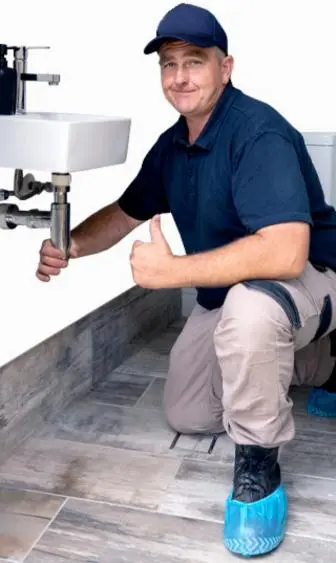
All attending plumbers are licensed for the work they perform, plumbing, drainage, and gas fitting where required, and carry identification that can be confirmed on arrival. Police checks and background screening are completed for all technicians, and arrival is communicated clearly so you know who to expect and when. The plumber arrives in uniform, introduces themselves, and explains what they'll be checking before entering the property. Protective boot covers or drop sheets are used to protect floors and minimise mess in the work area, and the job site is cleaned up before leaving so debris and offcuts are removed.
Pricing for emergency work follows the same model as scheduled jobs: priced by the job, not by the hour, with the fixed price provided once the scope is clarified onsite. There are no hidden costs, and if after-hours or urgency affects the pricing structure, that's explained upfront so you can decide whether to proceed immediately or schedule for standard hours if the situation allows. Payment is due on completion, with receipts and invoicing suitable for landlords, insurers, and strata records. If the fault requires follow-up work or parts that aren't immediately available, the plumber confirms what's needed, provides a timeline, and ensures the property is left safe and usable in the interim.
Licensing, Insurance, and Workmanship Standards
All plumbing and gas work completed by Big Blue Plumbing is performed by licensed tradespeople in accordance with Queensland plumbing regulations and Australian Standards. Licensing ensures that installation, repairs, and compliance work meet legal and safety requirements, and that the technician is qualified to assess and rectify faults correctly. Gas work in particular requires a Gas Work Authorisation under AS/NZS 5601.1, and any gas repair or installation is pressure-tested and documented before being re-commissioned to confirm it's gas-tight and safe to operate.
The business holds Public Liability Insurance and Workers Compensation Insurance. Public Liability Insurance provides protection if accidental property damage occurs during the job, for example, if a wall needs to be accessed to reach a concealed pipe and the repair results in unintended damage to finishes. Workers Compensation Insurance relates to workplace injuries sustained by technicians while on site. These policies don't eliminate the possibility of issues arising, but they provide a pathway for resolution if something goes wrong, rather than leaving you to manage risk without recourse.
Workmanship is covered by a Workmanship Warranty, which applies to the labour and installation quality rather than the lifespan of the parts themselves (manufacturers typically provide separate product warranties). If a fault related to how the work was completed shows up after the job is finished, such as a join that wasn't sealed correctly or a fitting that works loose, it's addressed under the workmanship warranty without additional labour charges. This warranty reflects accountability: the work is checked and tested before the plumber leaves, but if something related to workmanship does surface later, it's handled as a return visit rather than a new callout charge.
Payment Options, Fixed Pricing, and Senior Discounts
Big Blue Plumbing prices emergency work by the job once the scope is verified, not by the hour, so the fixed price reflects what needs to be done rather than how long it takes. This removes uncertainty around labour charges and makes it easier to approve work without worrying about the meter running while diagnostics or repairs proceed. The plumber assesses the fault, explains what's involved, and provides the fixed price before starting; if the situation changes once access is gained or inspection reveals additional issues, the updated scope and pricing are explained and you approve it before any further work goes ahead.
There are no hidden fees, and the pricing structure accounts for the full job, call-out, diagnosis, labour, and materials, so the invoice matches what was quoted. If after-hours timing affects pricing, that's stated upfront when booking, allowing you to decide whether to proceed immediately or wait for standard hours if the fault can be safely contained in the meantime. For pensioners and seniors, a discount is available when a valid senior card is presented; mention this when booking so it's applied to the final invoice.
For larger emergency repairs where the cost is significant, a 0% interest payment plan is available through Brighte, with approval typically completed in 5 to 7 minutes. This option is useful when a hot water supply unit needs replacing, a sewer line requires relining, or structural pipe repairs exceed what you're prepared to pay upfront. The payment plan is arranged during or after the job, and the plumber can walk you through the application process onsite if needed. Invoices and receipts are provided for all work, documented in a format suitable for insurance claims, strata records, and rental property maintenance logs.
What to Expect After the Emergency is Resolved
Once the immediate fault is contained or repaired, the plumber tests the affected system to confirm it's operating safely and as expected. For leaks, that means checking for residual dripping, confirming water pressure at fixtures, and verifying that isolating valves hold when closed. For blocked drains, water flow is re-tested at multiple fixtures to ensure the blockage has cleared and there's no backup when the system is under load. Gas repairs are pressure-tested to meet Australian Standards and inspected for leaks using detectors before the appliance is re-lit or the supply is restored.
If the repair involved accessing concealed pipework, cutting into walls, ceilings, or floors, the plumber explains what's been done, how the access point has been made safe, and whether you'll need a plasterer, tiler, or painter to reinstate finishes once the repair has settled. Where possible, access is minimised and edges are tidied so the reinstatement work is straightforward, but some structural access is unavoidable when pipes are hidden behind fixed linings. If CCTV check or diagnostics revealed wear, corrosion, or damage in areas that weren't part of the immediate fault, the plumber will mention it and provide advice on whether it needs attention soon or can be monitored over time.
You're provided with an invoice and, where relevant, documentation of the work completed, useful for insurance claims, strata compliance, and rental property records. If a follow-up visit is needed for parts ordering, further testing, or a staged repair, the timeline and expectations are confirmed before the plumber leaves so you know what happens next. If there are any concerns with how the repair is holding or if an issue related to the workmanship surfaces after completion, contact the office and a return visit is arranged under the workmanship warranty without additional callout fees. The goal is that the system is left operational, safe, and reliable, with any limitations or follow-up requirements clearly explained.