24/7 Emergency Plumber Maroochydore
Big Blue Plumbing responds to plumbing and gas emergencies in Maroochydore around the clock, seven days a week. We service the Sunshine Coast, Noosa, and Moreton Bay regions from local dispatch points, so urgent jobs are allocated immediately and the nearest available technician is sent out first. An ETA is provided when you book, and arrival timing depends on current jobs and traffic conditions. All attending plumbers are licensed for emergency plumbing and gas work, and the business carries Public Liability and Workers Compensation insurance for protection during onsite work.
Emergency plumbing includes situations where there's active water damage, a gas smell, loss of water supply to the property, or a blockage that prevents normal use of toilets or drains. These need professional assessment to make the system safe and restore function. Immediate dispatch doesn't guarantee a specific arrival time, but it means the job is prioritised and communicated clearly from the point of booking.
Maroochydore properties vary by age, layout, and access, so onsite assessment confirms what's repairable immediately and what requires follow-up work. Some faults can be cleared or isolated in a single visit; others need parts, approvals, or further diagnostics. The scope is explained before any work starts, and pricing is confirmed upfront based on the job, not the hour.
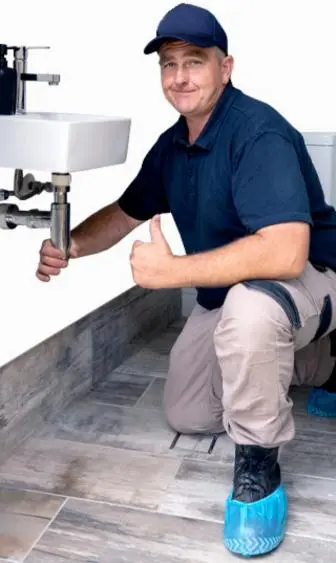
We've completed over 3,000 plumbing and gas jobs across South East Queensland, including emergency callouts to residential homes, strata properties, and commercial sites. Work is carried out by police-checked technicians who arrive in uniform, confirm identity on arrival, and follow property protection practices including boot covers and drop sheets where needed.
Common Emergency Plumbing and Gas Situations
Emergency plumbing work covers faults that cause active harm, safety risk, or loss of essential services. Big Blue Plumbing handles ruptured pipes, flexi hose failures, gas leaks, sewage overflows, major blockages, hot water unit failures, and flooding where the water source is plumbing-related. Each situation is assessed onsite to identify the cause, isolate the risk, and restore safe function where possible.
Burst pipes are often caused by pressure surges, corrosion in older copper or galvanised lines, or mechanical damage from ground movement. The main water supply is isolated first to stop further flooding, then the damaged section is assessed. If the burst is in an accessible section and parts are on hand, the repair can often be completed in one visit. Hidden pipe damage behind walls or under slabs may need CCTV check and follow-up work once access is confirmed.
Gas leaks require immediate attention. If you smell gas (a rotten egg odour added to natural gas for safety), turn off the gas supply at the meter if you can do so safely, open windows, avoid using electrical switches or ignition sources, and call a properly licensed gas fitter. Do not attempt to locate the leak yourself. Gas work is regulated under AS/NZS 5601.1, and all repairs must be pressure-tested before the system is turned back on. A compliance certificate is issued once the work passes safety checks.
Blocked drains and toilets escalate to emergency status when sewage backs up into the home or multiple fixtures are affected at once. High-pressure water jetting clears most blockages by breaking up debris and flushing the line. A CCTV drain camera is used where the blockage recurs or the cause isn't obvious, allowing us to see root intrusion, collapsed sections, or foreign objects lodged in the pipe.
Hot water system failures during cold weather or when the household relies on continuous hot water for business use (like food prep or cleaning) may be classed as urgent. Electric, gas, and heat pump systems fail for different reasons. Electric storage tanks often lose function due to element burnout or thermostat faults. Gas continuous flow units can shut down due to ignition faults, blocked burners, or pressure issues. Solar systems may have circulation pump failures or valve faults. The system is assessed onsite, and if it's repairable with available parts, work proceeds after the quote is confirmed.
How Pricing and Scope Confirmation Works
Big Blue Plumbing prices work by the job, not by the hour. That means you receive a fixed price before any work starts, based on the confirmed scope. There are no hidden fees, and pricing stays the same regardless of how long the job takes to complete. This removes hourly uncertainty and lets you decide whether to proceed once you know the cost.
The process works like this: the technician assesses the fault onsite, explains what's causing it, and confirms what's included in the repair (parts, labour, testing, and any follow-up checks). If the scope is straightforward and parts are available, a fixed quote is provided on the spot. If diagnostics show additional work is needed, such as replacing a section of pipework that's corroded beyond the initial leak point, the options are explained and quoted separately before proceeding.
For after-hours emergency callouts, a call-out fee may apply depending on timing and location within the service area. Confirm the call-out fee status when booking so there are no surprises. The call-out fee typically covers travel, initial assessment, and diagnosis. If you proceed with the quoted repair, that cost structure is explained clearly before work begins.
Invoices and receipts are provided after the work is completed and are suitable for insurance claims, strata records, or rental property documentation. If you're organising payment through a property manager, real estate agent, or strata committee, let us know during booking so the paperwork is set up correctly from the start.
What Happens During an Emergency Callout
When you book an emergency plumber, the top priority is making the situation safe and stopping further damage. That might mean isolating water at the meter, turning off gas supply, or containing a leak with temporary measures until permanent repairs are completed.
The plumber arrives with diagnostic tools including a CCTV drain camera, pressure testing tools, leak location devices, and a range of common repair parts for pipework, valves, taps, and fittings. They'll ask about what happened, when the fault started, and whether there were any warning signs (like reduced pressure, unusual sounds, or slow drainage). These details help narrow down the likely cause before any invasive work begins.
Once the fault is located, the technician explains what's wrong, what caused it, and what's needed to fix it properly. If it's a straightforward repair, like replacing a burst flexi hose under a sink or clearing a blocked drain, the work proceeds after you confirm the fixed price quote. If the issue is more complex (like a sewer line that needs relining or a hot water tank that's beyond economical repair), the options are laid out with cost implications for each path.
After the repair is completed, the system is tested to confirm function. For drainage work, that means running water through the cleared line and checking flow at multiple outlets. For gas work, it means pressure testing the repaired section and using a gas detector to confirm there are no residual leaks. For ruptured pipe repairs, it means turning the water back on and checking the new join under full pressure. If everything checks out, the site is cleaned up (including removing any offcuts, packaging, or debris), and the invoice is provided prior to leaving.
Licensed, Insured, and Police-Checked Technicians
All Big Blue Plumbing technicians hold the required licences for plumbing, drainage, and gas fitting work in Queensland. Licensing ensures the person working on your property has completed the necessary training, meets safety standards, and is legally permitted to carry out regulated work under Queensland's plumbing and gas compliance framework.
The business is comprehensively insured with Public Liability and Workers Compensation coverage. Public Liability insurance provides protection if accidental property damage occurs during the work (such as a fixture being damaged during a repair). Workers Compensation insurance relates to workplace injuries that may occur on the job. These are standard protections, and having them in place means you're not exposed to risk if something unexpected happens onsite.
Technicians undergo police checks and background screening as part of the business's safety and security protocols. This is standard practice for trades working in occupied homes, and it's particularly relevant for emergency callouts where the plumber may be entering the property outside of normal hours or when you're not present. Identity can be confirmed on arrival, and technicians arrive in uniform so you know who's at the door.
In homes with security systems, access codes, or entry instructions, those details are handled carefully and only shared with the attending technician. If you have specific requests around entry timing, parking, or preferred access points (like side gates for rear-yard work), mention them when booking so the technician is briefed before arrival.
Response Speed and Booking Availability
Big Blue Plumbing operates 24 hours a day, 7 days a week, including public holidays. Emergency jobs are dispatched immediately, which means they're sent to the nearest available technician and moved ahead of scheduled maintenance work. Immediate dispatch is an operational priority, not a guaranteed arrival time. Actual arrival depends on where the technician is currently located, how many emergency jobs are already in the queue, and traffic or access conditions between the current job and your property.
An ETA is provided when you book, and updates are communicated if delays occur. For jobs booked during standard business hours, response times are generally faster because more technicians are active across the service area. For after-hours callouts (late night, weekends, public holidays), response may take longer depending on technician availability, but urgent jobs are still prioritised ahead of non-emergency bookings.
If the situation is manageable and can wait until the next business day, that option will be offered. Not every fault needs an immediate emergency callout. A dripping tap, a slow-draining sink, or a toilet that's still functional but refilling slowly can often be scheduled as a standard appointment at a lower cost than an after-hours emergency rate. The decision is yours, and the booking team will help you assess urgency based on what you're experiencing.
For genuinely urgent situations, where there's active flooding, a gas smell, sewage overflow, or complete loss of water or hot water, the callout proceeds as an emergency with immediate dispatch and clear communication around timing and next steps.
Workmanship Standards and Warranty Coverage
Work completed by Big Blue Plumbing is covered by a workmanship warranty. That means if a fault develops that's related to how the repair was carried out (such as a join that leaks or a fitting that fails), it's addressed under the warranty at no additional cost. Workmanship warranty is separate from manufacturer warranty, which covers defects in parts or products supplied as part of the installation.
The workmanship warranty covers the labour and installation quality. If something goes wrong due to how the work was performed, it's corrected. The warranty does not cover damage caused by misuse, accidental impact, or faults in unrelated parts of the system that were not part of the original repair. If a warranty issue arises, contact us and we'll schedule a return visit to assess and rectify the fault.
Only quality products are used for installations and replacements, and where parts are supplied, manufacturer warranty details are provided as part of the job documentation. This is standard for items like hot water systems, tapware, valves, and appliances where the manufacturer offers a separate warranty period.
All work is completed to Australian plumbing standards and Queensland plumbing and gas regulations. Where compliance certification is required (such as for gas work, backflow prevention devices, or certain drainage installations), the necessary documentation is provided once the work is complete and passes inspection.
Service Coverage Around Maroochydore and the Sunshine Coast
Big Blue Plumbing services Maroochydore as part of its broader Sunshine Coast, Noosa, and Moreton Bay coverage. Emergency dispatch operates from local service points, which allows for faster response to urgent jobs compared to businesses operating from a single distant location. The service area includes surrounding suburbs such as Mooloolaba, Alexandra Headland, Buderim, Kuluin, and Mountain Creek, as well as further north into Noosa and south through Moreton Bay.
Because Maroochydore properties vary by age, type, and access (from older low-set homes near the river to newer apartments and townhouses in higher-density developments), onsite assessment confirms the working conditions before quoting. Access constraints like underground parking, strata common property boundaries, or limited street parking are noted during booking so the right vehicle and equipment are allocated to the job.
For commercial and strata work in Maroochydore, the process includes coordinating with property managers, following site induction requirements where applicable, and providing job documentation suitable for maintenance logs and compliance records. Strata plumbing can involve boundaries between lot owner responsibility and body corporate responsibility, so scope is clarified before work proceeds to avoid disputes over who pays for what.
When to Call a Plumber vs. Handling It Yourself
Some plumbing situations require immediate professional help. If you can smell gas, see active water flooding, notice sewage backing up, or have completely lost water supply to the property, stop using the affected system and book a licensed and insured plumbing technician. Do not attempt to repair gas lines, pressurised water pipes, or sewer systems yourself. These are regulated systems where incorrect work creates safety risks and potential legal liability.
For less urgent situations, there are a few basic safety steps you can take while waiting for a plumber to arrive. If a pipe has burst, turn off the water supply at the meter (usually located near the front boundary). If you smell gas, turn off the gas meter if safe to do so, open windows for ventilation, avoid electrical switches, and leave the property until a gas fitter confirms it's safe. If a toilet is blocked but not overflowing, stop using it and avoid flushing repeatedly, which can cause sewage to back up into the bowl or overflow onto the floor.
Do not disassemble fixtures, use chemical drain cleaners in desperation, or attempt to force blockages with makeshift tools. Chemical cleaners can damage pipes, and forcing a blockage can push it further into the line or damage the pipe itself. If you're unsure whether the situation is urgent, call for advice. The booking team can help assess what you're describing and recommend whether it needs immediate attention or can wait for a scheduled appointment.