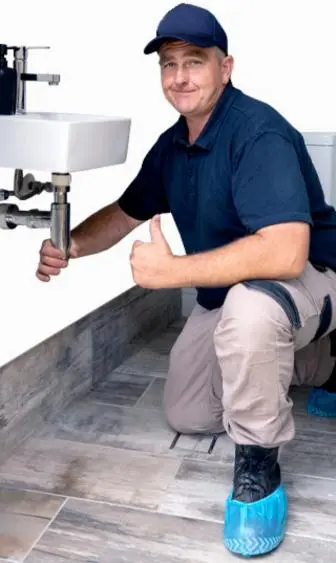
24/7 Emergency Plumber Kawana Waters
Big Blue Plumbing provides 24/7 emergency plumbing for Kawana Waters properties, dispatched from our local coverage across the Sunshine Coast, Noosa, and Moreton Bay regions. Urgent work goes out first, with the nearest available plumber allocated to the job. We handle broken pipes, active leaks, blocked drains, hot water failures, and gas leaks, anything that risks safety, property damage, or loss of essential services. All attending plumbers hold the appropriate licences for the work they perform, and the business carries Public Liability and Workers Compensation insurance, which protects you if accidental property damage occurs during the job or if a workplace injury happens on site.
Emergency plumbing typically involves isolating the problem area to limit damage, confirming what's failed and why, then either completing the fix on the spot or making the system safe until parts or daylight allow the work to finish. If a repair can't be completed immediately due to access, parts availability, or scope that extends beyond the initial callout, we secure the site, explain what happens next, and schedule a return visit as soon as practical.
Pricing is by the job, not by the hour, with a fixed quote provided once the scope is confirmed onsite. There are no hidden costs. Emergency callouts outside business hours may attract a different call-out rate compared to standard bookings, confirm the call-out fee status when you book so you know what to expect before the plumber arrives.
When an Emergency Actually Needs Urgent Attention
Not every plumbing fault is an emergency, but certain situations justify immediate dispatch because delay increases the risk of injury, serious property damage, or total loss of an essential service.
Active water leaks that can't be isolated at the meter or stopcock need urgent attention. Water running through ceilings, walls, or across floors can damage finishes, electrical systems, and structural timber within hours. If you can safely turn off the water supply at the meter or isolation valve and the leak stops, that buys time, but if the leak continues or you can't locate the shutoff, call immediately.
Burst pipes often announce themselves with sudden pressure loss, visible water flow, or damp patches that spread quickly. Flex hoses under sinks and behind toilets are common culprits in Queensland homes, particularly where UV exposure or age has weakened the braiding.
Sewage backflow into the home is both a health hazard and a property risk. If wastewater is coming up through floor drains, shower grates, or toilet pans, stop using all water fixtures and book an emergency assessment. Sewage contains bacteria and pathogens; standing sewage also damages flooring, grout, and subfloors if left untreated.
Gas leaks are always treated as urgent. If you smell gas (the distinctive rotten-egg odour added to natural gas), hear hissing near appliances or pipework, or notice dying vegetation over underground lines, turn off the gas supply at the meter if safe to do so, ventilate the area, avoid ignition sources, and call a licensed gas fitter immediately. Gas leaks create explosion and asphyxiation risks that don't wait for business hours.
Total hot water loss in winter or when you have young children or elderly household members can justify same-day dispatch, even if it's not strictly a safety issue. Hot water system failures caused by element burnout, thermostat faults, or pressure relief valve discharge are usually diagnosable within the first visit, and many can be resolved onsite if parts are available.
Blocked toilets that overflow or prevent flushing in single-toilet households are disruptive enough to warrant rapid response. Multi-toilet homes can often wait until morning if one toilet remains functional, but if all toilets are affected or raw sewage is rising, that's an immediate callout.
What Happens on an Emergency Callout
When you book an emergency plumber, the first goal is to make the situation safe and stop ongoing damage. That means isolating the water or gas supply, containing leaks, or clearing blockages that are actively causing backflow.
The plumber will identify themselves on arrival, confirm the issue you've reported, and assess the affected area. Where access to pipework is restricted, under slabs, inside walls, or beneath landscaping, the initial assessment determines what's accessible now and what requires follow-up work once access is arranged.
For leaks, the plumber checks isolation valves, identifies the breach point, and either completes a permanent repair or installs a temporary fix while parts are sourced. Active leaks that can't be stopped at an isolation point may require the water supply to remain off until replacement sections or fittings arrive.
Blockages are cleared using high-pressure water jetting or mechanical tools, depending on the line type and the nature of the restriction. Where CCTV inspection is needed to confirm what's causing a recurring blockage or to check for structural damage, that's explained and quoted separately if it's beyond the scope of the initial emergency callout.
Gas faults are pressure-tested once the repair is made. Any gas work must meet the requirements of AS/NZS 5601, and we issue compliance paperwork where required by the scope of the repair.
If the repair is straightforward and parts are on the truck, the work is usually completed during the first visit. If the fault reveals a bigger issue, corroded pipework that needs replacing, a hot water tank that's beyond economical repair, or drainage damage that requires excavation, we explain the options, provide a fixed-price quote for the additional work, and schedule a return visit. You're never committed to proceeding without understanding the cost and what's involved.
How Arrival Times Work for Emergency Calls
Immediate dispatch doesn't mean instant arrival. It means your job goes to the front of the queue and the nearest available plumber is allocated as soon as they finish their current task or can safely disengage.
Across the Sunshine Coast, Noosa, and Moreton Bay regions, response timing depends on where the plumber is currently working, traffic conditions, and how many other urgent jobs are already in progress. We provide an ETA when you book and update you if delays occur, but it's worth understanding that during peak periods, afternoons in summer when hot water systems fail under load, or after heavy rain when stormwater and sewer lines back up, multiple emergencies can be running concurrently.
If the situation is dangerous (active gas leak, sewage in living areas, uncontrollable water flow), let us know when booking so the job is prioritised accordingly. Safety-critical calls are escalated ahead of inconvenience-based emergencies.
Parking and access constraints in some Kawana Waters streets, particularly around canal estates or older residential pockets, can add a few minutes to arrival if the plumber needs to navigate tight driveways or arrange for a smaller service vehicle. When booking, mention any access limitations (locked gates, narrow lanes, restricted entry times) so the right equipment and approach can be planned.
Fixed-Price Quoting and What Affects Emergency Costs
Emergency plumbing is priced by the job once the scope is agreed, not by the hour. That means you're quoted a fixed price after the plumber has assessed the fault, identified what's required to fix it, and confirmed any access or parts constraints.
Call-out fees for after-hours, weekend, or public holiday emergencies differ from standard business-hour rates. Confirm the call-out fee when you book. Once onsite, if the repair is completed during that visit, the call-out fee typically forms part of the overall job cost rather than being charged separately, but if the work can't proceed (awaiting parts, access, or customer approval), the call-out fee covers the attendance, assessment, and any temporary measures put in place.
Several factors change the cost of emergency plumbing:
- Time of day: After-hours, weekends, and public holidays carry higher rates due to availability and dispatch logistics.
- Parts and materials: Replacing a burst flex hose costs less than replacing a corroded section of copper pipe that requires cutting, fitting, and pressure testing.
- Access complexity: Pipework under tiled floors, inside walls, or beneath established gardens requires more time and care than exposed pipe runs.
- Scope escalation: A blocked drain that clears with jetting is one job; a drain blockage caused by collapsed pipework is another. If the initial scope changes once the fault is visible, the quote is updated before additional work proceeds.
We don't add hidden fees. What you're quoted is what you pay, provided the scope doesn't change. If it does, you're told why, what the new cost is, and you decide whether to proceed.
Why Licensed and Insured Plumbing Matters During Emergencies
All plumbers attending emergency callouts hold the licences required for the plumbing, drainage, and gas work they perform in Queensland. Licensing ensures the work complies with Australian Standards and that the person carrying out the repair understands the legal and safety obligations attached to pressurised water systems, drainage, and gas installations.
Big Blue Plumbing carries Public Liability insurance, which protects you if accidental property damage occurs during the work, such as a tool damaging a benchtop, or an unexpected pipe failure during a repair. It also carries Workers Compensation insurance, which covers workplace injuries that occur on your property during the job. These aren't just administrative details; they're your financial protection if something goes wrong while the plumber is working.
Workmanship is covered by our workmanship warranty. If a workmanship issue shows up after the job is completed, we address it under that warranty. Manufacturer warranties on installed products (taps, valves, hot water units) are separate and provided by the product supplier, we'll explain which warranty applies to which part of the job when the work is quoted.
Background checks, including police checks, are completed for attending technicians. Staff identify themselves on arrival, and if you have specific entry or safety preferences (advance notice before entering, boot covers, restricted access to certain rooms), let us know when booking and we'll accommodate where practical.
Common Emergency Plumbing Faults in Kawana Waters Homes
Certain plumbing faults occur more often in established Sunshine Coast properties, shaped by housing age, material choices, and environmental conditions.
Burst flex hoses under kitchen sinks and behind toilet cisterns are a frequent callout. Queensland's UV exposure and temperature fluctuations degrade the braiding over time, and when internal pressure exceeds the weakened structure, the hose splits. The result is often a flooded kitchen or bathroom, with water running until someone notices or the supply is shut off.
Hot water system failures spike during winter and after extended heatwaves, when storage units are worked harder. Older electric systems develop sediment buildup that insulates the element, causing it to overheat and fail. Tempering valve faults or pressure relief valve discharge also trigger callouts, particularly where hard water accelerates mineral buildup inside the valve body.
Tree root intrusion into sewer and stormwater lines is common in suburbs with established vegetation. Roots follow moisture, entering hairline cracks in older clay, concrete, or early PVC pipes. Once inside, they expand, trapping debris and eventually causing blockages that lead to sewage backflow during heavy use or after rain.
Main water line leaks beneath driveways or under landscaping often go unnoticed until the water bill spikes or soft ground and surface dampness become obvious. These leaks waste significant water and can undermine paths, driveways, and retaining walls if left unaddressed.
Blocked stormwater drains after heavy rain cause pooling around downpipes and flooding in low-lying areas of the property. Leaf litter, silt, and debris from roof runoff build up in grates and underground lines, restricting flow when it's needed most.
Professionalism and Care During Emergency Work
Emergency plumbing often means entering occupied homes during stressful situations, sometimes late at night or early in the morning. We treat that access with respect.
Technicians arrive in uniform and can identify themselves before entering. Tools and equipment are kept contained to the work area, and we use drop sheets or protective coverings where needed to protect floors and benchtops. If you ask for boot covers or specific entry protocols, we follow them.
Work areas are cleaned up before we leave, debris, off-cuts, and packaging are removed, not left for you to deal with. If the repair involved cutting access through walls, ceilings, or tiled surfaces, we leave the area tidy, though final finishing (plastering, painting, re-tiling) may require a follow-up visit or a separate trades contractor depending on the scope.
We explain what we're doing before starting, what we found during the assessment, and what the repair involves. If something can't be fixed during the emergency visit, we explain why, what temporary measures are in place, and when we'll return to complete the work. You're kept informed throughout, not left guessing.
Preventing Future Emergencies Through Maintenance
While emergency repairs restore function, regular plumbing maintenance reduces the likelihood of urgent callouts in the first place.
Annual hot water unit servicing extends the lifespan of storage tanks by flushing sediment, testing pressure relief valves, and checking anode rods. Replacing an anode rod before it corrodes completely can prevent tank rust-through, which often requires full system replacement.
CCTV drain inspections identify tree root intrusion, pipe sagging, or joint misalignment before blockages cause sewage backflow. If roots are caught early, hydro-jetting can clear them before structural damage occurs. Once the pipe is compromised, relining or replacement becomes necessary.
Replacing old flex hoses on a planned schedule, typically every 5-7 years, prevents burst hose flooding. It's a low-cost maintenance task compared to the property damage and emergency callout cost when a hose fails at 2 a.m.
Testing and replacing worn tap washers, valve seals, and cistern components stops minor leaks before they waste water or cause hidden damage inside walls and under floors. A slow leak behind a vanity can rot the cabinet and subfloor over months without being noticed.
Frequently Asked Questions: Emergency Plumbing Kawana Waters
How quickly can Big Blue Plumbing respond to an emergency in Kawana Waters?
Response timing depends on current job commitments, your location within our Sunshine Coast, Noosa, and Moreton Bay coverage area, and traffic conditions at the time of booking. Urgent work is prioritised, and the nearest available plumber is dispatched as soon as they can disengage from their current task. We provide an ETA when you book and update you if delays occur, but timing can vary between 30 minutes and a few hours depending on demand.
What's included in the call-out fee for after-hours emergencies?
The call-out fee covers the plumber's attendance, travel, initial assessment, and any immediate steps taken to make the situation safe (isolating water, stopping active leaks, clearing accessible blockages). If the repair is completed during that visit, the call-out fee typically forms part of the total job cost rather than being charged separately. If parts are needed or the work requires a follow-up visit, the call-out fee covers the emergency attendance and assessment. Confirm the call-out fee when booking.
Can emergency plumbing always be fixed on the first visit?
Many emergency repairs, burst flex hoses, tap replacements, cleared blockages, tripped hot water elements, are completed during the first visit if parts are available and access permits. However, faults that reveal structural damage, require excavation, or need specialised parts may require a return visit once materials are sourced or daylight and access allow. If immediate completion isn't possible, we make the system safe and schedule the follow-up work as soon as practical.
Is Big Blue Plumbing licensed, insured for emergency work?
Yes. All attending plumbers hold the licences required for plumbing, drainage, and gas work in Queensland. Big Blue Plumbing carries Public Liability insurance, which protects you if accidental property damage occurs during the job, and Workers Compensation insurance, which covers workplace injuries on your property. Background checks, including police checks, are completed for all technicians.
What should I do if I smell gas at my Kawana Waters property?
If you smell gas (a rotten-egg odour), turn off the gas supply at the meter if it's safe to do so, open doors and windows to ventilate the area, avoid turning electrical switches on or off, don't use phones inside the building, and leave the property. Call a properly licensed gas fitter immediately from a safe location outside. Gas leaks create serious safety risks and must be assessed and repaired by a licensed professional before the system is used again.
Do you provide emergency plumbing for commercial properties and strata?
Yes. We handle emergency plumbing for residential homes, commercial premises, and strata properties across Kawana Waters and the wider Sunshine Coast region. For strata properties, we can coordinate with building managers, follow site access requirements, and provide documentation suitable for maintenance records and body corporate reporting. Commercial work is scheduled to minimise business disruption where possible.
How does pricing work if the problem turns out to be bigger than expected?
Emergency plumbing is priced by the job, not by the hour. After the initial assessment, we provide a fixed-price quote based on what's required to fix the fault. If the assessment reveals additional issues, corroded pipes, structural damage, or scope that extends beyond the initial callout, we explain what's been found, provide an updated quote for the additional work, and you decide whether to proceed. You're never committed to extra work without understanding the cost first.
Can you clear blocked drains at night or on weekends?
Yes, we provide 24/7 emergency plumbing including drain blockage unblocking. Most blockages in accessible lines can be cleared using high-pressure water jetting or mechanical tools during the emergency visit. If CCTV inspection is needed to identify the cause of a recurring blockage or to assess pipe condition, that's explained and quoted separately. If the blockage is caused by structural damage or tree roots that require excavation, we clear the immediate obstruction where possible and schedule follow-up work.
What's the difference between an emergency callout and a standard booking?
An emergency callout is dispatched immediately for situations that risk safety, property damage, or total loss of an essential service, broken pipes, gas leaks, sewage backflow, or total hot water loss. Standard bookings are scheduled during business hours for non-urgent repairs and maintenance. Emergency callouts outside business hours typically attract a higher call-out rate due to availability and dispatch logistics. If your situation can wait until the next business day without causing damage or significant disruption, a standard booking is usually more cost-effective.
Do you service areas around Kawana Waters including Warana, Wurtulla, and Buddina?
Yes. Big Blue Plumbing services Kawana Waters and surrounding Sunshine Coast suburbs including Warana, Wurtulla, Buddina, Minyama, Parrearra, and Currimundi as part of our Sunshine Coast, Noosa, and Moreton Bay coverage area. Dispatch is allocated from the nearest available plumber within the region, and response timing depends on current job commitments and travel distance at the time of booking.
What temporary measures can I take while waiting for the emergency plumber?
For active water leaks, turn off the water supply at the meter or the nearest isolation valve to stop the flow. Place towels, buckets, or containers under leaks to catch dripping water and protect floors. For gas leakages, turn off the gas at the meter if safe, ventilate the area, avoid ignition sources, and leave the property. For blocked drains causing backflow, stop using all water fixtures to prevent additional sewage entering the property. Don't attempt repairs if you're not licensed—isolate the problem and wait for the plumber to assess and fix it safely.