24/7 Emergency Plumber Serving Cambroon
Big Blue Plumbing handles emergency plumbing in Cambroon as part of our Sunshine Coast, Noosa, and Moreton Bay coverage, with 24/7 availability and immediate dispatch for urgent work. Urgent jobs are prioritised and sent out first, with the nearest available technician allocated from our local dispatch points. Response timing depends on current bookings and the location within our service area; an ETA is provided when you book, and we update you if conditions change.
Emergency plumbing covers issues where safety, water damage, or essential service loss is at risk. That includes burst pipes, gas leaks, sewage backflow, uncontrolled flooding, or a complete hot water failure in winter. If inspection on arrival shows the fault requires parts, access clearance, or specialist equipment, we explain what's needed and confirm scope before any follow-up work proceeds. For non-urgent faults, scheduled bookings often allow more flexibility around timing and preparation.
We're a locally owned plumbing team with 40+ years of combined experience and over 3,000 plumbing and gas jobs completed across South East Queensland. All attending technicians are licensed for the plumbing, drainage, and gas work they perform, and the business carries Public Liability insurance (protection if accidental property damage occurs during work) and Workers Compensation insurance (protection related to workplace injuries on the job). Identity is confirmed on arrival, and we can accommodate safety-sensitive requests where disclosed at booking.
What Counts as an Emergency and What Happens Next
An emergency plumbing situation is one where waiting creates immediate risk, to safety, to property, or to essential home function. Burst pipes flooding a room, a gas smell inside the home, sewage backing up through fixtures, or no hot water in the middle of winter with young children at home all justify urgent dispatch. Slower leaks, minor blockages, or dripping taps that aren't causing damage can usually be booked as standard appointments, which gives you more control over timing and reduces call-out urgency.
When you book an emergency job, we confirm the nature of the fault, ask about any immediate risks (active flooding, gas odour, electrical contact with water), and provide an ETA based on technician availability and travel time from the nearest dispatch point. The attending plumber arrives with diagnostic tools to assess the fault, isolate the affected system where needed (shutting off water or gas supply to contain the issue), and determine what's required to restore safe function.
The first visit typically includes an initial assessment, stopping the immediate problem (if parts and access allow), and explaining what triggered it and what options exist if further work is needed. If the fault can be fully resolved on the spot with available parts and confirmed access, we quote the work and complete it once you've approved the fixed price. If it requires fabrication, parts ordering, or access that isn't available after hours (like contacting strata or coordinating with a tenant), we secure the site, explain the next steps, and schedule follow-up work at a time that suits.
Common Emergency Plumbing Faults We Handle
Across commercial and domestic properties, certain faults show up more often under emergency conditions. Here's what we see regularly and how the process typically works for each:
Burst Pipes and Uncontrolled Water Flow
Burst pipes in Cambroon properties often result from pressure surges, corrosion in older galvanised or copper lines, or impact damage during renovations or landscaping work. The failure point might be a joint, a corroded section, or a flexi hose that's split under pressure. You'll usually notice it as water spraying from walls, ceilings, or under sinks, with flow that doesn't stop even when taps are off.
The first priority is isolating the water supply, either at the burst section (if an isolation valve exists) or at the mains. That stops further flooding and property damage. We then assess the pipe type, location, and extent of damage using visual inspection and moisture detection tools where needed. If the burst section is accessible and a like-for-like replacement can be completed on site, we provide a fixed quote and repair it immediately. If the fault is behind finished walls or involves multiple sections, we explain the access requirements and coordinate the repair once scope is finalised.
Blocked Drains and Sewage Backflow
Blocked drains that escalate to emergencies are typically the ones causing sewage to back up into showers, toilets, or floor wastes, or where stormwater is flooding the property during heavy rain. Common causes include tree root intrusion into older terracotta or clay sewer lines, collapsed sections due to ground movement, or severe grease and debris buildup in kitchen waste lines.
We use drain inspection cameras to locate the blockage and identify whether it's a soft obstruction (roots, grease, debris) or a structural issue (collapsed pipe, separated joint). High-pressure water jetting clears most soft blockages and restores flow on the first visit. If the camera reveals damage, we explain whether pipe relining or excavation and replacement is the appropriate next step, provide options, and confirm the scope and quote before additional work goes ahead. Where the blockage is on council or water authority infrastructure beyond the property boundary, we identify that during the inspection and guide you through the reporting process.
Gas Leaks and Appliance Faults
Gas leaks require immediate attention. If you smell gas inside the home (that distinctive "rotten egg" odour added as a safety signal), hear hissing near an appliance or pipe, or notice dying vegetation over a buried gas line, treat it as urgent. Do not operate light switches or electrical devices, and ventilate the area by opening doors and windows before calling a properly licensed gas fitter.
On arrival, we use gas detection equipment to trace the leak source, isolate the gas supply, and assess whether the fault is at a fitting, appliance connection, or within the buried line. Minor leaks at appliance connections can often be re-sealed or re-fitted on the spot. Leaks in buried or concealed lines require pressure testing, access confirmation, and, if pipe replacement is needed, a fixed quote and scheduled follow-up once the scope and access path are clear. All gas work is completed by licensed gas fitters and tested to Australian Standards before the system is recommissioned.
Hot Water System Failures
Complete hot water failure during cold weather often counts as an emergency, especially in homes with young children or elderly residents. The most common causes are thermostat or element failure in electric storage systems, pilot light or gas valve issues in gas systems, or leaks from corroded tanks or faulty pressure relief valves.
We assess the system type (electric storage, gas continuous flow, heat pump), check for visible leaks or corrosion, and test whether the issue is electrical, mechanical, or structural. If it's a component failure (element, thermostat, valve) and the part is available, we can often restore hot water the same day. If the tank itself has failed or the system is beyond economical repair, we explain replacement options, including system type, capacity, and installation requirements, and provide a fixed quote. Replacement work is scheduled once you've confirmed the preferred option and any required site preparation (electrical upgrades, gas point modifications) is clear.
How Urgent Work Is Prioritised and Dispatched
When you call for emergency plumbing, the booking process involves a few quick questions to confirm the fault type, assess immediate risk, and determine priority. Jobs involving active flooding, gas leaks, sewage exposure, or loss of essential services in vulnerable households (young children, elderly residents, medical needs) are dispatised immediately. The nearest available technician is allocated from our Sunshine Coast dispatch points, and you're given an ETA based on current location and travel time.
Arrival timing can be affected by traffic conditions, the distance from the nearest dispatch point, and whether the technician is completing another urgent job. We provide ETA updates where possible and notify you if delays occur. For after-hours work, the attending plumber carries the diagnostic tools and common parts needed for typical emergency repairs (pipe fittings, flexi hoses, valve replacements, basic drainage equipment), but access to all parts and specialist equipment may be limited until business hours.
If the fault requires parts that aren't on the truck, or if access depends on coordinating with strata, tenants, or council approvals, we secure the immediate risk (isolate water or gas, contain flooding, make the area safe), explain what's needed, and schedule the completion work at a time that allows proper preparation. You're kept informed throughout, and the scope is verified before any additional work proceeds.
What the Fixed-Price Model Means for Emergency Work
We price emergency plumbing by the job, not by the hour, which means you're quoted a fixed price once the scope is clear and confirmed. For straightforward emergency repairs that can be completed on the first visit, like replacing a burst flexi hose, clearing a blocked drain, or re-sealing a leaking gas connection, we assess the fault, explain what's involved, provide the fixed price, and complete the work once you approve.
Emergency call-outs do attract a call-out or after-hours service fee to cover the cost of immediate dispatch and availability outside standard hours. The call-out fee structure depends on timing (weekday after hours, weekend, public holiday) and urgency. Confirm the call-out fee status when booking. The call-out fee is separate from the repair cost, which is quoted once scope is agreed on site.
There are no hidden fees. If the initial assessment reveals a larger issue, like concealed pipe damage requiring access through walls, or a hot water service unit that's beyond repair, we explain the options, outline what each approach involves (cost, timing, access requirements), and provide a fixed quote for the additional work. You decide whether to proceed, and nothing beyond the agreed scope goes ahead without your approval. All pricing is confirmed before work starts, and you receive a written invoice at completion.
When Scope Changes or Additional Work Is Found
During emergency work, the initial fault sometimes points to a related issue that wasn't visible until the system was opened or tested. For example, clearing a blocked drain might reveal a collapsed section further down the line, or fixing a burst pipe might show corrosion in adjacent sections that's likely to fail soon.
When that happens, we explain what's been found, why it matters (immediate risk vs. Longer-term concern), and what options exist. If the additional work is urgent and directly related to the safety or function issue you called about, we provide a fixed quote and complete it if you approve. If it's a maintenance or upgrade recommendation that can wait, we document it, explain the implications of deferring it, and leave the decision with you. Nothing additional is charged without clear explanation and your confirmed approval.
Licensing, Insurance, and Safety Standards
All plumbing, drainage, and gas work is performed by licensed tradespeople who hold the appropriate Queensland licensing for the work type. Plumbing and drainage work requires a plumbing licence; gas fitting and gas appliance work requires a gas licence. We carry both, and the attending technician is licensed for the work they're performing.
The business holds Public Liability insurance and Workers Compensation insurance. Here's what that means in plain English:
- Public Liability insurance provides protection if accidental property damage occurs during the work, for example, if a tool slips and cracks a tile, or if accessing a concealed pipe causes unintended damage to a finished surface. It doesn't cover pre-existing damage or damage caused by the fault itself (like flood damage from a burst pipe that existed before we arrived), but it does cover accidental damage we cause while performing the work.
- Workers Compensation insurance provides protection related to workplace injuries sustained by our team while working on your property. It's a legal requirement in Queensland and ensures that if a technician is injured on the job, medical and rehabilitation costs are covered without liability falling on the property owner.
We complete police checks and background checks for attending technicians, and identity is confirmed on arrival. If you have specific safety or access requirements, like needing to see ID before entry, or preferring a specific entry point to minimise movement through the home, let us know when booking and we'll accommodate it.
All work is completed to Australian Standards (including AS/NZS 3500 for plumbing and drainage, and AS/NZS 5601 for gas fitting), and we test and verify function before leaving. For gas work, that includes pressure testing the system to confirm it's gas-tight before recommissioning. Where compliance documentation is required (like a gas compliance certificate or a Section 79 plumbing compliance certificate for certain regulated work), we provide it at completion.
Protecting Your Home During Emergency Work
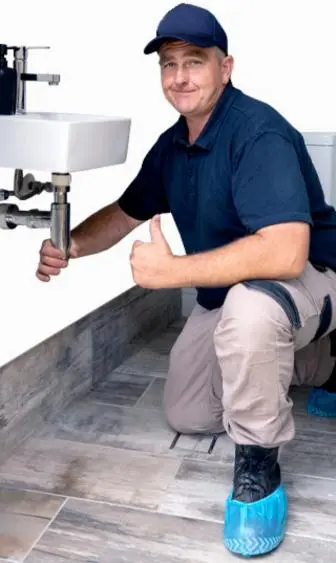
Even under urgent conditions, we take steps to protect your property during the work. We use drop sheets or protective covers in the immediate work area to protect floors and surfaces, and wear boot covers or remove footwear when entering finished living spaces (or when requested at the door). If the work involves cutting into walls, removing fixtures, or accessing concealed pipework, we isolate the work area where practical to contain dust and debris.
We take reasonable care around finished surfaces, stone benchtops, tiled bathrooms, polished timber floors, and confirm access permissions before starting. If the work requires moving furniture or stored items to reach the fault, we ask first and handle items carefully. At the end of the job, we clean up the immediate work area, remove any debris or packaging generated during the repair, and leave the site tidy. For larger jobs involving excavation or significant access work, clean-up is more extensive and confirmed as part of the scope before work begins.
If emergency work reveals cosmetic damage that pre-dates our arrival (like water staining from a slow leak, or mould growth behind a wall), we document it with photos where helpful and explain what we've found. That documentation can be useful for insurance claims or follow-up remediation work, and it ensures there's a clear record of the property condition before and after our work.
What Happens If the Fault Can't Be Fully Fixed After Hours
Some emergency situations can't be completely resolved on the first after-hours visit, usually because the repair requires parts that aren't available until business hours, specialist equipment (like excavation machinery or drain relining gear), or access that depends on coordinating with strata, tenants, or council approvals.
When that happens, the immediate priority is making the situation safe and limiting further damage. We isolate the affected system (turn off water or gas supply, redirect drainage where possible, contain flooding), explain what's causing the fault and why it can't be completed immediately, and outline the next steps clearly. That might involve scheduling a follow-up visit during business hours once parts arrive, coordinating access with a property manager or strata committee, or waiting for council approval if the work affects shared infrastructure or requires excavation near council assets.
We provide a temporary solution where practical, like capping a broken pipe, installing a temporary bypass, or providing interim hot water advice if a system has failed, and confirm the follow-up booking before leaving. You're kept informed about timing, what's required to complete the work, and what the fixed price will be once the full scope is clear. Nothing additional proceeds without your approval, and the job isn't considered complete until function is fully restored and tested.
Emergency Plumbing for Strata, Rentals, and Commercial Properties
Emergency plumbing support in strata, rental, and commercial properties often involves additional coordination around access, responsibility boundaries, and documentation requirements. We're set up to handle those situations and work within the constraints that apply.
For strata properties, the key question is usually whether the fault is within the individual lot (owner or occupier responsibility) or on common property (body corporate responsibility). If it's unclear on arrival, we assess the fault location, explain where the responsibility boundary sits based on the strata plan and Queensland strata legislation, and guide you through the approval and payment process. For faults on common property, we can liaise with the strata manager or committee, provide written scope and quotes, and schedule the work once approval is confirmed.
For rental properties, we coordinate access with tenants and property managers, provide documentation suitable for landlord records and maintenance logs, and ensure the work is completed with minimal disruption to occupants. If the fault involves a safety risk (gas leak, active flooding, sewage exposure), we prioritise making it safe first, then handle the approval and invoicing process with the managing agent or owner.
For commercial properties, we follow site induction requirements where applicable, work within the operational constraints of the business (minimising downtime, scheduling around trading hours, coordinating with other trades), and provide documentation suitable for compliance records and maintenance logs. All work is completed to the same standards as residential jobs, with appropriate testing and checking before the system is returned to service.