24/7 Emergency Plumbing in Bli Bli
Emergency plumbing support in Bli Bli covers urgent faults that risk property damage, safety hazards, or loss of essential services. Big Blue Plumbing is dispatched 24/7 across the Sunshine Coast, Noosa, and Moreton Bay regions for situations like burst pipes, sewage backups, gas leaks, total hot water failure, and flooding. If you call outside business hours, the nearest available NSW-licensed plumber is allocated from local dispatch points, and an ETA is provided when booking where possible. Arrival timing depends on current bookings and traffic conditions, but urgent jobs are sent out first.
Public Liability insurance protects you if accidental property damage occurs during the work. Workers Compensation covers workplace injuries. Both are held by Big Blue Plumbing, and all attending plumbers are appropriately licensed for the plumbing, drainage, and gas work they perform.
What Counts as an Emergency
An emergency plumbing situation is one where delaying the call increases the risk of injury, major property damage, or extended loss of use. Burst water pipes flood rooms quickly, particularly if the main shut-off isn't reachable or doesn't fully stop the flow. Gas leaks create immediate safety risks due to fire and explosion potential, and the distinctive odour is added deliberately to alert occupants. Sewage backing up into living areas is both a health hazard and a contamination risk. If hot water has failed completely in cold weather and vulnerable occupants are present, the situation escalates in urgency.
Each scenario has a different risk threshold. A dripping tap or slow drain can usually wait until business hours, while a ruptured flexi hose under a sink flooding a kitchen requires immediate action. If you're not certain how urgent it is, a brief call clarifies the risk level and whether it needs immediate dispatch or can be scheduled for the next available daytime slot.
Common Emergency Faults in Bli Bli Homes
In established residential areas across the Sunshine Coast, ruptured pipes often result from corroded sections in older galvanised or copper pipework, or sudden failure of flexi hoses that have been in place for years without replacement. Hot water systems in storage configurations tend to fail when the sacrificial anode rod corrodes through, allowing the tank itself to rust and eventually leak. Blocked drains frequently trace back to tree root intrusion in clay or terracotta lines, where fine roots enter hairline cracks and expand over time, trapping debris and restricting flow.
Gas appliances can develop leaks at connection points or within ageing pipework, particularly where joints have been disturbed during renovations or where corrosion has weakened the line. Toilet cisterns that continuously run or fail to refill often have worn internal components, and while not always an immediate emergency, they waste significant water and spike bills if left unchecked for weeks.
On the first visit, we confirm the affected area, test for active leaks or gas presence using appropriate detection tools, and assess access to the fault. That determines whether the fix can proceed immediately or requires parts, access approvals, or additional scope. If it's straightforward and parts are on hand, we aim to restore function before leaving. If the situation is more involved, we make it safe, explain what's required, and provide a fixed-price quote before any further work goes ahead.
What Happens When You Call
When you contact Big Blue Plumbing for an emergency in Bli Bli, the starting point is confirming what's happened, where the fault is, and whether there's an immediate safety risk. If gas is involved or water is actively flooding, we prioritise the job and dispatch a properly properly licensed plumber straight away. You'll receive an ETA based on the plumber's current location and booking status, and we update you if that timing shifts.
Before starting any work, the scope is verified onsite. That includes identifying the source of the fault, checking for additional damage, and confirming what's needed to restore safe operation. We explain the situation in plain English, walk through the options if there are choices to make, and provide a fixed-price quote once the scope is clear. You decide whether to proceed, and if you choose to go ahead, we complete the work and verify the outcome before leaving. If the job can't be finished in one visit due to parts availability or access constraints, we make the area safe and schedule a return as soon as practical.
Work is priced by the job, not by the hour, so there's no hourly rate ticking away while diagnosis happens. No hidden fees are added after the fact. If a call-out fee applies, it's confirmed when booking, and the terms are explained upfront. If the scope changes during the work due to unforeseen conditions, we stop, explain what's been found, and confirm revised pricing before continuing.
Making It Safe While You Wait
If you're waiting for a plumber to arrive and water or gas is actively escaping, a few immediate actions can reduce harm without requiring you to diagnose the fault yourself. For water leaks, locate the main water shut-off valve (usually near the water meter or where the supply enters the property) and turn it off if you can safely reach it. That stops further flooding while the plumber is on the way. Move vulnerable items away from the water if it's safe to do so, and avoid using electrical outlets or switches near active water.
For gas, if you smell the distinctive rotten-egg odour, do not use electrical switches, lighters, or anything that creates a spark. Open windows and doors to ventilate the space, and turn off the gas supply at the meter if you know where it is and can reach it safely. Evacuate if the smell is strong or spreading quickly, and call both the plumber and the gas emergency line.
These are safety-first actions only, not a substitute for professional assessment. Do not attempt to locate the exact source of a gas leakage, and do not try to repair burst pipes yourself, as temporary fixes can fail under pressure and create secondary damage.
How Costs Are Determined
The cost of emergency plumbing depends on the scope of work once the fault is assessed onsite. A straightforward repair with standard parts and good access is priced lower than a job requiring excavation, multiple components, or work in confined spaces. After-hours callouts (evenings, weekends, public holidays) typically carry higher rates than daytime work due to availability and scheduling constraints, but the pricing model remains fixed per job rather than hourly.
If you're calling outside business hours, confirm the call-out fee status when booking. Once the plumber arrives and confirms what's involved, you receive a fixed price quote that includes labour, materials, and any testing or verification required to sign off the work. That quote is provided before any repair work starts, so you can decide whether to proceed or explore alternative options.
The fixed-price model means the job doesn't cost more if diagnosis takes longer than expected or if minor complications arise within the agreed scope. If a major change is discovered (for example, the pipe damage extends further than initially visible), we pause, explain the revised scope, and provide updated pricing before continuing. You're not committed to additional work until you've confirmed it.
Licensing, Compliance, and Accountability
All plumbing, drainage, and gas work in Queensland must be carried out by appropriately licensed tradespeople. Big Blue Plumbing holds the required licences for the work performed, and each attending plumber is qualified for the tasks they complete. For gas work, compliance certificates are issued upon completion to verify the installation or repair meets safety standards, as required by AS/NZS 5601.1.
Workmanship is covered by our stated workmanship warranty. If a workmanship issue shows up after we've completed the job, we address it under that warranty. Manufacturer warranties apply separately to products installed (such as hot water units, tapware, or replacement parts), and those terms are explained when relevant. The warranty doesn't cover damage caused by misuse, subsequent alterations by others, or wear and tear over time, but it does provide accountability for the quality of work performed.
Compliance with Australian Standards applies across installations, and where building or water authority approvals are required for specific work types (such as new gas connections or major drainage alterations), those are flagged during scope confirmation. Documentation suitable for insurance claims, property managers, or strata records is provided on request.
After-Hours and Weekend Availability
Big Blue Plumbing operates 24/7 for emergency plumbing across Bli Bli and the broader Sunshine Coast region. If a pipe bursts at 2 a.m. or a hot water supply unit fails on a Sunday morning, a properly properly licensed plumber is dispatched once the booking is confirmed. After-hours availability means urgent situations don't have to wait until Monday, but it also means the person attending may be coming from an earlier callout or balancing multiple emergency jobs across the region.
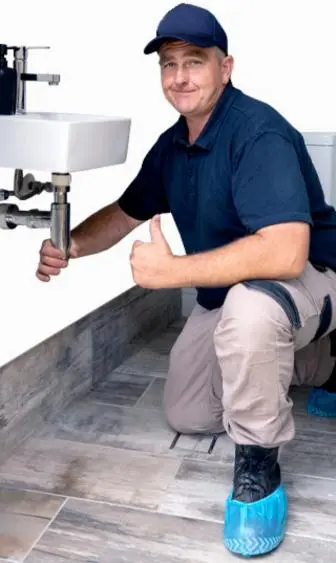
ETA communication is provided where possible, and if timing shifts due to an earlier job running over or road conditions, we update you. The plumber arrives in uniform with identification, explains what they're checking first, and confirms the scope before starting. Respect for occupied homes applies regardless of the hour: drop sheets or protective covers are used where practical, the work area is kept as tidy as conditions allow, and noise is minimised when residents are trying to sleep.
Not every fault can be permanently resolved during an after-hours visit. If parts aren't available or the work requires daylight and better access, we make the situation safe (isolating the leak, capping the line, shutting off gas supply), explain what the permanent fix involves, and schedule a follow-up as soon as practical. You're left with a stable situation rather than an ongoing emergency, and the remaining work proceeds under normal pricing once the temporary measures are in place.
Professional Standards in Your Home
When a plumber enters your home during an emergency, they're arriving at a stressful moment. Big Blue Plumbing plumbers wear uniforms and can identify themselves on arrival, providing reassurance around who's at your door. Staff undergo police checks and background checks as part of our vetting process, and we can accommodate safety-sensitive requests if you have concerns around who enters your property.
Work areas are isolated where practical to reduce mess, and protective coverings are used on floors and surfaces near the fault. Tools and equipment are kept contained, and at the end of the job, we clean up the immediate work area and remove any debris generated during the repair. If the job creates unavoidable mess (such as excavation or ceiling access), we explain that upfront during scope confirmation so expectations are clear.
Communication happens throughout. We explain what we're checking, what we've found, and what the next stage is before starting the repair. If photos help explain the issue (such as showing corroded pipework or root intrusion in a drain), we can provide those. The aim is to leave you informed, with a working system and confidence in what was done to restore it.
Choosing Between Temporary and Permanent Fixes
In some emergency situations, a temporary repair gets you through the immediate crisis, while a permanent fix requires more time, parts, or access. If a pipe has burst and flooded a room, the immediate goal is to stop the water, isolate the damaged section, and confirm the rest of the system is secure. That might involve capping the line or installing a temporary bypass while a replacement section is sourced.
We explain the difference between temporary and permanent solutions during the initial assessment. A temporary fix addresses the safety or damage risk but may not be the long-term answer. The permanent repair restores full function and durability, and it's quoted separately if it can't be completed during the emergency visit. You decide which approach suits your situation and budget, and if a temporary fix is the immediate choice, we schedule the permanent work at a time that suits.
For blocked drains, high-pressure water jetting typically clears the obstruction and restores flow, but if the blockage is caused by structural damage or heavy root intrusion, pipe lining or replacement may be needed to prevent recurrence. We clear the drain first to address the immediate problem, then explain the longer-term options based on what the camera inspection shows.