24/7 Emergency Plumber Tewantin
Big Blue Plumbing handles emergency plumbing in Tewantin and across the Noosa region with 24/7 availability and immediate dispatch for urgent jobs. It covers broken pipes, water heater failures, gas leakages, and severe drainage blockages where delay increases risk of property damage or safety hazards; if the job requires parts, access coordination, or specialist equipment not carried on the truck, the scope and timing are clarified once the assessment is complete. Tewantin sits within our Sunshine Coast, Noosa, and Moreton Bay service coverage, and urgent work is allocated to the nearest available correctly licensed technician from local dispatch points.
Emergency plumbing work in riverside suburbs like Tewantin often involves a mix of property types, from older Queenslander homes with original galvanised or copper pipework to modern builds on steeper blocks near the Noosa River and surrounding bushland areas. Access can vary depending on property layout, parking availability near the Noosa Marina precinct, and whether the fault is internal or external. When you call, we confirm the nature of the issue, provide an ETA where possible based on current job load and travel conditions, and dispatch a licensed and insured plumber equipped for common urgent repairs.
The approach for emergency work is to assess the fault, isolate the immediate risk where practical (stopping active leaks or making gas systems safe), explain what's happened and what needs to happen next, then provide a fixed price quote before starting the repair work. Once scope is agreed, the repair proceeds, and outcomes are verified before leaving. You're covered by our workmanship warranty, which applies to the labour performed. If the assessment shows the issue extends beyond what can be fixed on the spot, or requires parts we don't carry, the options are explained and next steps confirmed.
Emergency Plumbing Services We Handle in Tewantin
Emergency plumbing call-outs in Tewantin covers urgent faults where continued water flow, gas supply, or lack of access to plumbing creates immediate risk or significant disruption. It includes broken pipes (internal or external), hot water unit breakdowns, severe drainage blockages causing backflow or flooding, gas leaks, and corroded pipe failures; if the fault requires excavation, relining, or replacement of major fixtures, the full scope is confirmed onsite and quoted once the immediate risk is controlled. Not all plumbing faults are emergencies, but if water is actively leaking, gas is detectable, or the property is at risk of damage, it's worth calling for an urgent assessment.
Burst pipes and active water leaks are treated as high priority because water damage escalates quickly. Burst flexi hoses under sinks or behind toilets, split copper pipes in walls or ceilings, and corroded sections in older galvanised steel systems can all release significant volumes of water in a short time. The first step is isolating the water supply to the problem area or the whole property if needed, then locating the failure point and assessing whether it can be repaired or needs replacement. If it's a straightforward pipe section, we carry common fittings and can often resolve it on the same visit.
Hot water system failures become urgent when there's no hot water for an extended period, or when there's visible water pooling around the unit, rust-coloured discharge, or unusual hissing or banging sounds. Electric storage systems can fail due to element burnout or thermostat faults, while gas continuous flow units may have ignition or burner issues. Solar and heat pump systems add complexity and sometimes require parts. The assessment involves checking the system type, age, and whether it's repairable or has reached end-of-life. If replacement is the better option, we explain the choices and provide upfront pricing.
Severe drainage blockages that cause toilet backflow, water pooling in showers or laundry areas, or sewage odour are treated as urgent. Tree roots, collapsed sections, or heavy grease and debris buildup in older clay or PVC lines are common causes across Noosa properties. High-pressure water jetting is the usual clearing method for accessible blockages, but if CCTV check shows structural damage or root intrusion has compromised the pipe, relining or excavation may be required and is scoped separately.
Gas leaks and gas appliance faults are always urgent. If you can smell gas (the distinctive sulphur-like odour), hear hissing near appliances or pipes, or notice pilot lights that won't stay lit, the gas supply should be turned off at the meter and a correctly licensed gas fitter called immediately. We're licensed for gas work and carry leak detection equipment. Assessment involves pressure testing, locating the leak source, and making the system gas-tight before re-commissioning. Where appliances are faulty or installations don't meet current standards, the required work is explained and quoted.
How Emergency Dispatch Works
When you call for emergency plumbing in Tewantin, the process starts with confirming what's happening, where the fault is located, and whether it's creating immediate risk or damage. Urgent jobs are dispatched first, and the nearest available licensed field technician is allocated based on location and current workload across the Sunshine Coast, Noosa, and Moreton Bay coverage area. An ETA is provided where possible, though timing depends on traffic, current bookings, and whether the job is after-hours or during peak periods.
On arrival, the plumber identifies themselves, confirms access to the affected area, and begins the assessment. That usually involves isolating water or gas if it's still active, locating the fault, and checking surrounding areas for secondary damage or related issues. The findings are explained in plain English, including what caused the fault, what needs to happen to fix it, and what options exist if there are choices to make (repair vs replace, temporary vs permanent fix).
For straightforward emergency repairs where the fault is clear and parts are on hand, a fixed price is provided and the work proceeds once you've agreed to the scope and cost. The repair is completed, tested, and verified before the plumber leaves. If the fault requires parts we don't carry, specialist equipment like CCTV or pipe locators, or excavation and relining, the immediate safety issue is addressed first (isolating supply, temporary sealing, or making the system safe), then the full scope is explained and quoted for follow-up work.
Emergency callouts are priced by the job, not by the hour, even outside standard business hours. That means the fixed price reflects the work required to resolve the fault, based on the confirmed scope. If assessment reveals a larger problem than initially described, the updated scope and revised price are confirmed before additional work starts. You're not locked into proceeding if the cost or timing doesn't suit, and we explain what temporary measures are in place if you choose to defer the full repair.
Fixed Pricing for Emergency Plumbing
Emergency plumbing is priced by the job, not by the hour, which means the fixed price reflects the work required to resolve the fault once scope is defined. It covers common urgent repairs like pipe section replacement, hot water element or thermostat replacement, high-pressure drain cleaning, and gas leak isolation and repair where the fault is accessible and parts are standard; if the assessment shows excavation, relining, system replacement, or specialist diagnostics are needed, those are scoped and quoted separately before proceeding. The fixed pricing model applies even outside standard business hours, so after-hours and weekend emergency work doesn't get inflated by hourly rate structures.
What changes the price is the scope of work: how many fittings or sections need replacing, whether the fault is accessible or requires wall or ground access, what parts are needed, and how long the repair takes on site. A simple under-sink flexi hose replacement costs less than a section of burst copper pipe in a ceiling cavity that requires cutting access and making good afterwards. Gas work that involves pressure testing and re-commissioning costs more than a straightforward tap washer replacement. The fixed quote reflects that complexity.
For emergency callouts, a call-out fee may apply depending on the time and nature of the booking. If the work proceeds, the call-out cost is typically absorbed into the total job price. If you choose not to proceed after the assessment, the call-out fee covers the time and travel for the visit. It's worth confirming call-out fee arrangements when booking so there are no surprises. Once scope is agreed and the fixed price is provided, there are no hidden fees or hourly rate additions. The price you agree to is the price you pay.
For larger emergency repairs that involve significant cost, a 0% interest payment plan is available through Brighte, with approval typically completed in 5-7 minutes. That option can reduce the stress of an unexpected bill and lets you spread the cost over manageable instalments. If you're a senior cardholder, a senior discount is available when you present your card at booking or on arrival. The aim is to make emergency work affordable and transparent, with no pressure to proceed until you understand what's involved and what it costs.
Licensed, Insured, and Background-Checked Technicians
All attending plumbers are appropriately licensed for the plumbing, drainage, and gas work they perform, which means they hold the qualifications required under Queensland regulations to legally and safely carry out the repair. Licensing ensures the person working on your property has met the training and assessment standards for the work they're doing, and that the installation or repair complies with Australian Standards and the National Construction Code. For gas work, a separate gas fitting licence is required, and our gas fitters hold that qualification.
Public Liability insurance provides protection if accidental property damage occurs during the work, such as an unintended water leak from disturbed pipework or damage to finishes during access. Workers Compensation insurance relates to workplace injuries and protects you from liability if a technician is injured on your property while performing the work. Both insurances are in place, and you can request confirmation if required for strata, property management, or your own records.
Our technicians undergo police checks and background screening before attending customer properties. That vetting process is particularly important for emergency work, where access is often needed quickly and with less notice than a booked appointment. Plumbers arrive in uniform, can identify themselves on arrival, and follow entry instructions carefully, especially in security-sensitive properties or where specific access protocols apply (strata buildings, gated estates, or homes with vulnerable occupants).
The workmanship warranty covers the labour performed during the repair. If a workmanship issue shows up after the job is complete, it's addressed under that warranty at no additional cost. The warranty does not cover manufacturer defects in parts or damage caused by factors outside the repair itself (such as subsequent ground movement affecting a repaired pipe), but it does ensure accountability for the quality of the repair or installation work. If a problem reappears and it's related to how the work was carried out, we come back and make it right.
Why Speed Matters for Plumbing Emergencies
Delaying action on plumbing emergencies increases the risk of property damage, safety hazards, and higher repair costs. A small water leak in a ceiling cavity or wall can saturate insulation, weaken plasterboard, damage electrical wiring, and create conditions for mould growth within 24-48 hours. A burst pipe that's left running can release hundreds of litres of water per hour, flooding rooms, damaging flooring and belongings, and affecting structural timber if not isolated quickly. The cost of repairing secondary water damage often exceeds the cost of the original plumbing repair by a significant margin.
Gas leaks are an immediate safety priority. Natural gas and LPG are both flammable, and a gas buildup in an enclosed space creates explosion and fire risk. If you can smell gas, hear hissing, or suspect a leak, turn off the gas supply at the meter or bottle, ventilate the area, avoid ignition sources (light switches, appliances, open flames), and call a licensed gas fitter immediately. Do not attempt to locate or repair the leak yourself. Gas work is regulated for a reason, and the risk of incorrect repair is serious.
Hot water system failures don't always present immediate risk, but when they involve active water leaks, rust discharge, or hissing and pressure buildup sounds, they need urgent attention. A failing pressure relief valve or corroded tank can lead to sudden water release or, in rare cases, tank rupture. If water is pooling around the unit, the system should be isolated and assessed as soon as practical. Even when there's no leak, extended loss of hot water affects daily routines, and rebooking after hours can delay resolution by days.
Severe drainage blockages that cause sewage backflow into toilets, showers, or laundry areas create health risks and property damage. Raw sewage contains bacteria and pathogens, and exposure to contaminated water requires thorough cleaning and disinfection. If a blockage is causing backflow, stop using water in affected areas and call for an urgent drain assessment. Continued use will worsen the backflow and spread contamination further through the property.
What to Expect When We Arrive
When the plumber arrives for an emergency callout in Tewantin, they'll identify themselves, confirm the nature of the fault, and ask for access to the problem area. If it's an active leak or gas issue, the first priority is isolating supply and making the situation safe. For water leaks, that may involve turning off a local isolation valve, the property's main water supply, or identifying which section of pipework is affected. For gas faults, it involves confirming the gas is off and checking for residual gas in the problem area.
The assessment involves locating the fault, checking for related damage or secondary issues, and determining what's needed to fix it. The plumber explains what's happened in plain English, what caused it (where that's identifiable), and what options exist to resolve it. If it's a straightforward repair with parts on hand, the fixed price is provided and the work proceeds once you've agreed. If parts aren't available or the fault needs further investigation (camera inspection for drains, leak detection equipment for hidden leaks), the immediate issue is made safe and the follow-up work is scoped and quoted separately.
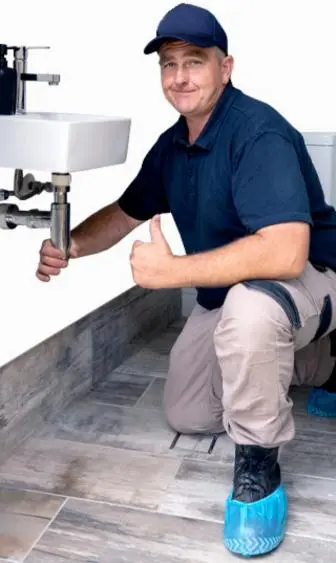
During the repair, drop sheets or protective coverings are used to protect floors and work surfaces. Boot covers or clean footwear are standard in occupied homes. The work area is isolated where practical to keep mess contained, and care is taken around finished surfaces like tiled bathrooms, stone benchtops, or timber floors. If cutting access is required (opening a ceiling panel or removing a section of gyprock), the extent is confirmed before starting, and making good afterwards is included in the scope where it's part of the repair.
Once the repair is complete, the system is tested and verified. For water leaks, that means turning supply back on and checking the repaired section holds pressure without leaking. For gas work, it involves pressure testing to confirm the system is gas-tight before re-commissioning appliances. For drainage, it's checking flow and function, and confirming the blockage is cleared. If the repair involves visible components (pipes, fittings, fixtures), you're shown what was replaced and how it functions. The work area is cleaned up, rubbish and old parts are removed, and a receipt or invoice is provided for your records.
Frequently Asked Questions
What counts as an emergency plumbing situation?
An emergency is any plumbing fault where continued water flow, gas supply, or lack of function creates immediate risk of property damage, safety hazards, or significant disruption. That includes burst pipes, active water leaks, gas leaks, hot water service unit failures with water pooling or discharge, and severe drainage blockages causing backflow. If you're not sure whether it is urgent, a quick call can clarify whether it needs immediate dispatch or can be scheduled as a standard booking.
How quickly can you get to Tewantin for an emergency?
Urgent jobs are dispatched first, and the nearest available licensed technician is allocated from our Sunshine Coast, Noosa, and Moreton Bay coverage area. An ETA is provided when you book, though timing depends on current workload, traffic, and whether it's after-hours or during peak periods. If the plumber is already on a job nearby, arrival can be within the hour. If it's late night or there are multiple urgent callouts, it may take longer, and we'll keep you updated on expected arrival time.
Do you charge more for after-hours or weekend emergencies?
Emergency work is priced by the job, not by the hour, which means the fixed price reflects the scope of the repair rather than when it's performed. After-hours and weekend callouts don't attract hourly rate premiums, though a call-out fee may apply depending on timing and job type. Once scope is confirmed onsite, the fixed price covers the repair work, and there are no additional charges for time of day. It's worth confirming call-out fee arrangements when booking so expectations are clear from the start.
What should I do while waiting for the plumber to arrive?
For water leaks, isolate supply to the affected area if you can do so safely using an accessible isolation valve, or turn off the main water supply if the leak is severe. Move belongings away from the leak area and place towels or buckets to catch water where practical. For gas leaks, turn off the gas supply at the meter or bottle, ventilate the area, and avoid ignition sources like light switches or appliances. Do not attempt to locate or repair the fault yourself. For drainage backflow, stop using water in affected areas to prevent further contamination. If you're unsure what to do, call and we can provide brief safety-first guidance while the plumber is on the way.
Can you fix the problem on the same visit?
Many emergency repairs are resolved on the first visit when the fault is straightforward and parts are standard. Burst pipe sections, leaking flexi hoses, hot water element or thermostat replacements, and high-pressure drain unblocking are often completed on the spot. If the fault requires parts we don't carry, CCTV check, excavation, or specialist equipment, the immediate risk is made safe and the full repair is scoped and scheduled for follow-up. The aim is always to restore function as quickly as practical, but some situations need a staged approach to get the repair done properly.
Do I need to stay home for the whole repair?
For emergency work, access is usually required throughout the job because the plumber needs to test the system, confirm outcomes, and ensure the repair holds before leaving. If you need to leave during the work, that can often be arranged depending on property access and payment handling, but it's worth confirming at the start. For follow-up work scheduled after the initial emergency visit, we can coordinate entry time windows and timing that suit your availability.
What if the problem is worse than it first looked?
If the assessment reveals a larger issue than initially described, the updated scope and revised fixed price are explained before any additional work proceeds. You're not obligated to proceed with the expanded work if the cost or timing doesn't suit. The immediate safety issue is addressed first (isolating supply or making the system safe), and the full repair can be scheduled separately once you've had time to consider options. Transparency around scope and cost is standard practice, and you decide what happens next once the full picture is clear.
Are your plumbers licensed for both plumbing and gas work?
All attending plumbers are appropriately licensed for the plumbing and drainage work they perform. Gas work requires a separate gas fitting licence, and our gas fitters hold that qualification. If the emergency involves both plumbing and gas components (such as a gas hot water system failure), the attending technician is licensed for the work they're carrying out. Licensing details can be confirmed on arrival or when booking if required for compliance or insurance purposes.
What payment options are available for emergency work?
Payment is due on completion of the work. We accept standard payment methods including card, bank transfer, and cash. For larger emergency repairs, a 0% interest payment plan is available through Brighte, with approval typically completed in 5-7 minutes. That option spreads the cost over manageable instalments without interest charges. Senior cardholders are eligible for a discount when a valid senior card is presented at booking or on arrival. A receipt or invoice is provided for your records, suitable for insurance claims, strata documentation, or property management files.
Do you work in both residential and commercial properties in Tewantin?
We handle emergency plumbing in residential homes, strata properties, and commercial sites across Tewantin and the broader Noosa region. Commercial work may involve different access requirements, site inductions, or documentation needs, and we can follow those protocols where required. For strata properties, we can coordinate with building managers or committees and provide job documentation suitable for maintenance logs and compliance records. The approach is the same regardless of property type: assess the fault, explain the scope, provide fixed pricing, and complete the repair to meet Australian Standards.