24/7 Emergency Plumber Kin Kin
Big Blue Plumbing handles emergency plumbing in Kin Kin, dispatching licensed plumbers from bases across the Sunshine Coast, Noosa, and Moreton Bay regions when urgent faults occur. We're available 24/7, so you can call at any hour for broken pipes, severe leaks, gas faults, or complete drainage failures. Urgent work is prioritised, the nearest available technician is allocated, and we provide an ETA when you book. It covers immediate containment and repair for accessible faults; if the first assessment reveals hidden damage or a secondary issue, we explain what's involved and confirm the updated scope before proceeding.
Plumbing emergencies escalate quickly. A burst flexi hose under a kitchen sink can flood a room in minutes. A gas leak is a safety risk the moment it's detected. A blocked sewer line backing up into the home creates hygiene concerns and potential property damage.
When something fails in the middle of the night or during a weekend, it's often not clear how serious it is until a properly licensed plumber isolates the fault and checks the affected area. That's where our 40+ years of combined plumbing experience comes in. We've handled thousands of urgent callouts across properties in rural Noosa, from older homes on acreage to newer builds closer to town, so the team is familiar with how access constraints, septic systems, and pressure variations affect the repair approach.
We arrive in uniform, confirm identity at the door, and explain what we're doing before starting. The aim is to make it safe, stop further damage, and restore function where parts and access allow. If immediate resolution isn't possible onsite, because a specialist part is needed or structural work is required, we'll secure the area, explain next steps, and schedule the completion once materials arrive.
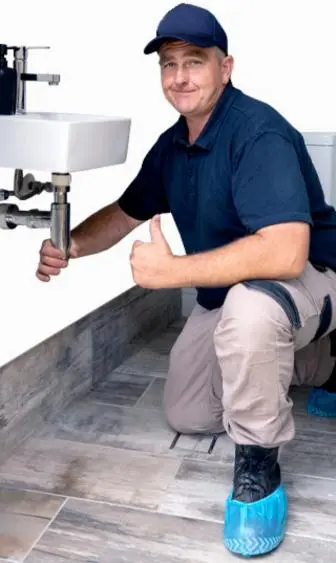
Our pricing is by the job, not by the hour, so once scope is confirmed onsite, you get a fixed price before work starts. There are no hidden costs. We keep the work area tidy using drop sheets, wear boot covers when requested, and remove all rubbish generated by the repair before leaving. For urgent work outside standard hours, call us and we'll confirm arrival timing and get someone on the way.
What Counts as a Plumbing Emergency
A plumbing emergency is any fault that poses an immediate risk to safety, property, or essential function. It includes active leaks causing water damage, complete drainage blockages affecting toilets or sewer lines, gas leaks or gas odours, broken pipes flooding a room, and total water heater failures in winter when vulnerable occupants are present.
If water is pooling inside the home, if you can smell gas, or if a toilet won't flush and wastewater is backing up, these are situations where waiting until business hours increases the risk. For less urgent issues, like a dripping tap, a slowly draining sink, or a toilet that's running but still functional, you can usually book a standard appointment without the urgency premium.
On the call, we'll ask a few quick questions to understand what's happening and triage the priority. Urgent jobs are sent out first. If it's something that can safely wait a few hours or until morning, we'll let you know and offer a booking window that suits. If you're not sure whether it's urgent, a brief call clarifies next steps.
Burst Pipes and Active Leaks
When a pipe bursts, often due to pressure surge, corrosion in older copper or galvanised lines, or a failed fitting, the priority is isolating the water supply to stop flooding. In rural properties around Kin Kin, mains isolation points can sometimes be further from the house or harder to access than in suburban settings, so knowing where your main shutoff is located saves time.
Once the water is off, we locate the fault, assess whether it's a joint, a split in the pipe wall, or a burst flexi connector, and carry out the repair or replacement. If the affected section is behind a wall or under a slab, we use electronic leak detection to pinpoint it without unnecessary demolition. The fix is tested under pressure before the system is returned to service, and we verify there are no secondary leaks downstream.
Gas Leaks and Gas Odours
Gas leaks are treated as immediate safety priorities. If you smell gas, a distinctive rotten-egg odour caused by the added mercaptan, or if a gas appliance is hissing or showing soot buildup, don't attempt to locate the leak yourself. Turn off the gas at the meter if it's safe to do so, ventilate the area by opening windows and doors, avoid using electrical switches or creating sparks, and call us from outside the building.
We'll dispatch a properly licensed gas fitter who carries a combustible gas detector to identify the leak location, then isolate and repair the affected line or fitting. All gas work in Queensland must be completed by a licensed and adequately insured gas fitter and pressure-tested to meet Australian Standards (AS/NZS 5601.1) before being recommissioned. Once the repair is complete and the system passes testing, we provide a compliance certificate where required.
Blocked Drains and Sewer Backups
A blocked drain becomes an emergency when wastewater is backing up into the home, through floor drains, toilets, or shower grates, or when the main sewer line is completely obstructed and the property can't safely use plumbing fixtures. In rural areas, tree roots are a common cause, especially in older terracotta or clay pipes where fine roots enter cracks and expand over time, trapping debris and restricting flow.
We use high-pressure water jetting to clear the obstruction, typically working at 3,000 to 5,000 PSI to scour the pipe walls and break through root masses or grease buildup. If a CCTV inspection shows structural damage, collapsed sections, or offset joints, we'll explain the findings and outline options, which might include spot repairs, pipe relining, or excavation and replacement where access allows. The scope and quote are confirmed before any additional work goes ahead.
Hot Water System Failures
Complete loss of hot water is typically urgent in winter, especially if elderly occupants, young children, or people with medical needs are present. Hot water systems fail for various reasons: a tripped safety switch on an electric unit, a pilot light extinguished on a gas unit, a burst relief valve, or internal tank corrosion causing leaks.
At the first visit, we check power supply, gas supply, and pressure relief operation, then inspect the tank and fittings for visible leaks or rust. If the system is beyond economical repair, common with storage tanks over 10-12 years old showing internal corrosion, we'll explain replacement options (electric, gas, heat pump, instantaneous) and provide a fixed-price quote once the preferred type is confirmed. All installations comply with AS/NZS 3500 and include mandatory safety devices like tempering valves (to limit tap temperature to 50°C) and pressure relief valves.
How We Respond to Emergency Calls
When you call us with an emergency, the first question is always about safety and severity. Is water actively flooding? Can you smell gas? Is the sewer backing up into living areas? Urgent situations are prioritised, and we allocate the nearest available licensed and properly insured plumber from our dispatch points across the Sunshine Coast, Noosa, and Moreton Bay service area.
We provide an ETA when you book, though arrival timing depends on current job load, distance from the nearest base, and traffic conditions at the time. For properties in Kin Kin or the rural Noosa hinterland, access can take a little longer than for coastal suburbs, so we confirm realistic timing upfront rather than over-promising. If there's a delay, we'll update you.
Our plumbers arrive in uniform and carrying ID, confirm identity at the door, and ask to see the affected area. We explain what we're checking, confirm access to isolation points (water mains, gas meter, switchboard if relevant), and run through what's involved before starting. Once the fault is identified, we provide a fixed price quote for the repair. You decide whether to proceed based on that confirmed price.
For emergency work, a call-out fee usually applies, which is explained when you book. If you proceed with the quoted repair, that call-out fee is typically absorbed into the job price. Confirm this when booking so there are no surprises.
Why Timing Matters in a Plumbing Emergency
Delaying action on an active leak, gas fault, or sewer backup increases the damage and the repair cost. Water seeping into floors, walls, or subfloors promotes mould growth, weakens structural timbers, and damages electrical wiring. A small leak ignored overnight can saturate insulation, ceiling plaster, or cabinetry, turning a straightforward pipe repair into a multi-trade restoration project.
Gas leaks are a safety issue from the moment they occur. Even a small leak can accumulate in an enclosed space and create an ignition risk. There's also the carbon monoxide risk with incomplete combustion from faulty gas appliances.
Sewer backups expose occupants to harmful bacteria and create hygiene risks. The longer wastewater sits in the home, the greater the contamination and odour penetration into porous surfaces. Fast containment limits the affected area and reduces the clean-up scope.
That's why we recommend calling as soon as you notice something wrong. A quick response reduces damage, protects your property, and often results in a smaller repair bill than if the fault is left to worsen.
What to Do While You Wait for the Plumber
If safe to do so, turn off the water supply at the mains to stop an active leak. For gas odours, turn off the gas at the meter, ventilate the area, and move everyone outside. Don't use electrical switches, lighters, or anything that could create a spark.
For a blocked toilet or drain backing up, stop using all plumbing fixtures connected to that line. Using other taps or flushing other toilets can push more wastewater into the affected area and worsen the overflow.
If water is flooding a room, move furniture, electronics, and valuables away from the affected area if it's safe to do so. Place towels or buckets to contain water spread while waiting for the plumber to arrive.
We don't recommend attempting DIY repairs on emergency faults. Incorrectly capping a burst pipe can result in further leaks, and working on gas lines without a licence is illegal and dangerous. The best action is to make the situation safe, isolate the service if you can, and wait for a licensed professional to assess and repair it properly.