What Big Blue Plumbing Handles as Emergency Work in Wights Mountain
Emergency plumbing in Wights Mountain covers urgent faults where water, gas, or sewage creates immediate risk to safety or property. Big Blue Plumbing dispatches licensed plumbers across the Moreton Bay region 24/7, working from local service points so the nearest available technician can be sent out when a booking comes through. Immediate dispatch means urgent jobs are prioritised and allocated first, with an ETA provided when you book (timing depends on current bookings and travel conditions). We're adequately insured, which protects you if accidental property damage occurs during the work, and all attending plumbers hold the relevant licencing for the plumbing, drainage, and gas work they perform.
Emergency callouts typically involve ruptured pipes flooding a home, active gas leakages requiring isolation, sewer backups affecting bathroom or laundry access, or a complete loss of water supply traced to a primary line fault. A clogged drain becomes urgent when wastewater is pooling inside or rising through floor grates. These situations justify immediate dispatch because the longer they run, the more damage accumulates or the higher the safety risk becomes.
Not every fault needs a same-day response. A dripping tap, a toilet that refills slowly, or a water heater losing temperature can often be scheduled within a day or two without worsening. When you call, explain what's happening and whether it's affecting your ability to use the property safely. That clarity helps allocate the right technician and equipment, and sets realistic arrival expectations based on where the team is currently working across Moreton Bay.
How Emergency Plumbing Dispatch Works Across Moreton Bay
When an emergency booking is confirmed, the job goes to the plumber operating closest to Wights Mountain at that moment, whether they're finishing another job nearby or returning from an earlier callout across the Sunshine Coast or Noosa region. South East Queensland coverage means response logistics shift throughout the day depending on traffic, weather, and how many urgent jobs are already in progress.
An ETA is provided when you book. If conditions change, you'll receive an update. That communication reduces the uncertainty around arrival, which matters when you're waiting for a plumber while a pipe is leaking or a sewer line is blocked.
If access is restricted (e.g., a locked gate, strata requirements, or parking constraints common in hillier sections), mention it when booking so the plumber knows what to expect on arrival. A technician will confirm identity at the door before entering. Police checks and background screening are completed for all technicians, and respectful conduct in occupied homes is standard practice.
Scope Confirmation and Fixed Pricing Before Work Starts
Emergency work begins with an site assessment. The plumber identifies the fault, confirms what needs to be done to make it safe or restore function, then provides a flat-rate quote before starting. You're paying for the job, not the hour, so there's no risk of the price climbing as time passes. The fixed quote covers the work described; if the inspection reveals additional issues (e.g., damaged pipework behind a burst section, or a blockage caused by structural root damage), those options are explained and quoted separately once the scope is confirmed on site.
Many emergency situations allow for first-visit resolution when the fault is accessible and parts are available. A standard burst flexi hose under a vanity can usually be isolated, replaced, and tested within the same visit. Root-affected drainage or corroded sections requiring excavation may need a return visit once approvals and scheduling are confirmed, but the plumber will isolate and make safe before leaving.
No hidden fees. If a call-out charge applies, it's confirmed when you book (policies can vary by suburb and time of day, so ask at the time of booking to avoid surprises). The final invoice reflects the agreed scope and any parts used, with documentation suitable for insurance claims or strata records where required.
What an Emergency Plumber Actually Does on Arrival
The first step is isolating the immediate problem so it stops getting worse. For a burst pipe, that means shutting off water supply to the affected section. For a gas leak, it's turning off gas at the meter and checking for safe dispersal before any repair work begins. A blocked toilet causing overflow gets plunged or augured to clear the restriction, then checked to confirm flow is restored and the trap is functioning correctly.
Once the situation is stable, the plumber assesses what caused it. A broken pipe might have failed due to corrosion, pressure spike, or freeze damage (less common in Queensland but possible in elevated areas during rare cold snaps). A blocked drain could be grease buildup, foreign objects, or tree roots entering through cracks in ageing terracotta. Knowing the cause affects whether the fix is temporary or permanent, and what's recommended to prevent recurrence.
Diagnostics can include camera inspection for drainage blockages, pressure testing after a repair, or thermal imaging to trace hidden leaks behind walls or under concrete slabs. These tools change what can be done onsite versus what requires follow-up work, and that gets explained in plain terms so you can decide how to proceed once the scope and cost are clear.
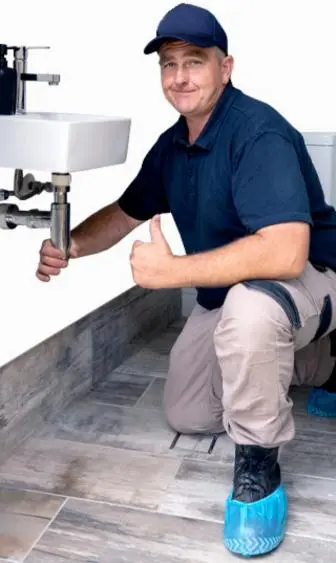
The work area is protected with drop sheets, and boot covers are worn where requested or when floor finishes require it. Technicians explain what they're doing as they go, which reduces anxiety when a stranger is working inside your home under stressful conditions. The final step is verifying the outcome: water flow is checked, gas fittings are tested for leaks, drains are flushed to confirm clearance. You're walked through what was done, what to watch for, and when a follow-up is recommended if the repair was temporary.
Common Emergency Plumbing Faults in Wights Mountain and Moreton Bay Properties
Burst pipes typically occur at joins, flexi hose connections under sinks and toilets, or corroded sections in older galvanised or copper lines. Flexi hoses have a finite lifespan and can fail suddenly when the braided outer layer deteriorates. In properties built before the 1990s, galvanised steel pipework is still common and prone to internal rust buildup that weakens walls until a pinhole leak or full rupture occurs. Pressure surges from the mains network can accelerate failure in compromised sections.
Blocked drains show up differently depending on where the restriction sits. A kitchen sink that drains slowly often points to grease and food scraps coating the internal pipe diameter. A toilet that overflows when flushed suggests a blockage further down the line, potentially in the sewer branch or where the property line meets the council main. Bathroom sinks and showers affected simultaneously usually mean the problem is in a shared drainage line rather than individual fixture traps.
Gas leaks require immediate isolation and a properly licensed gas fitter to assess and repair. The distinctive sulfur smell (an added odorant, not natural gas itself) is the warning signal. Leaks can occur at appliance connections, at the meter, or in underground lines affected by ground movement or corrosion. Testing involves pressure-loss checks and soapy water applied to joints to reveal escaping gas as bubbles.
Sewer backups are distressing and often happen when tree roots infiltrate clay or concrete pipes through cracks. Roots seek moisture and nutrients, expanding inside the pipe until they trap solid waste and toilet paper, eventually blocking the line. Clearing the blockage restores function temporarily, but relining or replacing the affected section is usually required to prevent the same issue recurring within months.
Protecting Finishes and Keeping the Work Area Tidy
Emergency plumbing can be invasive. Accessing pipework sometimes means moving furniture, removing vanity panels, or lifting floorboards. We isolate the work area where practical to reduce mess and protect surrounding finishes. Drop sheets go down before any cutting or drilling begins. Stone benchtops, tiled bathrooms, and timber floors are treated carefully, and if something needs to be moved, we check first.
Clean-up happens before the plumber leaves. Offcuts, packaging, and debris generated by the work are removed. The site is left as tidy as practical given the nature of the fault and access requirements. If excavation was required externally, soil is backfilled and compacted, though lawn or garden restoration is typically the property owner's responsibility unless otherwise agreed in the quote.
Noise and disruption are kept as low as practical during occupied-home work. If drilling, cutting, or hammering is required, the plumber will explain the likely duration and what to expect. For jobs in strata buildings or apartments, site sign-in procedures and access protocols are followed where required.
When to Call for Emergency Plumbing vs Scheduling a Standard Appointment
Call immediately if water is flooding the property, gas can be smelled, sewage is backing up through fixtures, or there's no water supply due to a suspected main line fault. These situations present safety risks or property damage that escalates quickly.
Schedule a standard appointment (usually within 24-48 hours) if a tap is dripping, water pressure has dropped but supply is still available, a toilet is running constantly but not overflowing, or a hot water service is producing lukewarm rather than hot water service. These faults are inconvenient but don't typically worsen in the short term.
If you're uncertain whether the situation justifies urgent dispatch, a quick call clarifies priority. The team can assess based on your description and advise whether immediate attendance is required or whether a next-day booking is appropriate. That honesty reduces unnecessary stress and keeps after-hours callouts focused on genuine emergencies.
Brief Safety Guidance While Waiting for the Plumber
For an active water leak, locate the isolation valve (usually under the affected fixture or at the water meter) and turn it clockwise to stop flow. If you smell gas, open windows, don't operate electrical switches or ignition sources, and leave the property if the odour is strong. For a drain blockage causing overflow, stop using all fixtures connected to that line to prevent further backup.
Do not attempt to dismantle pipework, operate the main switchboard, or clear blockages with harsh chemicals unless you're confident in what you're doing. The goal is to limit damage until a licensed plumbing professional arrives, not to diagnose or repair the fault yourself.
Workmanship Warranty and What It Covers
All work completed by Big Blue Plumbing is covered by a workmanship warranty, which protects you if a fault in the installation or repair shows up after the job is finished. This covers labour and installation quality; it does not cover manufacturer defects in parts (those are handled under the product's own warranty) or damage caused by misuse or unrelated issues.
If a workmanship issue appears, contact the team and it will be addressed under the warranty. That accountability is tied directly to the quality of the repair and the thoroughness of the verification process before the plumber leaves the site.
What Affects the Cost of Emergency Plumbing
Emergency plumbing costs more than scheduled work because it interrupts the regular job flow, often occurs outside business hours, and requires immediate dispatch regardless of location or traffic. The fixed-price model still applies, but the base rate reflects urgency and availability.
Several factors influence the final quote. Scope of work is the primary driver: replacing a single flexi hose is less involved than excavating and replacing a section of sewer line. Access difficulty affects labour time; a straightforward under-sink repair takes less effort than reaching pipework under a concrete slab or inside a ceiling cavity. Parts and materials vary in cost depending on type and quality (we use quality products as standard). Time on site matters less under fixed pricing, but complex diagnostics or multi-stage repairs naturally cost more than simple replacements.
After-hours surcharges may apply depending on timing. Public holidays and overnight callouts typically incur higher rates than weekday business hours. Call-out fees (if applicable) are confirmed when you book. If the quoted repair cost exceeds a certain threshold, the call-out fee is often waived or credited against the total.
A free quote is available via the website form for planned work, but emergency callouts are assessed onsite and quoted once scope is finalised. You decide whether to proceed after seeing the fixed price and understanding what's included.