24/7 Emergency Rothwell Plumber
Big Blue Plumbing provides 24/7 emergency plumbing across Rothwell and the wider Moreton Bay region, responding to urgent jobs like broken pipes, blocked drains, and gas leaks with immediate dispatch from nearby service points. Emergency work is prioritised and sent out first, with the nearest available properly licensed plumber allocated based on current bookings and the job location. Pricing is fixed by the job once the scope is confirmed onsite, with no surprise charges, so you can decide whether to proceed once you know what's involved and what it will cost.
Rothwell sits within our Moreton Bay coverage area, which means booking windows and arrival timing are shaped by dispatch logistics, traffic on Anzac Avenue or the Bruce Highway connection, and whether the job is booked or needs urgent response. We provide an ETA when you book, and arrival updates where possible so you're not left waiting without word.
With over 40 years of combined plumbing experience across more than 3,000 jobs, we've worked through the range of emergency scenarios in occupied homes, strata properties, and commercial sites across South East Queensland. Our team is comprehensively insured (Public Liability and Workers Compensation), which means protection if accidental property damage occurs during work, or in relation to workplace injuries on the job. All attending plumbers hold the required licences for plumbing, drainage, and gas work, and police checks and background checks are completed for technicians working in homes.
What Counts as an Emergency Plumbing Issue in Rothwell
Emergency plumbing covers situations where there's an active safety risk, property damage underway, or loss of essential services like water or safe waste disposal. It includes burst water pipes flooding a property, gas leaks you can smell or hear, blocked sewerage backing up inside, major water leaks you can't isolate at the meter or tap, and complete loss of hot water in winter when vulnerable people are affected. If the issue is creating immediate harm or disruption, urgent dispatch applies and the job is sent out as soon as a licensed, insured plumber is available.
Not all plumbing faults need same-day response. A dripping tap, a slow-clearing shower drain, or a toilet that runs briefly after flushing are maintenance jobs rather than emergencies, and those can usually be scheduled within a standard booking window without the urgency premium. On site, we assess the fault, explain what's causing it, and confirm whether it needs immediate repair or can wait for parts, access, or a better time to complete the work without rushing.
The line between urgent and routine often depends on what else is affected. A small leak under a sink might be containable with a bucket and the tap valve turned off, but if the same leak is inside a wall cavity or affecting electrical fittings, it shifts into priority territory because the damage spreads while you wait.
Common Emergency Plumbing Faults We Handle Across Moreton Bay
Burst water pipes usually happen without warning and often show up first as a drop in pressure, water pooling where it shouldn't, or the sound of running water when no taps are open. In Rothwell properties, we've seen failures in older galvanised steel pipes that corrode from the inside out, and in flexi hoses (the braided connectors under sinks, behind toilets, or at hot water inlet points) that split under pressure or degrade over time. Flexi hose failures are particularly common because many were installed in the late 1990s and early 2000s and are now past their safe working life.
When a pipe bursts, the immediate priority is isolating the water supply at the meter or the nearest stop valve to limit flooding, then getting a licensed and adequately insured plumber onsite to assess the damage, cut out the failed section, and replace it with compliant materials. If the burst has affected finished areas like plasterboard, floor coverings, or cabinetry, we document what's visible so you have a record for insurance purposes.
Blocked drains and sewer lines often announce themselves through slow drainage in multiple fixtures, gurgling sounds when water goes down, or sewage odour near gully traps or inspection points. Tree root intrusion is frequent in established areas where older terracotta or clay pipes run under mature trees, and roots enter through microscopic cracks then expand to trap debris and restrict flow. Kitchen blockages caused by fat, oil, and grease solidifying in the pipes are another regular scenario, particularly in homes where the waste line has minimal fall or older cast iron sections that have roughened over time.
We start with a high-definition CCTV CCTV check to identify what's blocking the line, where it's located, and whether the pipe structure is still sound. Clearing is typically done with high-pressure water jetting, which uses specialised nozzles to break up roots, scour grease, and flush debris without damaging PVC or modern pipe materials. If the camera shows structural damage, cracking, or collapsed sections, we explain the options, which might include pipe relining (a trenchless repair method that creates a new pipe within the old one) or excavation and replacement if access allows.
Gas leaks are treated as immediate safety risks. The distinctive rotten-egg smell (an added odorant called mercaptan) is the most common warning, along with a hissing sound near appliances or pipework, or dead vegetation over buried gas lines. If you suspect a gas leak, the standard safety response is to avoid any ignition sources, open doors and windows to ventilate the area, turn off the gas at the meter if it's safe to reach, and call a licensed gas fitter without delay.
Onsite, we use combustible gas detectors and pressure testing to locate the leak source, then isolate the affected section and repair or replace the faulty component. Under Australian gas safety standards (AS/NZS 5601.1), any repaired gas installation must pass a pressure loss test before it's recommissioned, and a compliance certificate is issued to verify the work meets code.
How We Handle Emergency Callouts in Rothwell
When you contact us for emergency plumbing, the first step is confirming what's happening, where it's located, and whether there's an immediate safety risk or active damage. That brief conversation lets us allocate the right technician, confirm whether parts or equipment need to come with them, and provide an initial ETA based on dispatch location and current job status.
If the situation involves flooding or a gas leak, we'll provide short safety-first guidance by phone to reduce harm while the plumber is on the way. It's not troubleshooting and we're not asking you to diagnose the fault, just practical containment like isolating water at the meter, turning off gas supply, or moving belongings out of the affected area.
On arrival, the attending plumber identifies themselves, assesses the immediate situation, and confirms access permissions before starting. The first visit covers isolating the fault if it's still active, identifying what caused it, and explaining what needs to happen next. Depending on the fault type, that might involve temporary make-safe work to stop flooding or secure a gas line, followed by a fixed-price quote for the permanent repair once scope is clear.
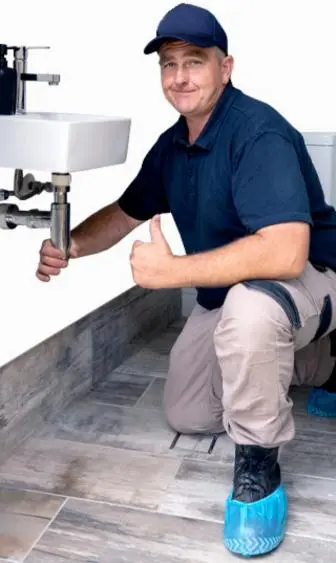
We use drop sheets and protective floor coverings in occupied homes, wear boot covers where requested, and keep the work area isolated where practical. If diagnostics reveal additional issues beyond the immediate fault (for example, corroded pipework or damaged fittings elsewhere in the system), those findings are explained and quoted separately so you can decide what gets done now and what can wait.
Emergency repairs are completed onsite where parts, access, and safe working conditions allow, then tested to confirm function before departing. If the repair requires ordering parts, coordinating access to concealed pipework, or waiting for concrete to cure around a new connection, we explain the timing and any interim measures needed to keep things safe or usable in the meantime.
Pricing and Booking for Emergency Plumbing
Emergency plumbing is priced by the job, not by the hour, which means you receive a fixed quote once the scope is confirmed on site onsite and you know the total cost before work starts. No hidden fees, no surprise hourly rate blow-outs, no ambiguity about what's included. If the job changes because diagnostics uncover something unexpected, we pause, explain what's been found, quote the additional work, and wait for approval before proceeding.
Call-out fees and after-hours rates vary depending on timing and urgency. Confirm the call-out fee status when you book so there's no confusion when the invoice is prepared. If the issue can safely wait for a standard booking window, that's usually the most cost-effective option. If it can't wait because of active damage or safety risk, immediate dispatch applies and pricing reflects that urgency.
We offer a 0% interest payment plan through Brighte, with approval typically taking 5 to 7 minutes, which can help spread the cost of larger emergency repairs without adding finance charges. Seniors with a valid seniors card receive a discount, and receipts suitable for landlords, agents, and insurance claims are provided as standard.
Why Plumbing Emergencies Happen and What Increases the Risk
In residential plumbing, most emergency faults result from age, material fatigue, or gradual stress rather than sudden random failure. Galvanised steel pipes corrode from the inside as minerals in the water react with the metal, narrowing the bore and weakening the wall until pressure causes a rupture. Flexi hoses degrade under constant pressure and temperature cycling, with the braided outer layer eventually splitting to release a high-volume leak. Older hot water systems fail when sacrificial anode rods are consumed and the tank itself starts to corrode, leading to slow leaks or catastrophic ruptures.
Tree roots are drawn to moisture and nutrient-rich wastewater, entering sewer lines through hairline cracks in aging clay or terracotta pipes. Once inside, roots expand to fill the pipe, trapping debris and eventually causing complete blockages or structural collapse. In kitchens, fat, oil, and grease poured down the sink cools and solidifies inside the drain line, building up over months or years until flow is restricted and blockages become routine.
Properties built before modern standards were introduced often lack the protective measures now required by code. Older gas installations may have no excess flow valves, hot water systems installed before tempering valves were mandated can deliver scalding water to taps, and drainage installed with insufficient fall or poorly sealed joints becomes prone to blockages and leaks as the system ages.
Knowing what commonly fails in properties of a certain age or construction type helps prioritise inspections and replacements before emergency failures occur, but once a fault is active, the priority shifts to containment, safe isolation, and permanent repair without further delay.
What Professional Emergency Plumbing Actually Involves
Professional emergency plumbing is not the same as a quick patch job. On older systems, flexi hoses and stop valves are often corroded, seized, or brittle, which means isolating one fault can expose others waiting to fail. Replacing a ruptured pipe in a finished wall cavity requires cutting access, supporting adjacent pipework so it doesn't sag or kink, pressure testing the repair before sealing it back in, and coordinating any make-good work with builders or restorers if structural finishes need replacing.
Gas work is tightly regulated and requires specialised detection equipment, pressure testing rigs, and compliance certificates that proves the installation is safe before it's put back into service. Drainage work often involves confined space entry, working around buried services, and coordinating with local water authorities when connections to mains infrastructure are involved. Hot water system replacements must meet current code for tempering valve installation, pressure relief, and safe venting, all of which require licenced trade knowledge and code compliance.
In an actual emergency, decision-making happens under pressure with incomplete information. You're prioritising safety, limiting damage, and keeping essential services available while working around access constraints, material availability, and whatever else is going wrong in that moment. That's the difference between professional emergency response and generic callout services that show up, quote high, and suggest temporary fixes because they're not equipped or experienced enough to complete proper repairs onsite.
Licensed and Insured Team Across Moreton Bay
All attending plumbers hold current licences for plumbing, drainage, and gas fitting work as required under Queensland regulations. Licensing ensures trade knowledge, code compliance, and legal accountability if something goes wrong, which generic handyman services or unlicensed operators cannot provide. Our team is adequately insured with Public Liability and Workers Compensation coverage, which means you're protected if accidental property damage occurs during work, or in relation to workplace injuries sustained on the job.
Police checks and background checks are completed for all technicians working in residential properties, which matters when you're letting someone into your home during a stressful situation and need confidence they'll behave professionally and respect your space. Technicians arrive in uniform, identify themselves at the door, and explain what they're doing before starting so there's no confusion about who's in your home or what work is being carried out.
Work completed by Big Blue Plumbing is covered by our workmanship warranty, which means if a workmanship issue shows up after the repair is finished, we address it under the warranty terms without charging again for the same fault. Product warranties are separate and depend on the manufacturer's terms, but we only use quality products for installations and replacements to reduce the likelihood of premature failure. All work is completed to applicable Australian Standards and compliance documentation is provided for regulated work like gas fitting or backflow prevention where required by local authorities.
When to Stop Waiting and Book an Emergency Plumber
If you can smell gas, hear a hissing sound near appliances or pipework, or notice dying plants over a buried gas line, treat it as urgent and call a licensed gas fitter without waiting to see if it resolves itself. Gas leaks create explosion and asphyxiation risks that worsen the longer they're left unaddressed.
When water is actively flooding a property and you cannot isolate it at the meter or stop valve, damage accelerates every minute it continues. Floors, walls, electrical fittings, and stored belongings are all at risk, and the longer water sits, the greater the chance of mould, structural damage, and insurance complications.
If sewage is backing up inside the property or pooling near the house, health risks escalate quickly and the problem will not improve on its own. Blockages that affect multiple fixtures simultaneously usually indicate a main line obstruction that requires professional clearing equipment and CCTV diagnostics to locate and remove.
A hot water service unit that's leaking, making loud rumbling or banging sounds, or delivering rusty water with visible sediment is showing failure signs that can lead to tank rupture or complete loss of hot water supply without warning. In winter, loss of hot water supply creates health and safety concerns, particularly for elderly residents, young children, or anyone with medical conditions affected by cold.
If you're unsure how urgent an issue is, a brief call can clarify next steps and confirm whether immediate dispatch is needed or whether a booked appointment within normal hours is sufficient. It's not about creating pressure, it's about matching the response to the actual risk and preventing situations where waiting too long turns a manageable repair into a major failure.
What Happens After the Emergency Is Resolved
Once the immediate fault is repaired and tested, we provide a clear explanation of what was done, what caused the failure, and whether there are related issues elsewhere in the system that should be monitored or addressed as planned maintenance. If access work was required (cutting into walls, lifting floorboards, or excavating around buried lines), we explain what restoration is needed and whether we can coordinate that or if you'll need to arrange it separately with builders or restorers.
Receipts and invoices suitable for landlords, property managers, and insurance claims are provided as standard, along with compliance certificates where relevant for gas work, backflow testing, or other regulated installations. Photographs of findings, damaged components, and completed repairs are available on request, which can help with insurance documentation or strata maintenance records.
If follow-up inspections or additional work are recommended based on what was observed during the emergency repair, those are explained and quoted separately. You're not obligated to proceed immediately, but understanding what's likely to fail next helps prioritise maintenance spending and avoid repeated emergency callouts for preventable faults.