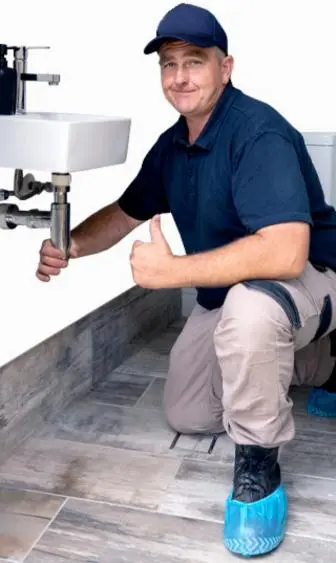
Need an Emergency Plumber in Kallangur?
Big Blue Plumbing handles emergency plumbing in Kallangur and across Moreton Bay, with 24/7 availability and immediate dispatch for urgent work like burst pipes, gas leaks, hot water failures, and major drain blockages. We service the Sunshine Coast, Noosa, and Moreton Bay regions from local dispatch points, which means urgent jobs are allocated to the nearest available plumber. The team is licensed and adequately insured, carrying Public Liability protection if accidental property damage occurs during work, and Workers Compensation related to workplace injuries on the job.
In Kallangur, property types range from older fibro and brick homes to newer estates, and access can vary by street layout and parking availability. When you book an emergency job, we confirm your address and any access details upfront, then provide an ETA once the plumber is dispatched. That ETA depends on current bookings and traffic conditions, but urgent work goes out first.
Emergency plumbing isn't scheduled weeks ahead. It happens when a fixture fails, a pipe bursts, or you can smell gas. We're set up to respond when that call comes in, day or night, and our approach is to assess the fault, confirm what needs doing, provide a fixed quote for the work, then repair and verify before leaving. After 40+ years of combined plumbing experience and over 3,000 jobs completed, we've handled most failure patterns across South East Queensland homes and businesses.
What Counts as a Plumbing Emergency in Kallangur?
An emergency is anything that creates immediate risk to safety, property, or essential function. That includes active water leaks you can't isolate, burst pipes flooding rooms or yards, gas leakages or the smell of gas, complete water heater failure in winter, severely blocked drains backing up into the home, and any situation where mains water or sewage is escaping where it shouldn't. If isolating the supply stops the problem temporarily, it may not need an emergency callout, but if the issue leaves you without water, puts the property at risk, or involves gas, treat it as urgent.
Common emergency scenarios we attend in Moreton Bay include:
- Burst mains pipes or split copper lines flooding under the house or in walls
- Ruptured flexi hoses behind toilets, under sinks, or at appliance connections
- Hot water systems leaking at the base or relief valve continuously discharging
- Blocked main drains causing sewage to back up through floor wastes or shower grates
- Gas leaks at appliance connections, pipe joints, or after storm damage
- Toilet cisterns that won't stop filling and are overflowing
- Taps or mixer valves that have broken off or are spraying water uncontrollably
If you're not certain how urgent it is, a brief call clarifies the risk and the next step. We can explain whether it's safe to wait for a standard booking or if it needs immediate dispatch.
How Emergency Plumbing Works: Assessment, Quote, Repair
Emergency plumbing follows the same fixed-price model as scheduled work, but the timeline is compressed. When you call, we confirm the fault type, your location, and any immediate safety actions (like isolating water at the meter if the leak is active). The nearest available plumber is dispatched, and you're given an ETA based on their current location and traffic.
On arrival, the plumber assesses the fault to confirm what has failed and what's needed to make it safe or restore function. That might involve locating the leak source, checking pressure at the hot water unit, running a camera down a blocked line, or testing gas connections with a detector. Once the scope is clear, you receive a fixed quote for the work. The price is by the job, not by the hour, and there are no hidden fees.
If you approve the quote, the repair proceeds. That could mean replacing a burst flexi hose, re-seating a leaking valve, clearing a drain blockage with a high-pressure jetter, replacing a faulty hot water element, or capping off a damaged gas line until parts arrive. After the work is complete, the plumber verifies the outcome: checks for leaks, confirms flow and pressure, tests the hot water temperature, or ensures the drain is running clear. You receive an invoice showing what was done, and the work is covered by our workmanship warranty.
If the fault requires parts that aren't on the truck, the plumber explains the options. Often, a temporary repair can make the system safe and usable until the replacement part arrives and the final work is scheduled. If an inspection uncovers additional damage (like corroded pipework behind a wall), that's explained and quoted separately before any extra work proceeds.
Why Emergency Plumbing Needs a Licensed Plumber
Plumbing emergencies escalate quickly, and incorrect repairs often make the situation worse. A burst pipe that's poorly capped can fail again under pressure. A gas leak that's "fixed" without pressure testing the line can remain a safety risk. A blocked drain cleared without identifying the restriction type can block again within days. Licensed plumbers are trained to diagnose the underlying cause, not just treat the symptom.
In Queensland, plumbing and gas work must be carried out by appropriately licensed tradespeople, and certain work requires compliance documentation. That applies to gas installations, hot water replacements, and drainage work that connects to council or water authority systems. If the work isn't compliant, it can void insurance, fail building inspections, or create liability if something goes wrong later.
Our attending plumbers are licensed for the work they perform, and we follow Australian Standards for repairs and installations. Where compliance certification is required, it's provided as part of the job documentation. That's not just about meeting legal obligations; it's about ensuring the work is safe, durable, and verifiable if you need records for insurance, property sales, or strata management.
Common Emergency Plumbing Faults and What Causes Them
Most plumbing emergencies follow predictable patterns. Burst pipes often result from corrosion in older copper or galvanised steel lines, or from pressure surges that stress joints and weak points. Flexi hoses fail when the inner rubber lining degrades over time, especially in homes where water pressure exceeds the hose rating. Hot water systems leak when sacrificial anodes corrode through or when pressure relief valves fail and discharge continuously.
Blocked drains typically trace back to tree root intrusion in older terracotta or clay pipes, or fat and grease buildup in kitchen lines. Roots enter through hairline cracks, expand, and trap debris until the line is fully obstructed. In bathroom drains, hair and soap residue combine to form a dense mat that slows flow and eventually blocks the pipe.
Gas leaks occur at appliance connections, pipe joints, or where external damage has compromised the line. The distinctive smell is an added safety signal (mercaptan), and any gas odour should be treated as urgent. Leaking taps and mixers are usually caused by worn washers or ceramic disc cartridges, but if a tap breaks off under pressure, it can spray water across a room until isolated.
On site, we often see emergency call-outs that could have been avoided with earlier maintenance. A slow leak ignored for months can rot timber framing or damage plasterboard. A partially blocked drain left uncleared can back up during heavy rain. Regular maintenance identifies these risks before they escalate, but when the failure has already happened, the priority is containment and repair.
What to Do While Waiting for the Emergency Plumber
If water is actively leaking and you can access the isolation valve or meter, turn off the supply to stop further flooding. Most homes have a mains isolation tap at the water meter (usually at the front boundary), and individual fixtures may have their own stop valves under sinks or behind toilets. If you're unsure which valve controls the problem area, isolating at the meter stops all water to the property.
For gas leaks or the smell of gas, do not operate electrical switches, open flames, or anything that could create a spark. Ventilate the area by opening windows and doors, evacuate if the smell is strong, and call the emergency plumber from outside the property. Do not attempt to locate the leak yourself or turn gas appliances on and off to test for the source.
If a drain is blocked and backing up, stop using all water in the affected area to prevent overflow. That includes toilets, sinks, showers, and washing machines. If sewage is coming up through floor wastes, it's usually because the main line is obstructed and pressure is forcing it back through the lowest point.
We don't recommend DIY repairs for active emergencies. Temporary fixes like tape, putty, or clamps rarely hold under mains pressure, and they can make the proper repair harder or more expensive. The safest action is isolation, then booking the plumber to assess and fix it correctly.
Emergency Plumbing Pricing: Fixed Quotes and No Hidden Fees
Emergency plumbing is priced by the job, just like scheduled work. Once the fault is assessed and the the scope is confirmed, you receive a fixed quote before work begins. That quote covers the labour, materials, and any call-out or after-hours component, with no hidden fees or surprise charges.
The price for emergency work is typically higher than standard bookings, reflecting the after-hours availability, immediate dispatch, and the need to carry a wide range of parts and tools for urgent scenarios. But you know the cost before committing, and you can decide whether to proceed, arrange a temporary repair, or wait until business hours if the fault isn't causing active damage.
If the job is straightforward and parts are on hand, many emergency repairs are completed in one visit. If inspection reveals additional faults or the need for specialised parts, those are explained and quoted separately. We don't extend the job or add scope without your approval.
For larger emergency repairs, a 0% interest payment plan is available via Brighte, with approval typically confirmed in 5 to 7 minutes. That option is useful when an urgent hot water replacement or major pipe repair exceeds the amount you were planning to spend. Seniors with a valid senior card also receive a discount, applied at the time of quoting.
The call-out fee policy varies by job type and timing. When booking, confirm whether a call-out fee applies and whether it's deducted from the total if work proceeds. That keeps the cost structure transparent and avoids confusion when the invoice arrives.
How We Protect Your Property During Emergency Repairs
Emergency plumbing often involves working in occupied homes, sometimes in the middle of the night or early morning when residents are still asleep. Our plumbers arrive in uniform, confirm their identity at the door, and explain what they need to access before entering. Police checks and background checks are completed for all attending technicians, which matters when you're letting someone into your home during unsociable hours.
We use drop sheets and protective coverings to protect floors and surfaces in the work area, and boot covers are worn when requested or when conditions require it. If the leak has already caused water damage, the plumber isolates the affected area where practical to reduce mess and protect finishes. That's especially important in homes with timber floors, carpet, or tiled bathrooms where water can seep into subfloors and cause long-term damage.
The work area is cleaned up before leaving, and any debris or replaced parts are removed from the property. If the repair has involved cutting into walls or lifting floorboards, the plumber explains what's been done and whether any follow-up work (like replastering or retiling) is needed. We don't leave a site messy or unsafe, even when the job has been completed under time pressure.
Why Local Dispatch Matters for Emergency Response
Big Blue Plumbing services Kallangur, Moreton Bay, and the broader Sunshine Coast and Noosa regions from multiple dispatch points across South East Queensland. When an emergency call comes in, the nearest available plumber is allocated based on their current location and the job priority. That dispatch model is designed to minimise travel time for urgent work, though arrival timing still depends on current bookings, traffic, and whether the plumber is finishing another job.
Immediate dispatch doesn't mean an instant ETA. It means the job is prioritised and sent out as soon as a plumber is available. On a busy weekend or during peak call-out periods (like after storms or during cold snaps when hot water systems fail), response times can stretch. But you're kept informed: when the plumber is dispatched, you receive an ETA, and if delays occur, you're notified so you can plan accordingly.
Local knowledge helps with access and expectations. Kallangur properties vary by age and layout, and access constraints like narrow driveways, gated entries, or unit complexes with restricted parking affect how the job is planned. When booking, mention any access issues upfront so the plumber arrives with the right vehicle and equipment.
Workmanship Warranty and What It Covers
All work completed by Big Blue Plumbing is covered by our workmanship warranty. That means if a fault occurs due to how the work was performed (not due to external damage or wear on other parts of the system), it's addressed under the warranty at no additional cost. The warranty applies to the labour and installation, not to manufacturer defects in parts, which are covered separately by the product supplier.
In plain terms: if we replace a flexi hose and it leaks at the connection point because the fitting wasn't tightened correctly, that's a workmanship issue and it's fixed under the warranty. If the new flexi hose itself fails due to a manufacturing defect, that's a product warranty issue and the supplier provides the replacement part.
Warranty claims are straightforward. If you notice a problem with work we've completed, call and explain what's happening. We'll schedule a return visit to assess it, and if it's a workmanship issue, it's corrected without additional cost. That accountability is built into how we operate, and it's why we test and verify outcomes before leaving every job.
When to Call an Emergency Plumber vs Waiting for a Standard Booking
Not every plumbing fault needs an emergency callout. If the issue isn't causing active damage, doesn't involve gas, and you can still use essential fixtures, it's often more cost-effective to book a standard appointment during business hours. A dripping tap, a slow-draining sink, or a toilet that's running but not overflowing are inconvenient, but they're not emergencies.
Book an emergency plumber when the fault creates immediate risk: water you can't isolate, gas you can smell, sewage backflowing into living areas, or complete loss of hot water in cold weather when vulnerable occupants are affected. If you're uncertain, call and describe the situation. We can help you assess the urgency and decide whether it needs immediate dispatch or can wait until the next available standard booking.
Emergency pricing reflects the cost of after-hours availability and immediate response. If the fault can safely wait, a standard booking during business hours is usually the lower-cost option. But if waiting means water damage, safety risk, or extended loss of essential services, the emergency callout is justified.