24/7 Emergency Plumber Arana Hills
Big Blue Plumbing provides 24/7 emergency plumbing across Arana Hills and the broader Moreton Bay region, dispatching licensed plumbers from local bases to handle urgent faults like ruptured pipes, gas leaks, blocked drains, and hot water failures. Urgent jobs are allocated first and the nearest available technician is sent out. What qualifies as an emergency usually depends on active water flow, gas odour, or loss of essential service; if you're not certain how urgent it is, a brief call clarifies priority and booking. We're licensed in Queensland, carry public liability and workers compensation insurance (protecting you if accidental property damage or a workplace injury occurs during the job), and we've completed over 3,000 plumbing and gas jobs with 40+ years of combined team experience.
Moreton Bay properties vary widely in age, layout, and site conditions. Older homes around Arana Hills may still have galvanised steel or copper pipework that corrodes over time, while newer builds typically use PVC. That affects how faults present and what's involved in fixing them. On the first visit, we confirm what's affected, check access to shut-off points and the work area, then explain what's needed and provide a fixed price quote before starting any work. You decide once scope is clear.
If there's an active safety risk, water spraying, gas smell, or sewage backflowing, we can talk you through immediate containment (isolating water at the meter or opening windows if gas is suspected) while the plumber is on the way. We don't ask you to diagnose the fault. Once onsite, we assess the cause, explain the options, and make it safe or restore function, depending on what's practical during the emergency window.
What Emergency Plumbing Covers in Arana Hills
Emergency plumbing response in Arana Hills covers urgent faults that risk property damage, create a safety hazard, or cut off essential water or gas supply. This includes broken pipes (internal or external), flexi hose failures under sinks or behind toilets, gas leaks or appliance faults, hot water unit breakdowns, severe blockages causing backflow, and flooding from failed fixtures or burst mains connections. It also covers urgent repairs to prevent escalation, like a cistern that won't stop filling or a tap that's stripped and spraying. If the fault can cause water damage, health risk, or loss of service overnight, it's treated as urgent and scheduled accordingly.
What typically doesn't qualify as an emergency: a slow-draining sink, a dripping tap that's been dripping for weeks, a toilet that flushes but runs longer than usual, or a hot water system that's lukewarm but still delivering some flow. These get booked as standard appointments during business hours. If you're unsure where your situation sits, describe what's happening when you call and we'll confirm whether it needs immediate dispatch or can be scheduled next available.
Some faults can be made safe or temporarily controlled during an after-hours callout, then fully repaired during a return visit when parts, access, or daylight are required. For example, a burst pipe can be isolated and capped to stop the leak, then properly rejoined or replaced later. A leaking hot water supply relief valve might be isolated temporarily if a replacement valve isn't on the truck. We'll always explain what's been done, what still needs doing, and when we'll be back to finish it.
How Emergency Dispatch Works
When an urgent job is called in, it's assessed for priority and the nearest available properly licensed plumber is allocated from our dispatch coverage across the Sunshine Coast, Noosa, and Moreton Bay regions. We aim to provide an estimated time of arrival when you book, but timing depends on current workload, traffic, and whether the plumber is finishing another job. For genuine emergencies, active water flow, gas smell, or sewage backup, dispatch happens as soon as a plumber is available. Less urgent faults may be scheduled for the next available window if all emergency slots are filled.
Arrival communication is part of the process. Where possible, we provide ETA updates so you're not left waiting without information. If the plumber is delayed due to an earlier job running over or road conditions, you'll be notified. Technicians arrive in uniform, can show ID on request, and will explain what they're there to check before entering the property. All attending plumbers are licensed for the work they perform, background checked, and trained to work respectfully in occupied homes.
After-hours callouts follow the same process as daytime emergencies. The difference is tool and parts availability. Most common emergency repairs, stopping a leak, clearing a blockage, restoring hot water supply, or making a gas fault safe, can be handled from the truck. If a repair needs a specific part, unusual equipment, or specialist access (like excavation or relining), the plumber will make the site safe, explain what's required, and arrange a return visit once scope is established and materials are organised.
Common Emergency Plumbing Faults and What Causes Them
Burst pipes often result from corrosion in older metal pipework, joint failure due to ground movement or water hammer, or freeze-thaw cycles during cold snaps (less common in South East Queensland but not unknown in elevated areas). External pipes can also fail where tree roots apply pressure or soil shifts. A burst shows up as visible water flow, a sudden drop in pressure, or water pooling where it shouldn't be. Left unaddressed, it can flood subfloors, damage foundations, and saturate walls.
Flexi hoses, the braided connectors under sinks, behind toilets, or feeding hot water systems, fail when the internal rubber degrades or the crimp fittings corrode. On a job, we often see flexi hoses that are original to a 15- or 20-year-old installation, well past their typical service life. A flexi failure usually presents as a sudden spray or stream of water, often noticed when someone opens a vanity door or hears water running when no taps are on. These can dump a lot of water quickly because they're under mains pressure.
Gas leaks are less common but higher risk. Natural gas is odorised with mercaptan (the rotten egg smell) to make leaks detectable. Gas can leak from corroded pipes, loose fittings after appliance work, or faulty appliance connections. If you smell gas, don't operate switches or igniters, open windows and doors, and book an inspection immediately so the system can be isolated, tested, and repaired. Queensland gas work must be carried out by a fully licensed gasfitter and pressure-tested after any repair to confirm it's gas-tight.
Hot water failures can be electrical (failed element or thermostat), mechanical (seized valve, corroded tank, failed relief valve), or gas-related (pilot fault, burner issue, or gas supply problem). Storage systems often fail gradually, water gets lukewarm, recovery time increases, then stop altogether. Instantaneous systems tend to fail suddenly when a component gives out. If there's no hot water and you've checked the circuit breaker or gas supply is on, a licensed assessment identifies whether it's repairable or needs replacement.
What the First Emergency Visit Involves
The first priority is safety: isolating water or gas to stop active flow or make the area safe. Once that's controlled, the plumber inspects the affected area, traces the fault to its source, and explains what's caused it and what's needed to fix it. For a ruptured pipe, that might involve cutting out the damaged section and replacing it. For a blockage, it could mean clearing the line and checking if there's underlying damage. For a gas leak, it involves leak detection, isolation, and pressure testing.
We assess using the tools on the truck: CCTV cameras for internal drain inspections, high-pressure water jetters for blockage clearing, electronic leak detectors for hidden water or gas leaks, and standard hand and power tools for mechanical work. If the fault can be fixed with what's available and the work is straightforward, it's completed during that visit. If it requires parts, specialist equipment, or more invasive work (like opening a wall or digging a trench), we explain the options and provide a fixed-price quote before any additional work proceeds.
You'll receive a clear explanation in plain English: what failed, why it failed, what we're recommending, and what it includes. The quote is by the job, not by the hour, so you know the total cost before we start. There are no hidden fees. If you want to proceed, we'll either complete it then or schedule the return visit. If you want to think about it or get a second opinion, that's fine, there's no pressure once you've been given the information to make an informed decision.
Fixed Pricing and What Affects the Cost
We price emergency plumbing by the job, not by the hour. Once scope is finalised onsite and you've agreed to proceed, the price is fixed, it won't change because the repair took longer than expected or required extra fittings. What affects the cost is the scope of work: how much pipe needs replacing, whether there's structural access required (cutting into walls or lifting pavers), parts and materials needed, and whether the job can be done in one visit or requires follow-up work.
After-hours callouts may involve different booking terms than standard appointments; confirm the call-out fee status when you book so there are no surprises. We keep pricing straightforward and explain what's included and what's separate before you commit. For larger repairs, a 0% interest payment plan is available through Brighte, with approval typically taking 5 to 7 minutes.
To reduce cost, the best approach is early intervention. A small leak that's caught and repaired before it saturates a wall is cheaper than repairing the leak plus the water damage. A clogged drain cleared before it backs up into the house avoids clean-up costs. A worn flexi hose replaced during a maintenance visit is cheaper than an emergency callout when it bursts at 2 a.m. That's why we recommend not deferring small faults when they first show up.
How We Protect Your Property During Emergency Work
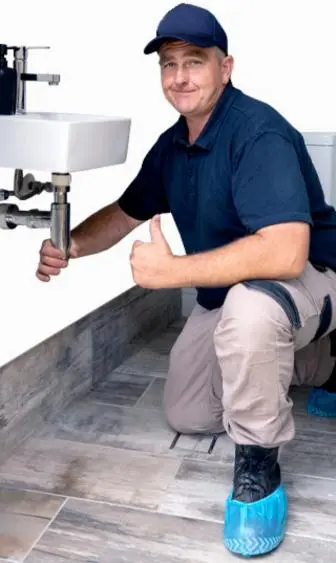
Emergency plumbing often happens in stressful conditions, water actively leaking, confined spaces, urgent timelines, but care for the property is still part of the job. We use drop sheets or protective coverings in the work area, wear boot covers or remove shoes when working inside (especially in finished areas), and isolate the work zone where practical to reduce mess.
If cutting, drilling, or opening walls is required, we'll explain what's involved and confirm it's acceptable before starting. Where possible, we'll access pipework through existing access points (under vanities, via ceiling hatches, or through external taps) rather than cutting into finished surfaces. If cutting is unavoidable, we'll keep it as small as practical and discuss reinstatement options afterward. We don't do building or tiling work ourselves, but we can recommend trades for making good if that's needed after the plumbing is fixed.
At the end of the job, we clean up the immediate work area, remove offcuts and packaging, and verify the repair is holding (re-pressurising the line, checking for leaks, confirming flow and function). You'll receive a receipt and any compliance documentation required for the work. If a workmanship issue shows up after we leave, it's covered by our workmanship warranty, contact us and we'll address it.
Preventing Emergency Plumbing Faults
Some emergency faults are unpredictable, but many result from deferred maintenance or components reaching end of life. Flexi hoses should be checked every few years and replaced every 5 to 10 years depending on condition. Hot water systems benefit from periodic anode checks and sediment flushing (for storage tanks) or filter cleaning (for instantaneous units). Drains should be kept free of fat, oil, grease, and solid debris, especially in kitchen lines.
If you notice warning signs, pressure drops, slow drains, unusual noises from the water heater, water discolouration, or damp patches on walls or ceilings—book an inspection before it escalates. Early diagnosis usually means simpler, cheaper fixes. We're available 24/7, but not every fault needs to become an emergency if it's caught early.
Why Local Matters for Emergency Plumbing
We're a locally owned team covering the Moreton Bay region, including Arana Hills, as part of our broader Sunshine Coast, Noosa, and Moreton Bay service area. That means familiarity with the housing stock, common pipe layouts, access constraints (narrow driveways, rear-lane properties, strata parking rules), and the local water authority and council requirements that can affect drainage work or external pipework approvals.
Being local also means shorter response times when the plumber is already working nearby. Dispatch logistics, where the truck is coming from, which routes avoid peak traffic, and where to access the property, are more predictable when the team works the area regularly. You're also dealing with a business that's accountable locally, with a 5-star Google rating from 15 customer reviews and a track record of over 3,000 completed jobs across South East Queensland.
For Arana Hills residents, that local accountability means we're not a call centre dispatching contractors from an unknown base. We're a plumbing and gas team you can call back if something isn't right, and we'll take responsibility for fixing it. That's part of what 40+ years of combined experience and a locally operated business model makes possible.