

Knowing where the incoming water shutoff is can help you respond to a leak. Find it before you need it and make sure everyone in the household knows which valve it is. The arrangement varies between properties, so do not assume every valve near the meter controls the home.
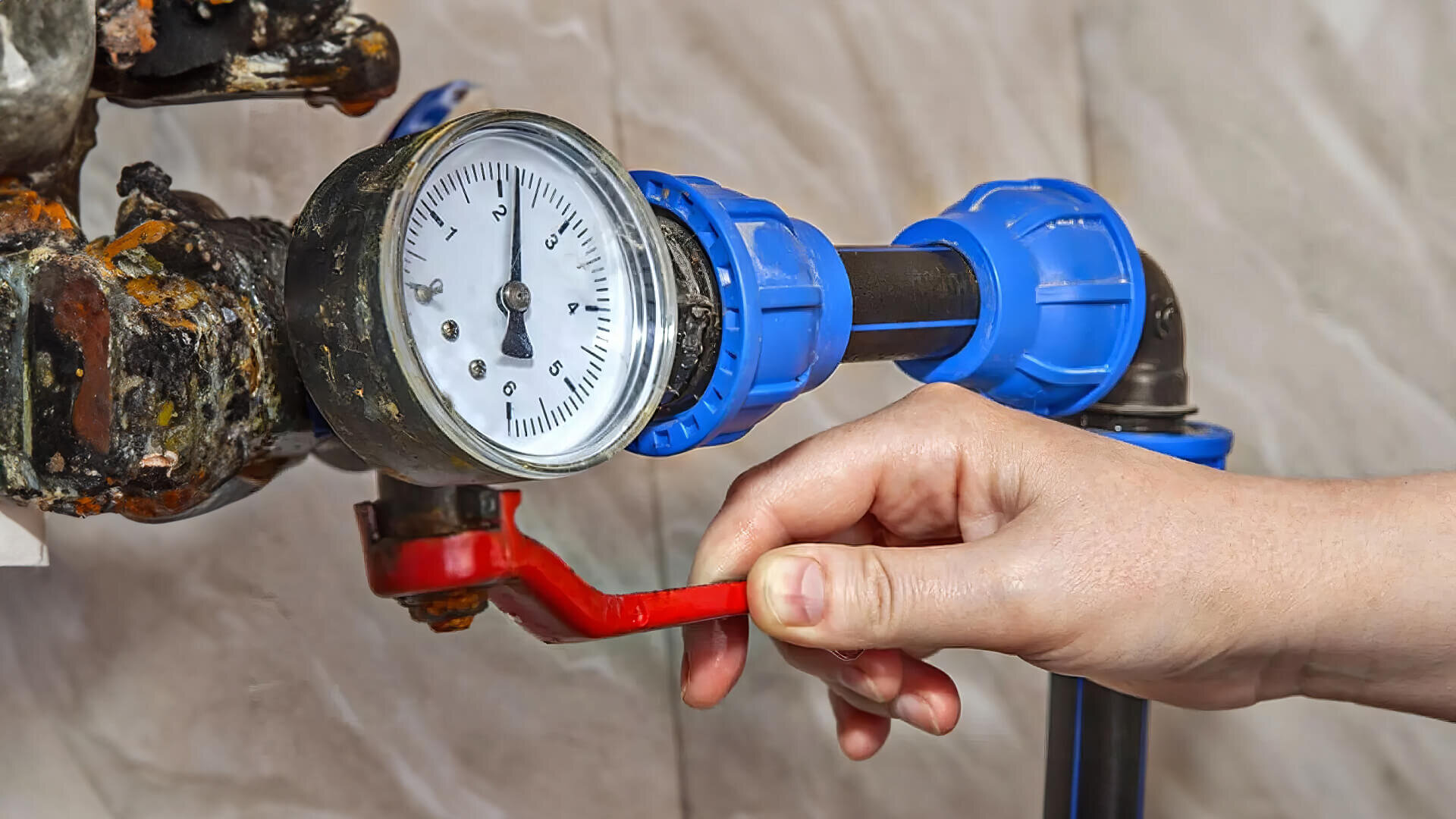
Where to look
Start at the water meter, often in a box near the property boundary or street frontage. A property-side stop valve may be next to it. Some homes also have an internal main valve where the water line enters the building, or a separate isolation valve for one fixture. Check labels and property information rather than guessing. If the meter is in a shared or locked area, contact the owner, body corporate or water provider for access advice.
On the Sunshine Coast, Unitywater manages water supply and sewerage infrastructure. Unitywater says the stop tap or stop valve on the water meter controls drinking-water flow into the property; see its water-pressure guidance. The water provider can help identify a meter or network issue, but private plumbing repairs remain the property owner’s responsibility. See Sunshine Coast Council’s plumbing and drainage guidance.

Identify the valve before turning it
Valves differ: some have a wheel handle, others a lever or a key-operated meter stop. Check any label or instructions for your meter or valve. Do not rely on a universal clockwise or lever-position rule. If you cannot identify the correct control, ask your water provider or a licensed plumber to show you.
Keep the meter box accessible and do not store items on top of it. Do not turn a valve attached to the meter if it is damaged, leaking, corroded, unusually stiff or sealed by the provider.

Turn off the water if it is safe
- Keep away from water near power points, appliances, wiring or the switchboard. Do not touch electrical equipment in a wet area.
- If the leak is active and the valve is clearly identified and safely accessible, turn it gently in the direction shown on the valve or meter instructions. Stop if it resists; do not use a long tool or force.
- Open a cold tap briefly to check whether supply has stopped. Some residual water may drain from pipework.
- Leave the valve off while you arrange the repair. Do not dismantle pipework or fittings yourself.
If you suspect the meter or public water main is damaged, report it to the provider. A leak on the property’s plumbing should be assessed by an appropriately licensed plumber.

Restoring the supply
After the fault has been repaired, follow the plumber’s or water provider’s instructions for restoring supply. If you are specifically asked to operate an accessible valve, do so slowly and stop if it leaks, is difficult to turn or causes an unexpected problem. Check visible fittings from a dry position and report a leak. Do not turn the system back on if the repair is unfinished or you are unsure what the valve controls.

Make a simple emergency plan
Take a photo of the correct valve, note where the key or meter access is kept, and tell household members how to get to it. Do not leave a tool on the meter or tamper with provider equipment.
For a leak or plumbing repair, contact Big Blue Plumbing to ask about an assessment. In Queensland, most plumbing repairs must be performed by a licensed plumber or drainer. See QBCC’s regulated plumbing work requirements.

Frequently asked questions
Will turning off the meter valve fix a burst pipe?
No. It may stop or reduce incoming water, but the pipe still needs a compliant repair. Arrange a licensed plumber if the fault is on your property.
Should I force a stuck valve with pliers or a spanner?
No. Forcing a valve can damage it or the meter connection. Stop and contact the water provider or a licensed plumber.
Who handles a leak near the meter?
Responsibility depends on location and the local water service arrangement. In the Sunshine Coast area, contact Unitywater about a suspected meter or network fault. The property owner is responsible for private plumbing.


