

There is no single hot-water-system size that fits every household with the same number of people. The right model depends on when and how hot water is used, the number of outlets used at once, system type and the product’s performance under local conditions.
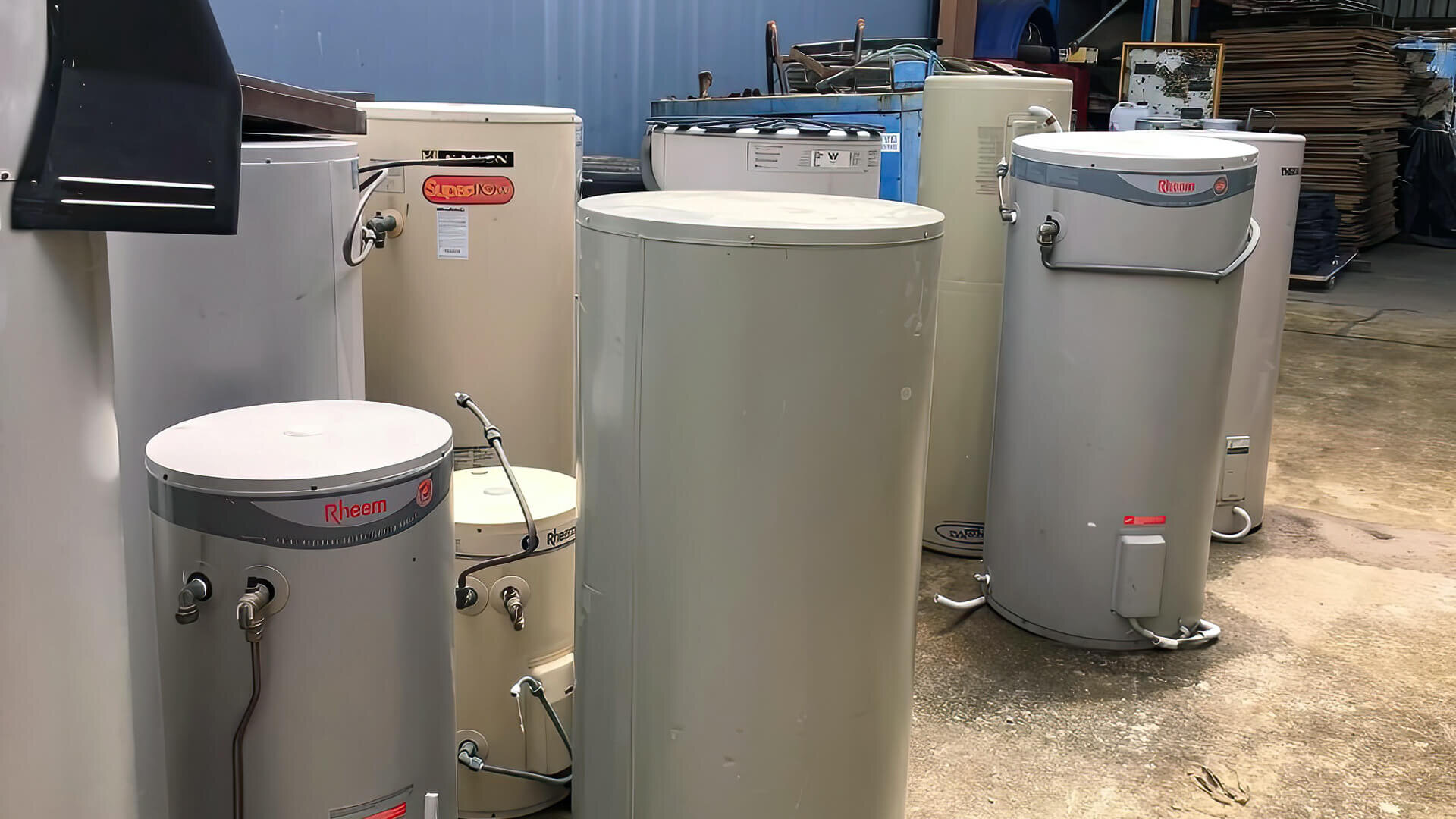
Start with your household’s peak use
Note how many showers or taps are commonly used at the same time, whether a bath is filled, and which appliances draw hot water. Shower flow rate and duration, visitors, work and school routines all affect demand. A rule-of-thumb litres-per-person figure cannot account for every household or heater.

Compare systems using their own ratings
Storage systems
For a storage heater, compare usable delivery and first-hour recovery information for the exact model, not tank litres alone. A tank’s ability to meet a peak depends on its stored volume, reheating rate, incoming-water temperature and usage pattern. Off-peak tariffs or controlled supply can also change when recovery is available.
Continuous-flow systems
Continuous-flow units are rated by flow rate at a stated temperature rise. The required output depends on how many outlets may run together, their flow, incoming-water temperature and the model’s capacity. A litres-per-minute rating is not directly comparable with a storage-tank volume.
Heat-pump and solar systems
Heat-pump and solar systems have their own storage, recovery and booster behaviour. Check the manufacturer’s sizing guide for the specific model and site conditions. Queensland requires solar and heat-pump hot-water installation to be done by an installer with the relevant QBCC endorsement.

Use a model-specific sizing guide
Manufacturer tables make assumptions about showers, mixed-water temperature, climate, pressure, incoming-water temperature and connected appliances. Read the assumptions as well as the recommended size. Rheem’s domestic brochure, for example, asks users to consider bathrooms or people using hot water at once, household ages, climate and water pressure. Another manufacturer or model may use different assumptions.
Rheem’s current domestic hot-water brochure · Thermann guidance on household usage and system choice.

Other factors to confirm
Before choosing a unit, check available energy supply and tariff, installation space, pipework, local climate and the system’s operating requirements. A licensed installer can compare actual models and confirm compatibility, sizing and any required temperature-control device.

Queensland requires residential storage hot water to be stored at a minimum of 60°C and delivered to domestic taps at no more than 50°C in relevant applications. Do not alter a heater or tempering valve to change the temperature. See Queensland’s current hot-water requirements.
Contact Big Blue Plumbing to enquire about hot-water system sizing and installation.


