

Gas hot water is one option for a home. Suitability depends on the appliance, fuel supply, hot-water demand, available space and energy costs. Compare the full system with other suitable options before deciding.
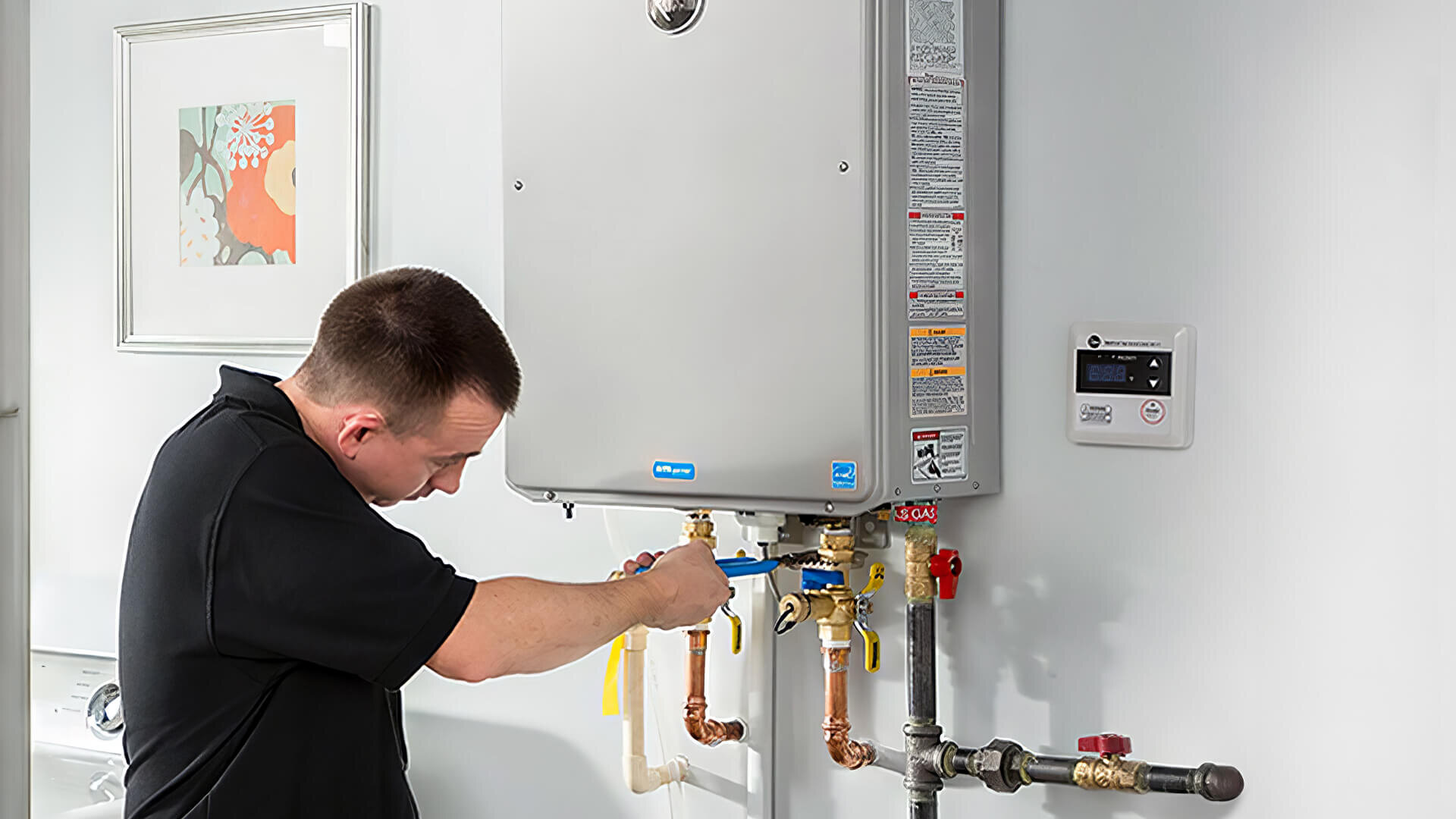
How gas hot-water systems differ
Gas systems may heat water as it is used or store heated water in a tank. Continuous-flow systems heat on demand, subject to the appliance’s rated capacity and incoming conditions. Storage systems keep a tank of water hot and can lose heat while stored. The right type and size depend on household use.
Energy.gov.au describes gas hot-water systems as having medium-to-high purchase, installation and running costs. It also notes gas storage can be particularly inefficient in cold climates because of tank heat loss. These facts do not establish that gas will cost less for a particular home; tariffs, appliance efficiency, usage and backup all affect the comparison.

Compare costs and environmental impacts
Do not assume gas will cost less than electricity or have lower emissions. Compare current tariffs and actual appliance models. Read energy.gov.au’s hot-water systems guide. A licensed installer can assess suitable options for your property.
Installation and safe maintenance
Gas appliance installation, connections and servicing should be done by appropriately licensed tradespeople. In Queensland, gasfitting is a separately licensed trade. Do not open or clean a burner, adjust a gas connection, test a suspected leak or flush a tank unless the exact appliance owner’s manual specifically says the task is safe for the owner.
Use only basic owner checks listed in the manual for your model. For faults, leaks, servicing or work inside an appliance, contact a licensed gasfitter or service provider. If you smell gas, do not use flames or operate electrical switches. Follow Queensland Government gas-safety advice. Isolate the gas supply valve at the meter or cylinder if safe and contact our licensed gasfitters on (07) 5404 9354.

Questions to ask before choosing
Ask the installer to compare system types, peak-demand capacity, installation requirements, energy source, expected operating costs and the manufacturer’s service schedule. See how to choose a hot-water system size and hot-water system efficiency. Confirm who is authorised to service the proposed appliance.
See QBCC gasfitting guidance and the model-specific owner guide for your appliance.


