

Hot water is a significant part of household energy use, but the best way to reduce it depends on the system, household routine, energy tariff and site. The Australian Government estimates that water heating accounts for around 15% to 30% of household energy use. That range is not a prediction of an individual bill.
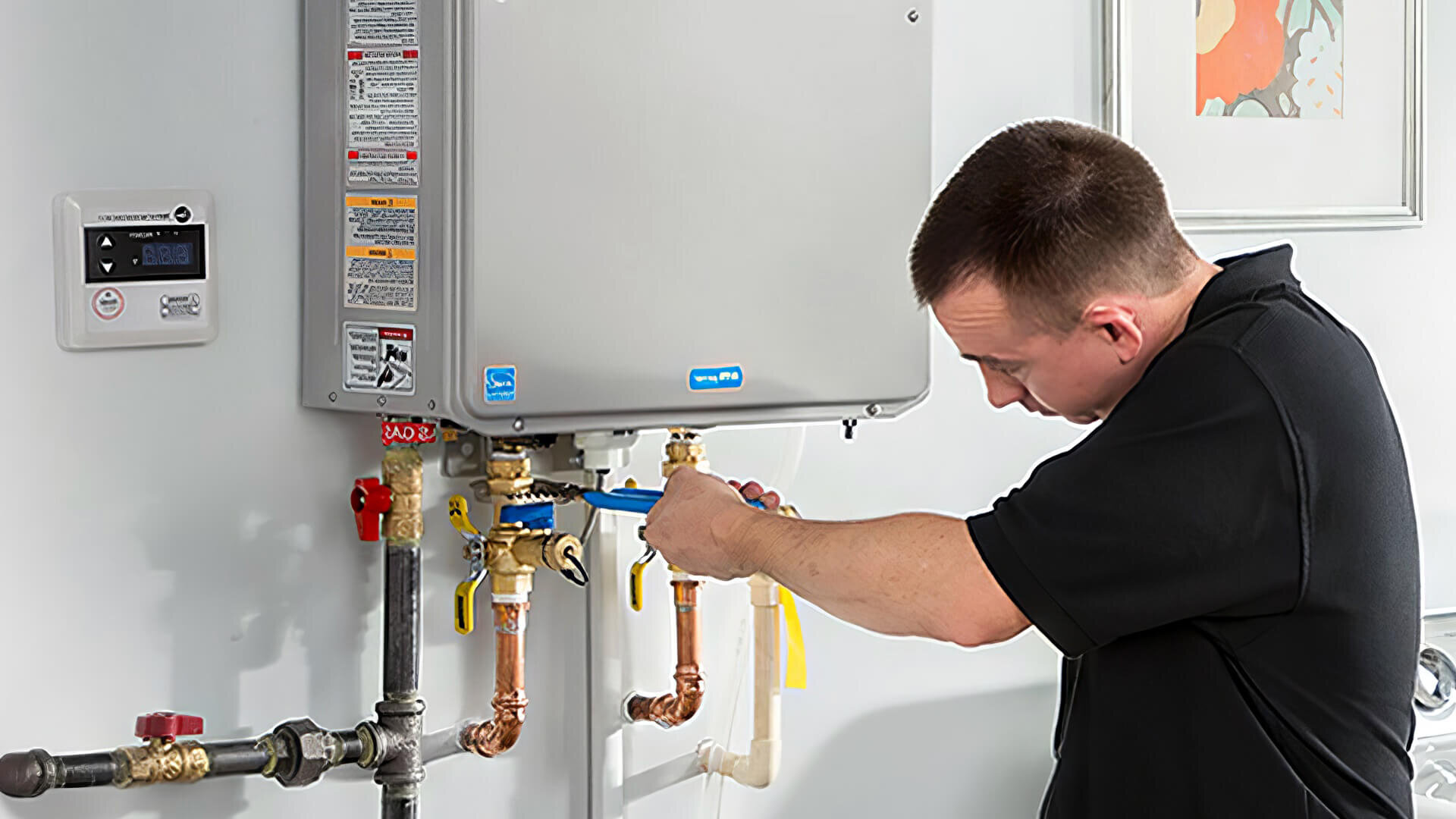
Start with the system and its controls
Storage systems heat water held in a tank; instantaneous systems heat water as it flows through the appliance. Heat pumps and solar systems use different energy sources and controls. Compare the model’s performance, purchase and installation cost, tariff, hot-water demand and maintenance requirements rather than assuming one type always costs less.
If you have rooftop solar, ask an accredited installer whether a compatible hot water control can use surplus generation. Changing controlled-load wiring or electrical settings is not a DIY task. Time-of-use tariffs and retailer offers change, so check your current plan before estimating savings.

Reduce unnecessary hot-water use
Fix dripping hot taps, use showers efficiently and choose water-efficient fixtures that still meet household needs. Insulating accessible hot water pipes can reduce heat loss where the material and location are suitable; follow product instructions and keep safety valves, outlets, controls and required clearances unobstructed.
Do not wrap a storage tank or cover a heat pump, flue or appliance unless the manufacturer expressly permits it. Poorly chosen insulation can obstruct ventilation, service access or safety devices.

Keep safe temperature settings
For residential storage systems in Queensland, stored hot water must be heated to at least 60°C to help control Legionella, while delivery to taps should be no more than 50°C to reduce scald risk. These temperatures apply at different points in the system. Do not lower a storage heater below 60°C as a general energy-saving measure. Have the system’s controls and delivery temperature checked by an appropriately licensed professional.
Queensland Health explains the storage and delivery temperature guidance. A tap setting or thermostat adjustment should not be inferred from a photo or generic online number.

Maintain the system as its manual directs
Service intervals and owner checks vary by model and water source. Follow the manufacturer’s manual and installer handover. Do not drain a tank, adjust a relief valve, dismantle a heat pump or descale an instantaneous unit based on a generic schedule. If there is a leak, an unexpected discharge, noise or unreliable hot water, arrange a professional inspection.
QBCC’s home owner plumbing guide says to follow the manufacturer’s servicing recommendations and use the appropriately licensed person for regulated work.

Compare replacement options carefully
When a system is due for replacement, compare suitable models using household demand, current electricity or gas prices, solar availability, space, noise, installation work, warranty and expected maintenance. Energy.gov.au’s hot water system guide outlines Australian system types and their trade-offs. Government incentives can change, so confirm current eligibility before including them in a budget.
Contact Big Blue Plumbing or call (07) 5404 9354 to book a hot water service or upgrade.


