

Make the plumbing safe first. Shut off the main water meter stop tap or fixture isolation valve, switch off the hot water circuit breaker at the switchboard if the water heater is leaking, and keep clear of water near electrical outlets or sagging ceilings before calling our 24/7 emergency plumbers on (07) 5404 9354.
If a water leak is active, turn off the relevant isolation valve or main supply only if it is accessible without entering a wet or unsafe area. Do not touch electrical equipment or switches while standing in water.
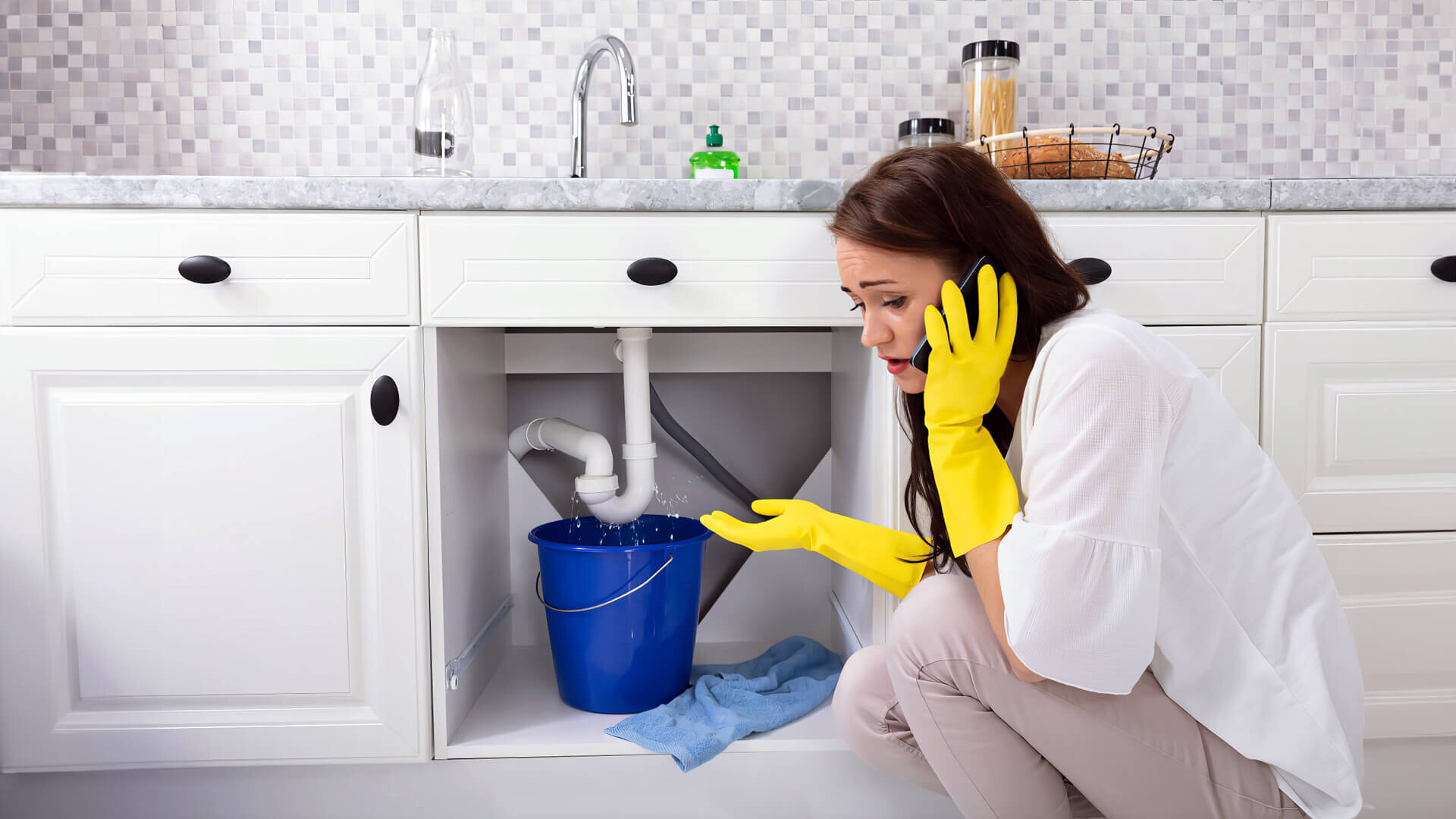
Burst pipes and sudden leaks
A split or disconnected pipe can release water quickly. Pipe age, corrosion, impact, movement, installation defects and pressure conditions may be relevant, but a burst does not by itself prove excessive household pressure.
If it is safe, isolate the water and move belongings away from the flow. Keep clear of sagging ceilings or wet electrical fittings, and arrange a plumber to locate the failure and assess the damage. See what can cause a pipe to burst for related context.

Sewage backup or a blocked drain
If sewage is backing up, stop using affected fixtures and keep children and pets away from the contaminated area. Avoid contact with wastewater and do not pour chemicals into the drain. A plumber can determine whether the blockage is within the property or further along the system.
For a blocked sink or floor drain without sewage exposure, reduce water use at that fixture and avoid repeated flushing or running taps. Persistent, recurring or multiple-fixture blockages need a professional assessment. Learn what a blocked drain may need.

Leaking taps and toilets
A dripping tap may waste water, while water escaping around a toilet can damage flooring and may signal a failed seal or waste connection. If water is spreading, isolate the fixture only when the valve is safe to reach. Do not remove a toilet or dismantle pipework.
Some narrow tasks, such as replacing a tap washer, are classified as unregulated in Queensland. Other plumbing work is regulated and must be done by an appropriately licensed person. Check the current QBCC homeowner guide before attempting any task.
When to call for help
Contact a licensed plumber for an active leak, sewage backup, recurring blockage, damaged pipe or work beyond a permitted minor task. Queensland classifies plumbing work into permit, notifiable, minor and unregulated categories; the correct pathway depends on the work.
For water reaching electrical equipment, stay out of the area. Contact an electrician or emergency service if power isolation cannot be done safely. If you smell gas, leave and follow Queensland gas safety advice instead of troubleshooting.


Reduce damage while help is arranged
Keep people clear, note where the water or wastewater appeared and avoid disturbing damaged fittings. Take photos from a safe, dry location if useful for the property owner or insurer. Repairs should address the cause, not just the visible water.
For urgent plumbing damage, use a licensed plumber. You can review emergency plumbing information and contact the provider when safe.


