

A smelly drain can come from residue near the opening, a dry trap water seal or a fault in the plumbing or sewer connection. Start with simple checks at the fixture; do not pour boiling liquids, mix cleaners, dismantle traps or climb onto the roof.
What can cause a drain odour?
Food, grease, hair or soap residue around a sink or grate can smell as it breaks down. A rarely used trapped floor waste may also lose water from its seal. That seal normally separates the room from sewer air; if it is dry or defective, an odour may pass through.
A damaged connection, defective toilet seal, drainage fault or sewer issue can also cause persistent smells. Because a smelly drain can come from a dry trap, biofilm build-up or a deeper sewer issue, identifying the source is the quickest way to fix it.

Try safe first checks
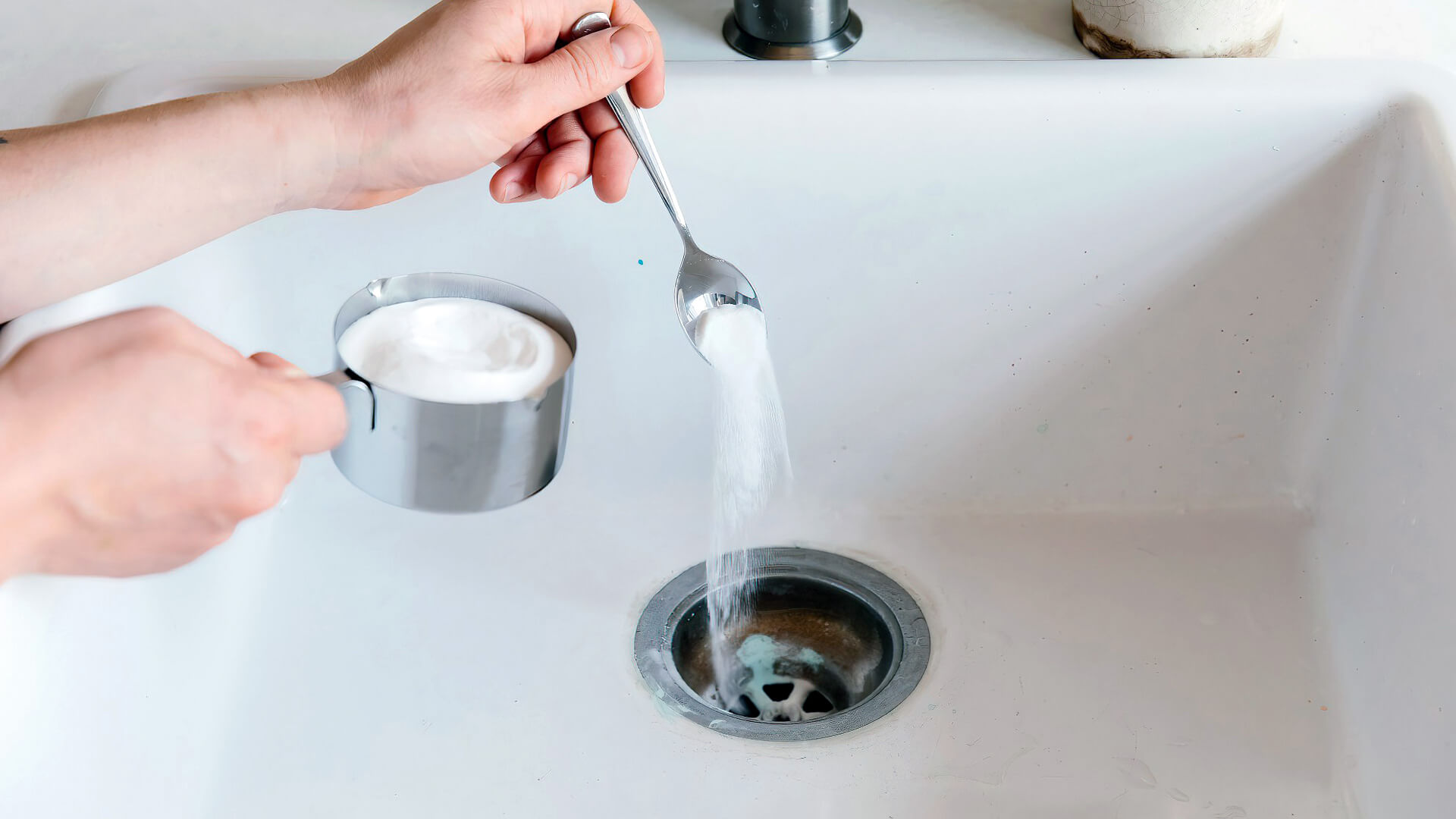
Clean visible residue from a sink strainer or surface grate without taking plumbing apart. For a seldom-used trapped floor waste, slowly add ordinary tap water to replenish the seal. Run water briefly through an infrequently used fixture. Do not pour boiling water, simmered vinegar, baking-soda mixtures or chemical cleaners into the drain as a treatment.
If a fixture is slow, stop adding water when it is backing up. Do not use a homemade wire hanger or push tools into the pipe. If you have used a chemical product, follow its label and do not add another product or plunge over standing chemicals.
When to contact a plumber
Persistent odour after replenishing a trap, recurring slow drainage, gurgling, water backing up or a smell from several fixtures needs assessment. A dry seal can recur if there is a leak or another drainage fault. Do not remove a P-trap, open sanitary pipework or clean a vent through the roof.
In Queensland, unblocking sanitary plumbing or drainage is minor regulated work and must be done by a licensed person. A limited unregulated task is cleaning or maintaining a ground-level grate; that does not include disassembling pipework or accessing a roof vent.
If sewage is backing up
Stop using affected fixtures and keep people and pets away from wastewater. Avoid contact and do not wash sewage into a stormwater drain. Contact a licensed plumber or drainer. If the issue may involve public sewer infrastructure, contact the water service provider or council responsible for the property.
Prevent avoidable odours
- Use strainers: Keep food scraps, hair and solids out of household drains.
- Use fixtures: Run water through seldom-used trapped drains from time to time.
- Watch for changes: Note when the smell starts and which fixtures are affected.
- Escalate faults: Have blockages, leaks and damaged seals checked by a licensed plumber or drainer.
QBCC explains which plumbing work is regulated, including unblocking sanitary drainage. For a persistent drain odour, contact Big Blue Plumbing or call (07) 5404 9354 to book a drain inspection.


