

A sharp bang after a tap or appliance closes can be consistent with water hammer, a pressure surge associated with a sudden change in flow. Other pipe noises can have different causes, so the sound alone does not identify the fault. In an apartment or strata building, the source may be in a fixture, a lot’s pipework or shared infrastructure.
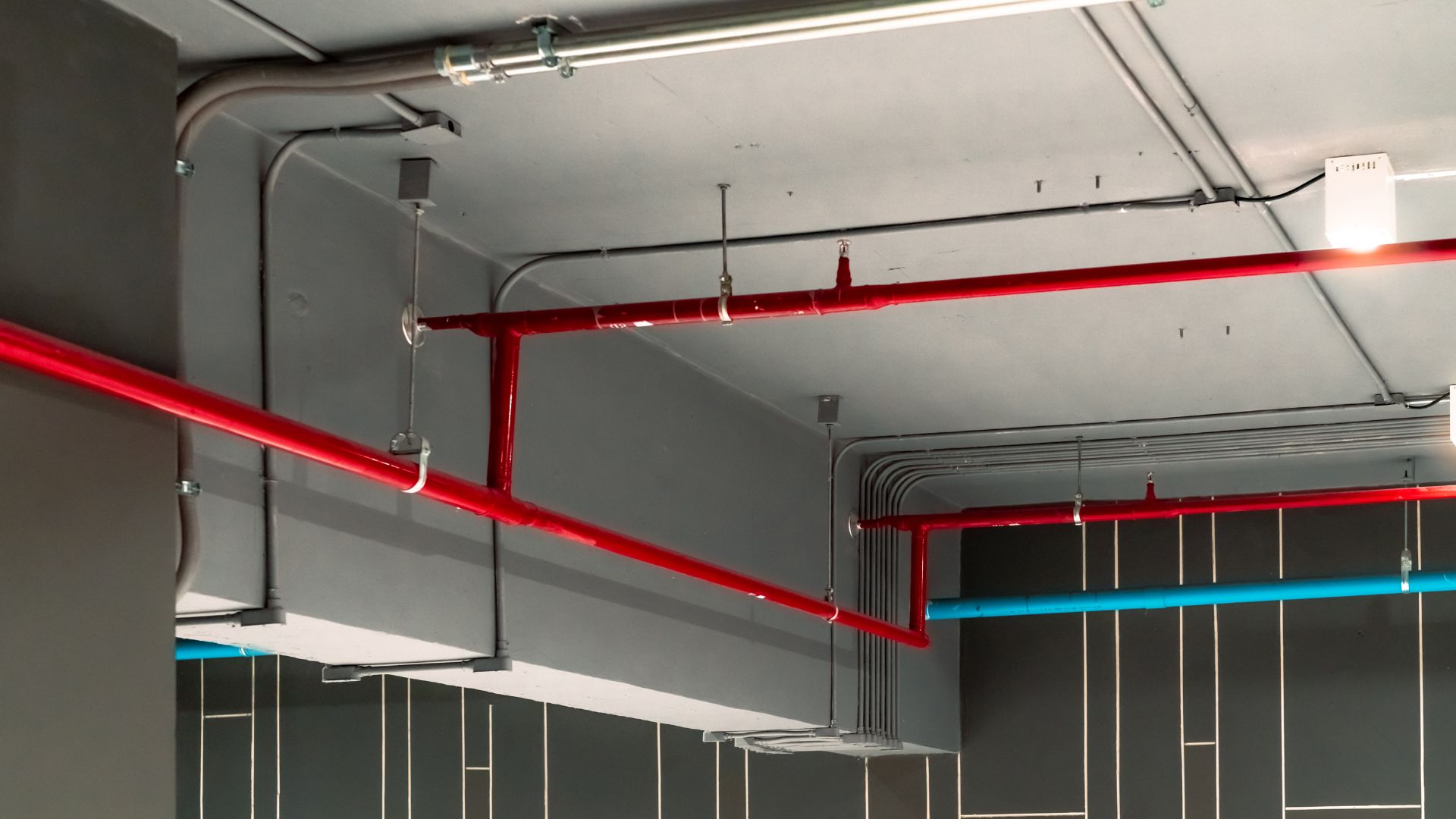
What to record before arranging an inspection
- When the noise happens and whether it follows a tap, toilet cistern, washing machine, dishwasher or another event.
- Where it is loudest, without opening a wall, ceiling, riser cupboard or service panel.
- Whether other units or common areas have the same noise, vibration or change in water supply.
- Whether there is a visible leak, new dampness, a change in flow or recent work on the building’s plumbing.
Do not deliberately trigger repeated bangs to test the system. A short written log and reports from affected residents are more useful than guessing that the whole building has high pressure.
Possible causes a plumber may investigate
Water hammer can be associated with a quick change in flow, including a fast-closing valve. Loose or poorly supported pipework can also make a noise, while a failing appliance valve or another plumbing fault may produce similar sounds. High water pressure may be relevant in some systems, but a bang does not prove that pressure is too high or that a particular valve has failed.
Watts describes its water-hammer arrestors as absorbing shock caused by sudden flow changes. That is one product approach; selection and location depend on the actual pipe layout, pressure and cause. Read the manufacturer’s water-hammer arrestor information.

Why strata buildings need a coordinated investigation
A noise heard in one lot does not establish where the pipe is or who is responsible for it. Queensland body-corporate maintenance responsibilities depend on the boundaries shown in the registered survey plan and the scheme’s regulation module. The body corporate generally maintains common property and lot owners maintain their lots, but the exact boundary and circumstances matter. Notify the body corporate manager or property manager before arranging work on shared services.
Queensland’s body-corporate maintenance guidance explains how to identify common property and lot boundaries. Ask the manager to coordinate access and confirm who has authority to approve an inspection or repair.
What an assessment may involve
A licensed plumber may ask residents about the timing of the noise, inspect accessible fixtures and pipework, and measure pressure or examine valves where relevant. In a strata building, a suitable inspection may need access to more than one lot or shared plant. The plumber should explain the findings and proposed scope to the party who authorised the work.

Possible repairs depend on the cause
Depending on the findings, a plumber may recommend checking or servicing a fixture valve, addressing a support issue, assessing pressure, or installing a correctly selected arrestor. Do not alter a pressure-limiting valve or tighten pipework inside a ceiling or riser cupboard. In Queensland, regulated plumbing work must be carried out by an appropriately licensed person.

If banging is accompanied by a leak, water damage or a significant loss of supply, report it promptly through the building’s repair process. For a non-urgent recurring noise, record the symptoms and ask the manager to arrange an assessment. The noise itself does not guarantee pipe damage, an impending burst or a strata-wide fault.
For a private plumbing concern, send Big Blue Plumbing an enquiry with the property location, affected fixtures and the times the noise occurs. If the system may be common property, involve the body corporate or property manager before work is authorised.
Frequently asked questions
Does every bang mean water hammer?
No. Water hammer can follow a sudden change in flow, but loose pipework, a faulty valve or other building noises may sound similar. A plumber needs to assess the actual system before confirming the cause.
Can a water-hammer arrestor solve it?
An arrestor can absorb shock in a suitable installation, but it is not the answer to every noise. A plumber should identify the cause and select the type and location for the relevant pipework.
What should residents do if several units hear the noise?
Record when it occurs and which fixtures or areas are affected, then notify the body corporate manager or property manager. Do not open shared risers or adjust valves. The manager can confirm access and authorisation for a coordinated plumbing inspection.
Does the lot owner or body corporate pay for plumbing work?
Responsibility depends on the lot and common-property boundaries in the scheme’s survey plan and its regulation module. Ask the body corporate manager to check the registered documents and confirm who is authorised to arrange the work.


