

A plumbing fault at a shop, office, hospitality venue or managed property can affect more than one fixture. The first job is to understand the fault, who controls the affected area and what access is available. A clear brief helps the contractor assess the right scope and the business plan around any interruption.

What to include in a commercial plumbing request
When arranging an assessment, share the property address, the affected area, what has changed, when it started and whether the issue is getting worse. Useful details include safe access hours, site induction or sign-in rules, parking or loading restrictions, security contacts and any areas that must stay open. Photos taken from a safe position can help explain the symptom, but they do not replace an inspection.
For a multi-tenant or managed building, confirm who can approve work and whether the affected pipework or fixture serves other occupants. If a leak is near electrical equipment, sewage is backing up, or the issue could affect drinking water, keep people clear and contact the appropriate emergency or utility service as well as a plumbing contractor.
Match the scope to the system
Commercial sites may have hot and cold water services, sanitary drainage, trade waste, roof drainage, testable backflow devices and gas appliances. A visible symptom does not identify the cause or the required trade. Ask the contractor to explain what has been checked, which parts of the system are included and whether a separate specialist, property owner or service authority needs to be involved.
Queensland regulated plumbing and drainage work must be completed by an appropriately licensed practitioner. The QBCC explains the permit, notifiable and minor work categories. Gas work has its own licensing requirements. Check the proposed scope against the relevant licence and any site-specific approvals before work begins.
Agree access, timing and price before work starts
For commercial work, agree how the contractor will access the area, protect staff and customers, isolate services if needed and keep you updated. A planned maintenance visit can also record the asset, observed condition, work completed and any follow-up recommendation. The inspection interval should suit the equipment, manufacturer instructions, site risk and applicable requirements rather than an unsupported one-size-fits-all schedule.
Big Blue Plumbing offers 24/7 emergency service and enquiries. Response and attendance timing depends on demand, location and job, and is confirmed when booking. There is no call-out fee to attend and quote unless advised in advance. A fixed price is provided for the agreed scope before work starts; any additional work is explained and priced for approval.
Keep the handover useful
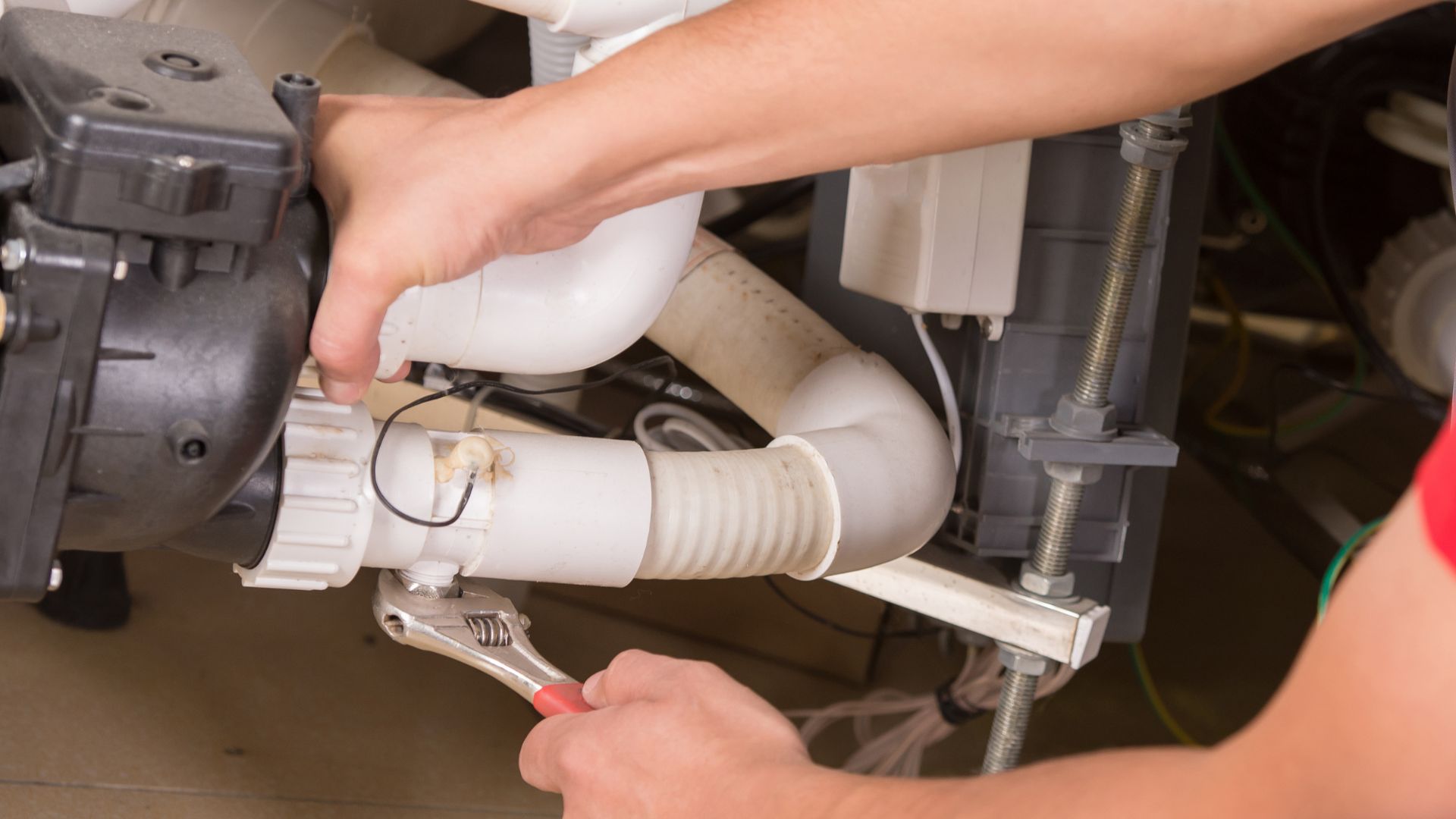
Before closing out a job, ask what was found, what was repaired, whether any test or certificate applies, and what remains outside the agreed scope. Keep the quote, approval, service notes, test results and any compliance documents with the property's maintenance records. If the issue returns, those records give the next contractor a clear starting point.
To discuss a commercial plumbing issue on the Sunshine Coast, send Big Blue Plumbing an enquiry with the site and access details.


