

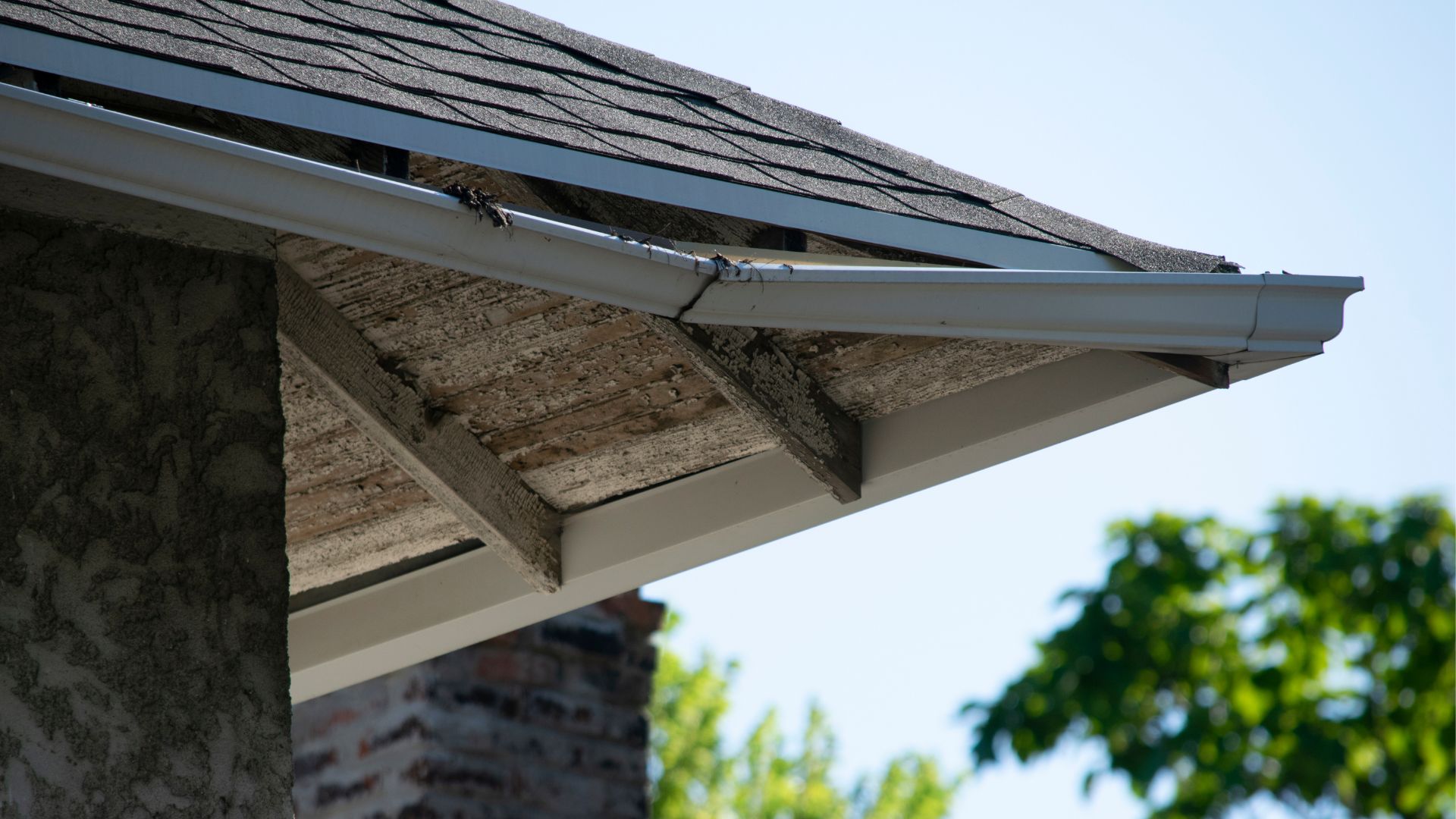
A ceiling stain, damp wall or gutter overflow can have several causes. Water may enter through roof sheeting or tiles, flashing, a gutter joint, a blocked downpipe or another part of the building. The visible drip may be some distance from the entry point, so avoid assuming that the nearest fitting is the cause.
Make the area safe first
If water is near lights, wiring, a switchboard or electrical equipment, keep clear and do not touch wet fittings. Contact a licensed electrician or emergency service if there is an electrical hazard. If a ceiling is bulging, sagging or shedding material, keep people out from underneath it. Move portable belongings only where it is safe to do so and place a container under a small drip only if there is no electrical or structural risk.
Do not climb a ladder or walk on a roof to inspect or patch a leak. Wet, sloping and damaged surfaces can be unstable, and roof work has serious fall and electrical risks. WorkSafe Queensland explains the hazards of working on roofs and in ceiling spaces. Keep a safe distance from overhead powerlines and leave roof access to people with suitable equipment and controls.
Record what you can see from the ground
Note when the leak appears, whether it follows rain or appliance use, which rooms are affected and whether water is coming from a ceiling, wall or gutter edge. Photos from inside or from ground level can help explain the pattern. Do not enter a ceiling space or remove building materials to trace it.

Roof covering, flashing, gutters and downpipes may require different trades or approvals. Describe the observed symptom and ask who is responsible for each part of the proposed work. For plumbing and drainage work in Queensland, confirm the applicable licence and approval category with the contractor and relevant authority. Do not assume every roof leak is a plumbing fault.
After storms or severe weather
Wait until conditions are safe before inspecting outdoors. Stay clear of fallen trees, unstable structures, floodwater and downed powerlines. The Sunshine Coast Council lists the State Emergency Service on 132 500 for severe storm damage assistance, and our licensed roof plumbers are available on (07) 5404 9354 for roof and gutter leak repairs. Follow current local warnings and emergency instructions.

Arrange an assessment
A contractor can inspect the accessible parts of the building, explain what they can and cannot confirm, and set out the proposed work. Ask for the scope, access arrangements, price and any exclusions in writing before work begins. Big Blue Plumbing provides 24/7 emergency service and enquiries; response and attendance timing depends on demand, location and job, and is confirmed when booking.
When it is safe to do so, send Big Blue Plumbing an enquiry with your location, the visible symptom and when it occurs.


