

A bidet toilet seat can add washing, temperature or comfort functions, but models differ in size, water connection and electrical requirements. Check the specific product and your bathroom before buying. This guide helps you prepare for an installation; it is not a do-it-yourself plumbing or electrical procedure.
Check the toilet and available space
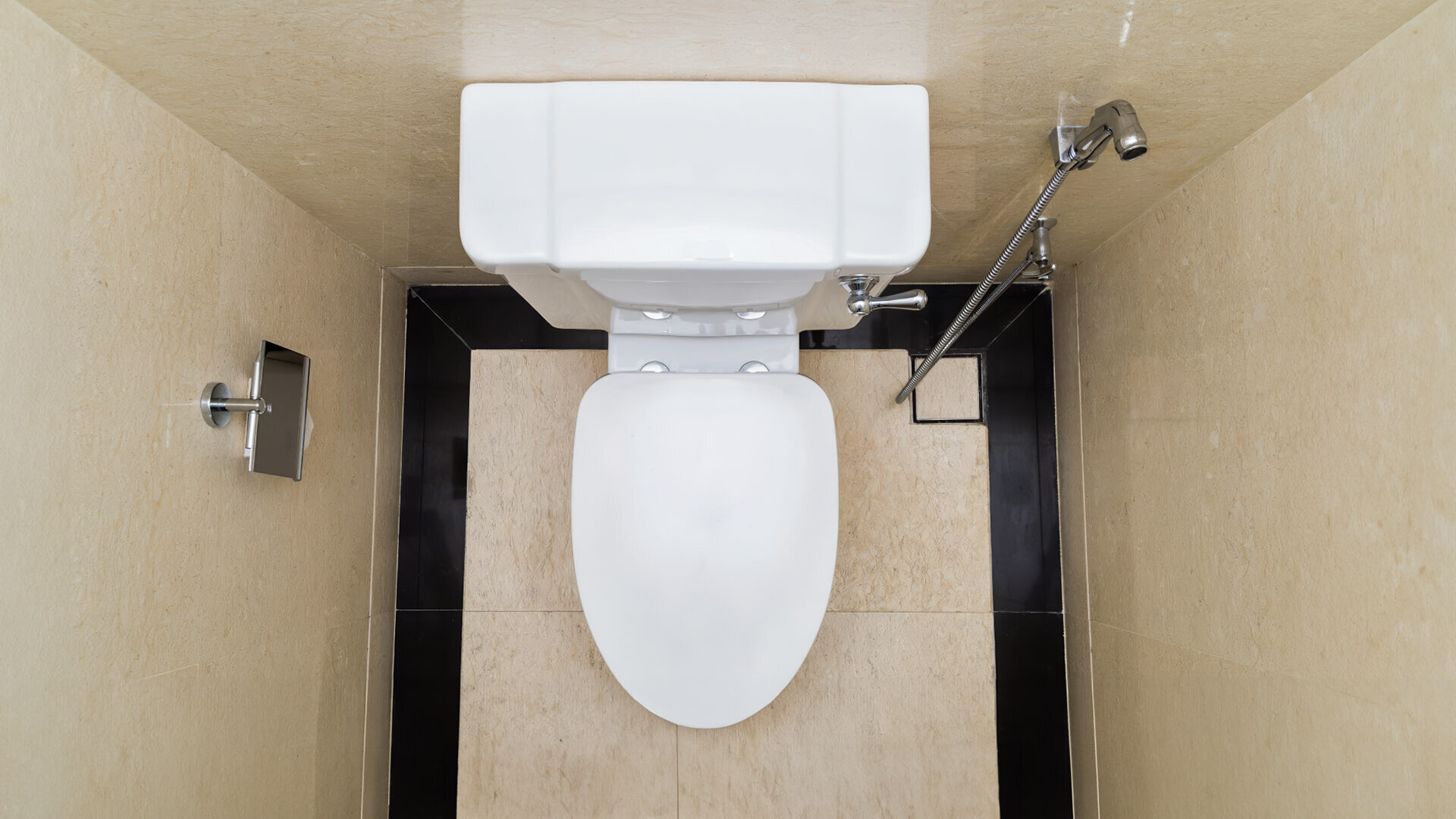
Measure the toilet bowl and the distance between the seat fixing points. Compare the shape and dimensions with the seat manufacturer’s compatibility guide. Check that the cistern, wall, side cabinetry and door leave enough room for the seat, controls and any removable parts. A photograph or model number for the toilet can help the supplier confirm compatibility.
Check whether the product is a non-electric attachment, an electric seat or a complete toilet suite. Read the installation manual for the required water source, connection size, minimum clearances, power supply and any restrictions on the existing toilet. Do not assume a universal seat or connector will suit every fixture.

Confirm the plumbing requirements
For a toilet douche seat, verify WaterMark certification before purchase; Queensland guidance also requires its listing in the WaterMark Product Database to WMTS-051:2021.
A water connection to a toilet seat can involve altering the fixture’s water supply or installing a new fitting. Queensland’s QBCC regulated plumbing guidance states that regulated plumbing and drainage work must be carried out by a licensed plumber or drainer. Ask a licensed plumber to review the product instructions, existing isolation valve, required fittings and any applicable backflow requirements before work starts. Do not remove the existing connection, fit a tee or use thread tape based on a generic online diagram.
Have the installer explain how the supply will be isolated, what components will be used and how the completed connection will be checked. If a valve is seized, corroded or inaccessible, raise that before installation is booked.
Check the electrical arrangement
Some bidet seats need electrical power; others do not. Use only the electrical arrangement allowed by the product manufacturer and applicable safety requirements. Do not use an extension lead as a permanent bathroom installation. If a new outlet, circuit or hard-wired connection is needed, Queensland’s Electrical Safety Office says all electrical work must be done by a licensed electrician. The electrician can assess the bathroom location, circuit and required protection.
Use the product instructions and keep the records
After installation, keep the product manual, warranty, invoice and details of the plumbing and electrical work. Follow the manufacturer’s instructions for cleaning and routine checks. If the seat leaks, the power lead or outlet is damaged, or the product behaves unexpectedly, stop using it and contact the appropriate licensed professional or manufacturer. Do not open the unit or continue using a wet or damaged electrical connection.
To discuss a toilet plumbing enquiry, contact Big Blue Plumbing with the toilet model and seat instructions.


