

A burst water pipe can cause rapid flooding or a concealed leak. This guide covers immediate steps and what to expect from a repair. In Queensland, repairing a burst water pipe is regulated plumbing work that must be carried out by a licensed plumber.
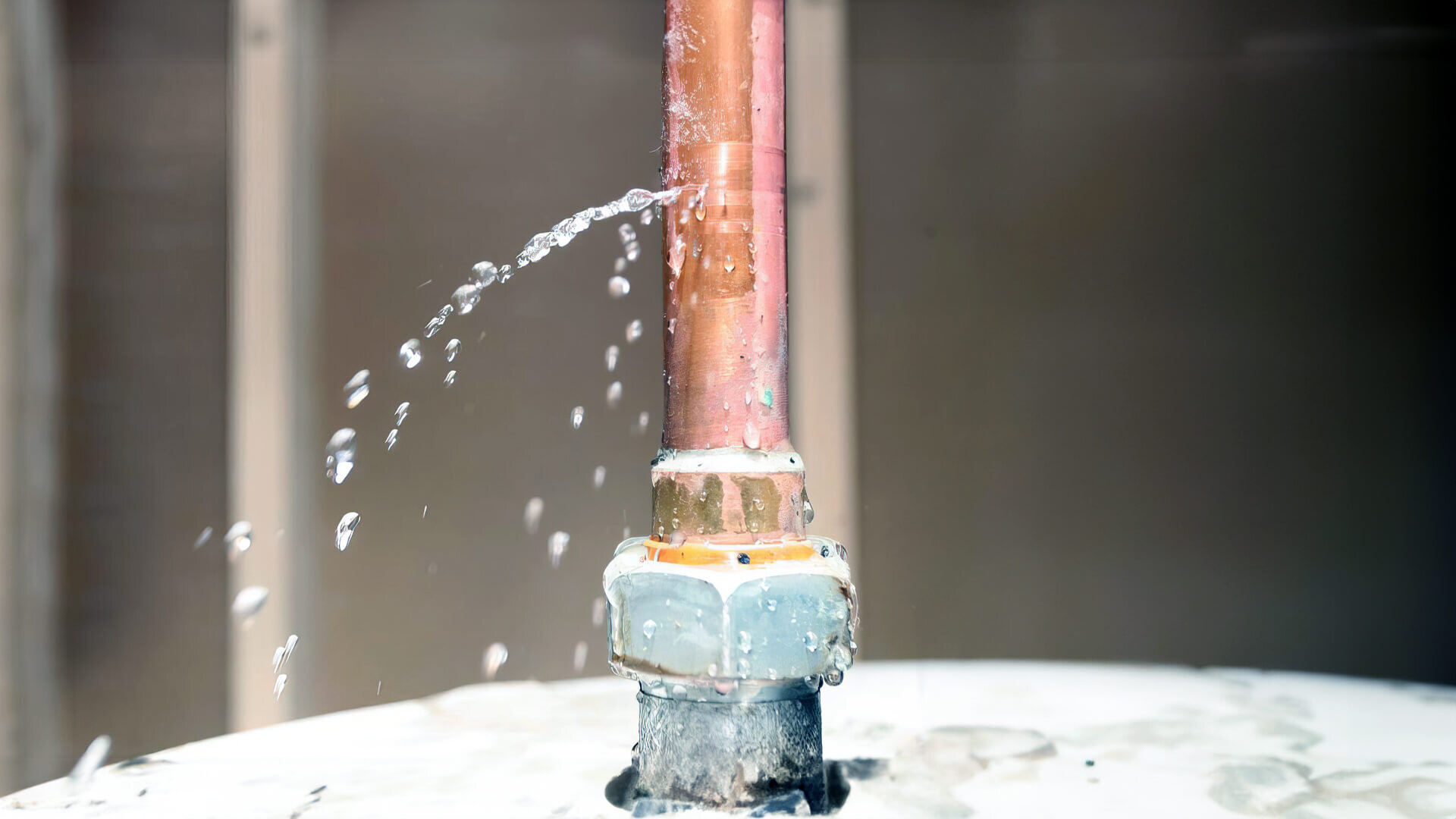
Possible signs of a burst or leaking pipe
Look for visible water escaping from a pipe, unexplained wet patches, a ceiling stain, pooling, or a water meter that moves when taps and water-using appliances are off. A sudden change in flow or pressure can also be a clue, but has other possible causes. Discoloured water, an odour or a blocked fixture does not by itself show that a supply pipe has burst.

What to do first
- Keep clear of electrical hazards. If water is near a switchboard, power point, appliance or wiring, do not enter the wet area or touch switches or equipment. Keep others away and contact emergency services if anyone is in immediate danger.
- Stop the water only if safe. Use a clearly identified, accessible shutoff valve if you know how it operates. Do not enter a flooded area, climb into a ceiling or force a seized valve. See our main water shutoff.
- Contact the responsible provider or a plumber. In the Sunshine Coast area, Unitywater manages water supply and sewerage infrastructure. Contact Unitywater’s faults and outages team about a suspected public main or network fault; a leak on private property is the owner’s responsibility. If unsure, ask the provider which side of the meter is affected.
- Limit further damage only where safe. Move people and belongings away from water. Do not touch wet electrical items or attempt to patch a pressurised pipe with tape, a clamp or sealant.

Why pipe replacement needs a licensed plumber
Replacing a damaged section is not simply a matter of matching the visible diameter. The plumber must identify pipe material and pressure or temperature rating, determine the extent of damage, select compatible fittings and make a compliant repair. Hidden pipework, corrosion, access constraints and water damage can change the scope. Do not cut, glue, solder or clamp the pipe yourself.
QBCC classifies repair of a broken or damaged pipe as minor plumbing work, but minor work still must be done by a QBCC licensee. Read the regulator’s regulated plumbing work requirements. A leak inside a wall, ceiling or floor may also need building or electrical assessment after the plumbing fault is controlled.

What to tell the plumber
Describe where water is appearing, when it started, whether it changes when fixtures are used, and whether you could safely isolate the supply. Share photos taken from a dry, safe position. Do not remove wall linings or enter a roof space to find the pipe.
Ask for the proposed scope and price before work starts. The repair approach and timing depend on access and pipe condition. Contact Big Blue Plumbing to make a plumbing enquiry.

Can I replace a burst pipe myself?
No. In Queensland, repairing a broken or damaged water pipe is regulated plumbing work, even where the damaged section is visible. Use a QBCC-licensed plumber or drainer. The limited homeowner exceptions do not include replacing a burst pipe.
What if the water meter keeps moving?
With taps and water-using appliances off, a moving meter can indicate flow somewhere downstream of the meter, but it does not locate the leak. If the meter itself or public network may be involved, contact the water service provider. If the fault is on the property’s plumbing, arrange a licensed plumber.
Does low pressure prove a pipe has burst?
No. Low pressure can have several causes, including a supply interruption or a fixture issue. Check the water provider’s outage information and seek an assessment if you can see a leak or the problem persists.


