

Pipe material is only one part of a plumbing product’s suitability. A pipe or fitting must be appropriate for its intended service and installation conditions. Drinking-water supply, hot water, gas and drainage have different requirements.
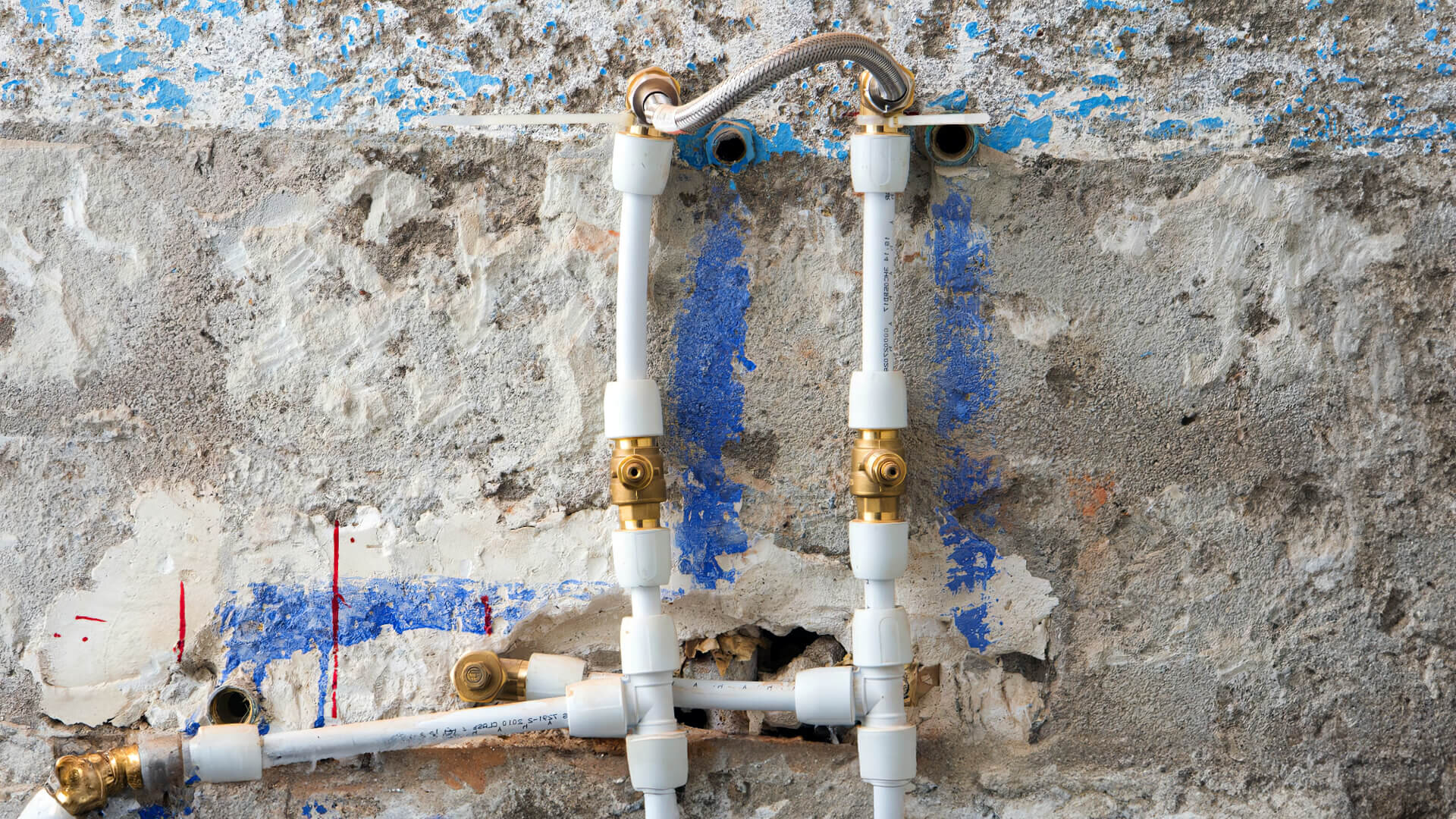


What to check before choosing pipe
Confirm the product is approved for the intended use, including applicable WaterMark certification or other evidence of suitability. Check pressure and temperature limits, compatibility, installation method and exposure to sunlight or physical damage. Follow product instructions and current Queensland plumbing requirements.
Materials such as copper and approved polymer piping are used in plumbing, but suitability depends on the particular product and application. A material name alone does not show that a pipe is suitable for drinking water, hot water, outdoor use or a specific drainage system.
Renovation considerations
For a kitchen or bathroom renovation, identify which pipes carry potable water, hot water, gas or wastewater. Existing pipework, connections, operating conditions and the approved system design affect selection. Do not choose a material by room or appearance alone.
Outdoor installations need products rated for their exposure. Do not assume a pipe is UV-resistant because of its material; some products require protection specified by the manufacturer.
Get the material specified for the job
Ask a licensed plumber to identify the intended service and explain relevant ratings and compliance requirements. Plumbing and drainage work in Queensland must be carried out by an appropriately licensed person where required.
For a renovation, specify materials for the actual system and product documentation, rather than a one-size-fits-all room recommendation.
See the ABCB WaterMark Certification Scheme and Queensland licensed-contractor guidance.


