

When a drain or sewer pipe is damaged, the repair may involve accessing the pipe from an excavation or from existing openings. Pipe relining is another option for some systems: a liner is installed inside the existing pipe and cured to form a new internal surface. It can reduce the need to expose long sections of pipe, but it does not remove every need for access or make every damaged pipe suitable for lining.
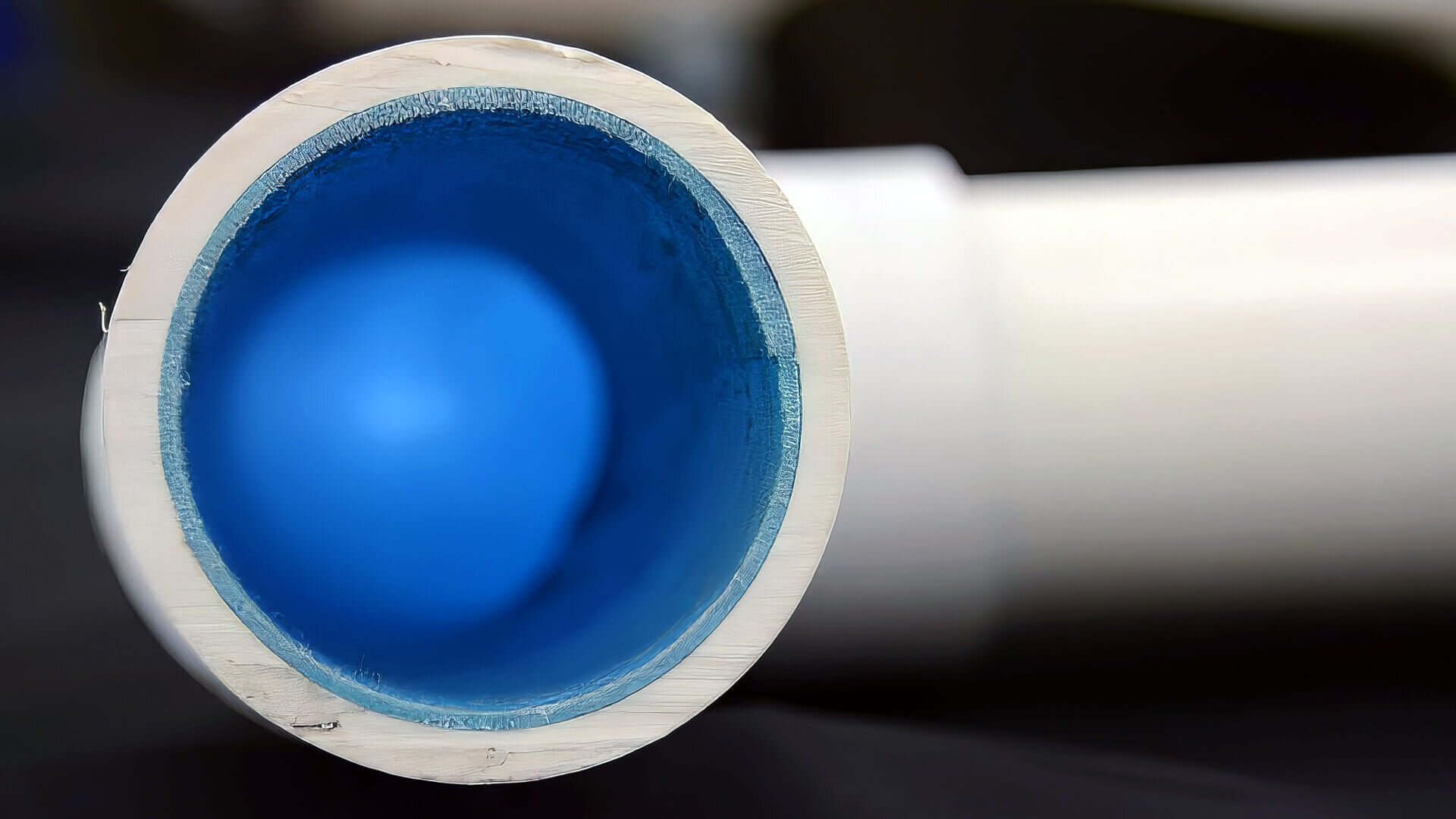
What pipe relining means
One common method is cured-in-place pipe (CIPP). The Australian Building Codes Board describes CIPP as a resin and compatible fibrous material placed inside a damaged non-pressure drainage or sewer pipe, expanded against the host pipe and cured in place. The product's application limits matter: the technical specification requires the manufacturer to state them, and installation is for trained personnel licensed in the relevant jurisdiction. Read the ABCB WaterMark specification for CIPP for the product scope.

The exact method varies by system and pipe. A contractor should explain what the inspection found, how the line will be prepared, how the liner will be installed and cured, and how any branch connections will be restored. Some relining systems use a resin liner; other rehabilitation methods use a formed or inserted pipe. The term alone does not identify the material or the repair scope.
How an assessment and installation may work
- Inspect the line. A camera survey can help locate defects, connections, bends and access points. The contractor should say which length is damaged and whether the pipe is suitable for the proposed method.
- Prepare the pipe. Debris or obstructions may need to be cleared so the liner can be installed as designed. A collapsed, severely distorted or inaccessible section may need a different repair.
- Install and cure the liner. The chosen product is positioned and cured according to its system requirements. Temporary flow management or access work may be needed.
- Reopen connections and inspect. Where branches join the lined section, the contractor should explain how those connections will remain open. A post-work camera check can document the result and identify any issue needing attention.

Why consider it, and what are the limits?
Less surface disruption in a suitable location
When a liner can be installed through existing access points, it may avoid opening a long trench or removing finished surfaces across the whole pipe run. It can still require excavation or other access work at an entry point, branch or damaged area. The actual amount of reinstatement depends on the pipe and site.

Before pipe relining begins, ask your plumber where the crew will need access points and whether any landscaping or paving will need to be opened.
A liner can rehabilitate some damaged pipes
A correctly selected and installed liner can create a continuous internal barrier through a suitable section. It does not prove that the entire drainage system is sound, prevent every future blockage or make unrelated branches defect-free. The finished liner also occupies space inside the existing pipe, so the design and product must suit its diameter and condition.


Material, access and condition decide suitability
Pipe shape, diameter, material, bends, junctions, access and the location and extent of damage affect what can be lined. A cracked or leaking pipe may be a candidate; a crushed, badly collapsed or obstructed section may not be. The contractor should explain any limitation instead of assuming relining is the answer for every blockage or leak.

Do not rely on a universal lifespan or price claim
Cost, installation time and service life depend on the selected system, pipe condition, access and installation quality. A broad figure such as a fixed lifespan or a guaranteed saving is not a substitute for a product-specific design and warranty. Get the proposed material, work length, exclusions and warranty terms in writing.
Queensland licensing and the quote
QBCC's guide classifies pipe relining as minor work. Minor regulated plumbing and drainage work must still be performed by an appropriately licensed person, even though it does not need local-government approval or QBCC registration. Check the QBCC guide to plumbing work categories and regulated plumbing work requirements before proceeding.
Before approving a quote, ask:
- Which pipe and exact length did the inspection identify?
- Why does this liner suit the pipe material, shape and defect?
- Is the product WaterMark certified, and where are its application limits stated?
- What access, cleaning, curing time or temporary flow controls are needed?
- How will branch connections be reinstated and checked?
- What post-installation inspection, product information and job records will I receive?
- What warranty applies to this product and installation, and what does it exclude?

A repaired pipe can help address a leak or defect, but relining is not a blanket guarantee against sewage escaping elsewhere. If you see wastewater leaking from a drain, keep people away and have the source assessed.
Common questions
Is pipe relining always trenchless?
No. Some installations use existing access, while others need an excavation or additional access work. Ask the contractor to identify where the crew will work and what surfaces may be affected.
Can every blocked drain be relined?
No. A blockage needs diagnosis first. Lining may suit some defects after the pipe is inspected and prepared, but a collapsed, severely deformed or inaccessible section can need a different repair.
Will it last for a set number of years?
There is no single lifespan that applies to every product and installation. Ask for the manufacturer's stated application limits and written warranty for the specific liner proposed.
Discuss the repair options


If a drain inspection has identified a damaged section, contact Big Blue Plumbing to discuss the condition, access and available repair options. The team will explain the proposed work and price before it starts.


