

A drain that blocks repeatedly or shows signs of damage may need more than a quick clearing. A CCTV inspection lets a plumber view parts of the pipe interior and record what the camera can reach. The footage can support a repair plan, including a decision about whether pipe relining is suitable. It is a diagnostic aid, not a guarantee that every defect will be visible or that relining will be the right repair.
What is a CCTV pipe inspection?
A drain camera is attached to equipment that a trained operator guides through an accessible opening. The camera sends images from inside the pipe to a screen. Depending on the pipe, access and camera, the operator may see deposits, root entry, cracks, open joints or other visible conditions.
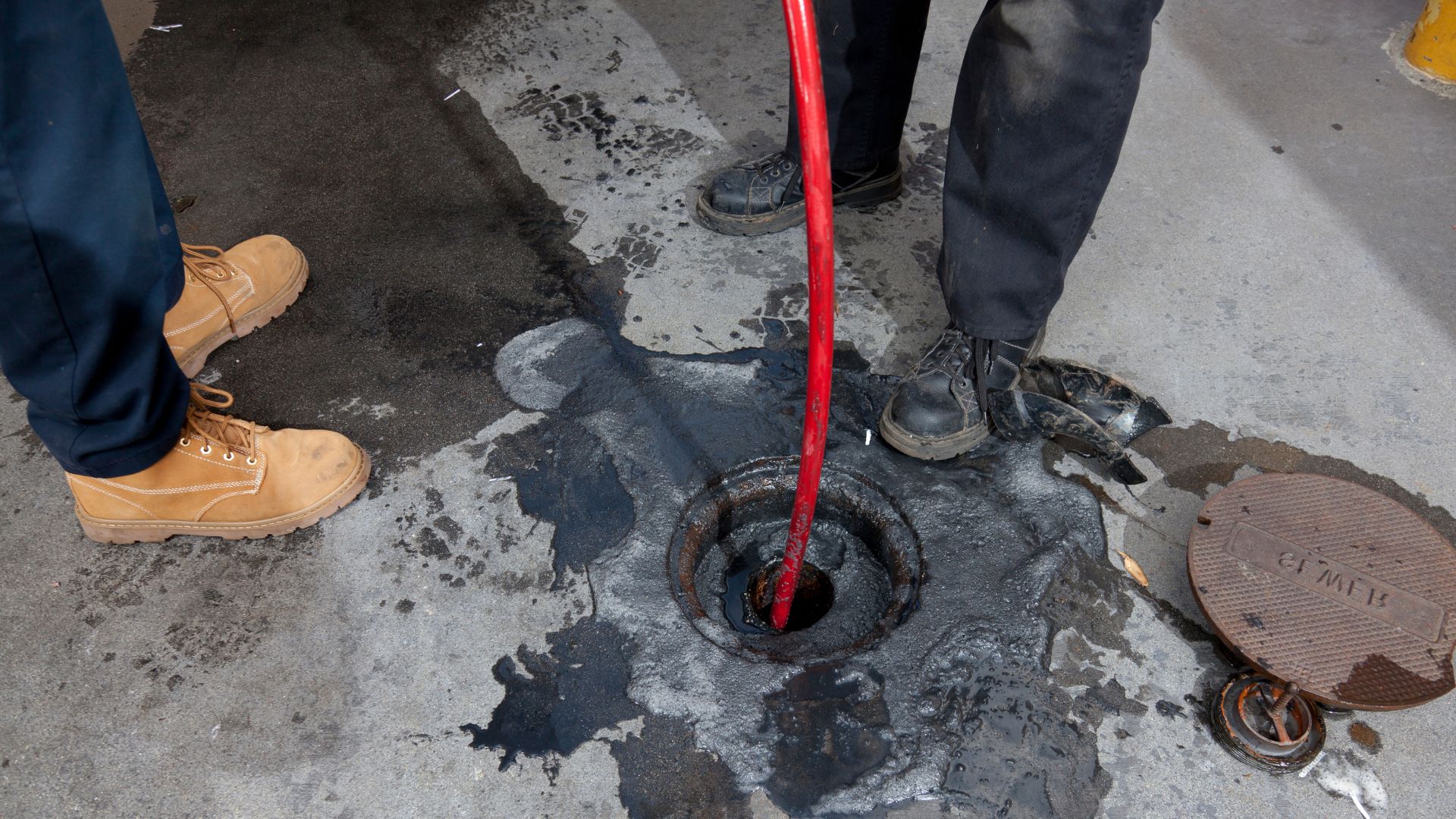
The camera only shows the sections it can safely reach. A blockage, sharp bend, collapse, standing water or poor access can limit the view. A video image may suggest a fault but cannot always show why it happened or what is happening outside the pipe wall.
Why inspect before deciding on a repair?
Slow drainage, recurring blockages and damp areas have several possible causes. A camera inspection can give the plumber direct evidence from inside the pipe rather than relying on symptoms alone. The findings help decide whether further cleaning, a local repair, relining, excavation or another option needs consideration.

1. Locate visible defects
The operator may identify a visible crack, root entry, displaced joint, build-up or damaged section. The footage should be interpreted with the pipe layout, material and access in mind. It does not prove the cause of every symptom or measure the condition of parts the camera cannot reach.
2. Check access and the proposed liner route
Relining systems have their own requirements for host-pipe condition, dimensions, bends, access and installation method. Inspection footage can help the licensed contractor assess these factors, but a camera view alone is not a design approval. If the pipe is collapsed or too distorted, replacement or excavation may need to be considered.
3. Match the repair to the evidence
Relining is not automatically the best option for every crack or blockage. A plumber should explain what the video shows, what remains uncertain, and why the proposed repair suits the site. Ask for the recommended scope and price before chargeable work begins.
How a CCTV inspection usually works
The exact process depends on the pipe and the equipment. A licensed plumber or drainer may:
- identify a suitable access point and discuss what the inspection can cover;
- clear an obstruction if needed and if the pipe can be accessed safely;
- guide a camera through the accessible section while observing the image;
- record relevant locations and visible conditions where the equipment allows; and
- explain the findings, limits and suitable next steps.

Opening a drain, clearing a blockage and using inspection equipment are not homeowner tasks. In Queensland, unblocking sanitary plumbing or drainage is minor regulated work and must be performed by a QBCC licensee. Check the QBCC guidance on regulated plumbing work.
What CCTV can and cannot tell you
Footage may help show where an internal obstruction or defect appears and whether a section seems suitable for a closer assessment. The view can be incomplete, and the camera may not reach the whole line. It cannot show external soil conditions, certify the whole plumbing system or promise that a relined pipe will never need attention again.
Ask for the inspection findings in plain language. Useful questions include: which section was inspected, where did access stop, what was observed, what remains uncertain, and what alternatives were considered? If relining is proposed, ask which system and installation method are being recommended and what product-specific limits apply.
When to ask about an inspection
A CCTV inspection may be useful when a licensed plumber needs to investigate recurring drainage symptoms or assess pipework before a repair. The right diagnostic method depends on the fault and access. If you are dealing with a plumbing problem, contact Big Blue Plumbing to request an assessment. The team can discuss the issue and confirm the next step.


