

A slow drain, gurgling fixture, sewage odour or wastewater appearing near an onsite system can indicate a problem. These signs do not identify the cause on their own. A septic or onsite wastewater system includes connected plumbing, a treatment tank and a land application area, and faults can occur in different parts.
Possible causes
- Blocked or damaged plumbing: a blockage, broken pipe or root intrusion can restrict flow between the building and system.
- High water use: unusually heavy demand can exceed the system’s capacity or expose an existing fault.
- Tank or filter problems: a full tank, blocked filter, damaged baffle or pump fault may affect how wastewater moves through the system.
- Saturated or flooded soil: the land application area may not accept wastewater when the soil is saturated. Flooding can also damage components or carry silt into the system.
- Installation, age or maintenance issues: the design, condition and maintenance history affect how the system performs.
Roots can enter damaged joints or cracks, but they do not establish that the tank itself has failed. A site inspection is needed to locate the issue.

What to do during a backup
Reduce water use while the system is being assessed. Avoid flushing toilets, running washing machines or taking long showers if doing so adds wastewater to an already failing or flooded system. Keep people and pets away from sewage, wet areas and open or damaged covers. Do not touch electrical equipment that may have been flooded.
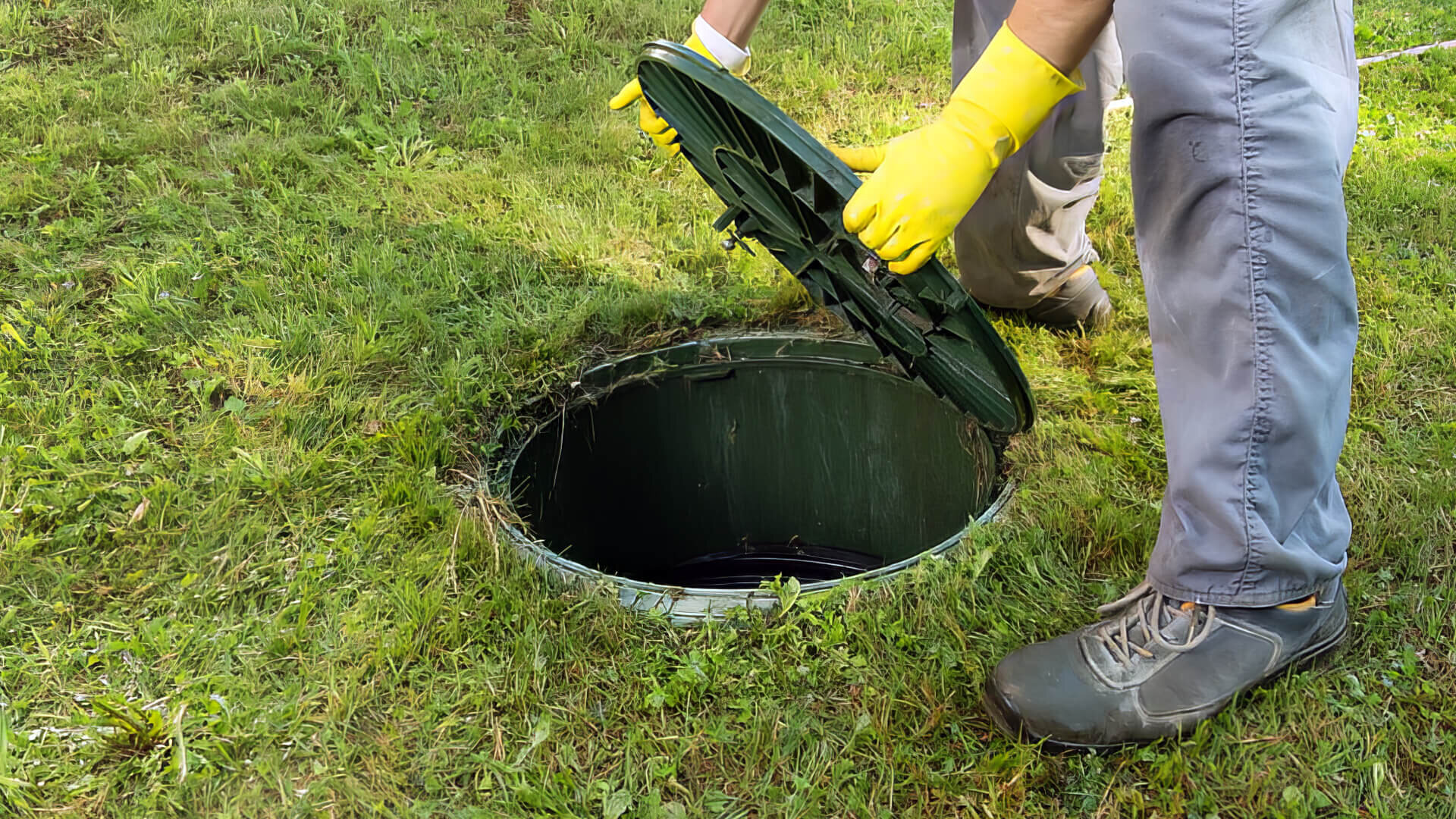
Do not open or enter a tank, dig up the tank or absorption area, build drainage channels, jet or auger system components, or pump a flooded system as a DIY response. Saturated soil and system conditions matter; pumping at the wrong time can damage a tank or pipes. Septic tanks can contain dangerous gases. Ask a suitably licensed Queensland plumber or onsite sewage facility specialist to inspect and advise what work is appropriate. Contact your local council for property-specific onsite wastewater requirements.
If wastewater has entered living areas, stop using household taps and toilets, avoid direct contact, and call a licensed plumber and drainer on (07) 5404 9354 to clear and inspect the line.

Rain and saturated ground
After heavy rain, reduce water use and keep vehicles and heavy equipment off the land application area. Do not assume extra surface drains will fix a wastewater system; changing site drainage can affect neighbouring land and the system itself. Wait for conditions to recede and get a professional assessment before any pumping, excavation or repair.

Everyday care
Use water efficiently and follow the system manufacturer’s and local council’s maintenance guidance. Put only toilet paper and human waste in toilets, and keep fats, oils, wipes and other rubbish out of drains. Follow product labels and system-specific advice for cleaning products; ordinary antibacterial soap alone does not prove why a system has backed up.
Inspection and desludging intervals depend on the system, household use and local requirements. Have the system checked when its guidance calls for it or if warning signs appear. Onsite sewage maintenance in Queensland requires the appropriate licence. The QBCC explains regulated plumbing and onsite sewage work; also check your local council’s guidance.


Arrange the right assessment
When requesting help, describe the symptoms, when they started, recent rainfall, water use and any known system history. Ask what parts will be inspected and whether the provider holds the licence required for the work. Do not assume pumping, jetting or replacement is appropriate until the cause and site conditions have been assessed.
For other drain problems, see our guides to blocked drains and disposing of cooking grease. Need help with a septic or drainage issue? Contact Big Blue Plumbing or call (07) 5404 9354 to book an on-site inspection.


