

A toy, personal item or other solid object can lodge in the toilet’s curved trap. Repeated flushing may raise the water level or move the object farther along the drain. If a flush is not clearing normally, stop using the toilet and arrange the right help rather than trying a series of tools or chemicals.
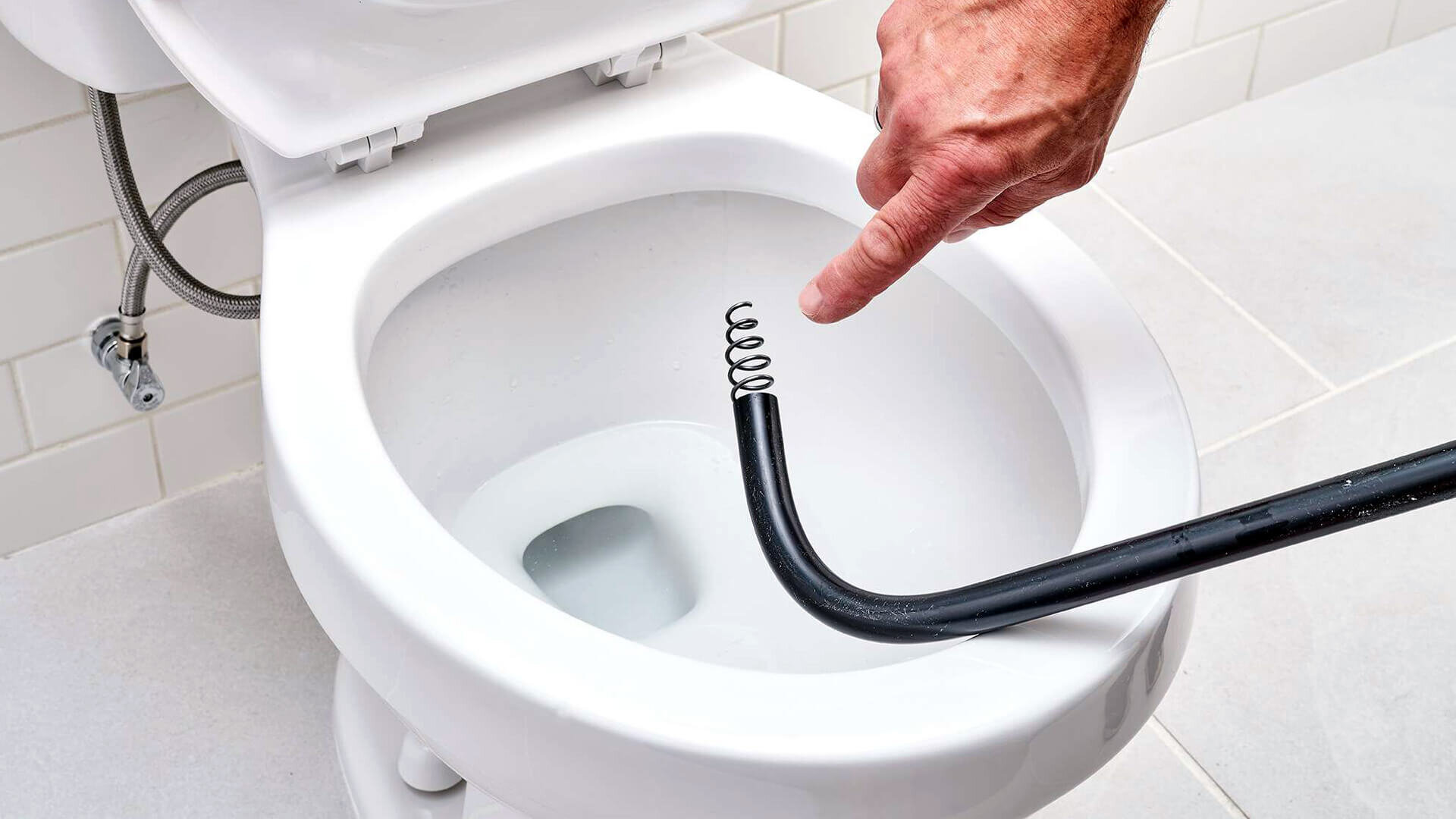
Eight safe steps when an object may be stuck
1. Stop flushing
Do not flush again to test whether the object has moved. Keep children and other household members away from the toilet and use another facility if one is available.
2. Keep hands and tools out of the pan
Do not reach into the bowl or trap, even with gloves. Avoid coat hangers, rods and improvised hooks; they can damage the toilet, push an item farther into the drain or expose you to contaminated water.
3. Do not add chemicals or a wet vacuum
Drain cleaners do not retrieve a solid object and can create a chemical exposure risk for the next person working on the toilet. A household or wet vacuum is not a safe way to remove contaminated toilet water or a trapped object. Do not mix products or pour boiling water into the pan.
4. Note what may have fallen in
If you know which item is missing, tell the plumber its approximate size and material. Do not try to recover it with fingers, a brush or a tool. If nobody saw the incident, say that the cause is unknown rather than guessing.

5. Check whether other fixtures are affected
From outside the affected area, note whether another toilet, basin, shower or floor drain is slow, gurgling or backing up. Multiple affected fixtures or wastewater overflow may indicate a wider drainage problem. Do not keep running water to test it.
6. Keep clear if water is rising or overflowing
If the pan is close to overflowing, do not touch wet flooring or electrical equipment. Keep children and pets away from any wastewater. If an overflow is occurring, stop using connected fixtures and contact the relevant water service provider if the network may be involved, as well as arranging a licensed plumber for private plumbing.
7. Give the plumber useful information
Explain when the problem began, what may have been dropped, whether anyone has flushed since, and whether other fixtures have changed. Mention any chemical product already used. This helps the plumber choose a safe inspection method without asking you to dismantle anything.
8. Use a licensed plumber for clearing work
In Queensland, unblocking sanitary plumbing or sanitary drainage is regulated minor work. It must be performed by a QBCC licensee, but the minor-work category does not require a local-government permit or QBCC notification. Minor work is not the same as unregulated work. Read the QBCC regulated plumbing-work requirements.
Why common DIY methods can make this worse
A plunger can move water and pressure without retrieving a solid object. A toilet auger is a trade tool that can scratch porcelain or push an item into a less accessible section if used incorrectly. Removing a toilet involves disconnecting plumbing and resealing the fixture.


Toilet blockage in a Queensland rental
The Residential Tenancies Authority lists a blocked or broken toilet among emergency repairs for a general tenancy. Tenants should follow the repair contact process in their agreement and contact the property manager, owner or nominated repairer. If the required contacts cannot be reached, the RTA explains the available steps for arranging a suitably qualified person or applying to QCAT. Read the current RTA repairs guidance for the specific process.
For a private property, or if the property manager has asked you to arrange the repair, send Big Blue Plumbing an enquiry. Include the property location, the affected toilet and whether other fixtures are involved.
Frequently asked questions
Should I try to remove the item myself?
No. Do not reach into the bowl or use wire, a vacuum, chemicals or a toilet-removal tutorial. Stop flushing, keep others away and call a licensed plumber to clear the sanitary plumbing safely.
Can a plunger remove an object from the trap?
A plunger may move water, but it cannot confirm that a solid object has been retrieved and can push it farther into the drain. Stop flushing and ask a plumber to assess the blockage.
What if none of the safe first steps resolves it?
Do not try stronger chemicals or more tools. Give the plumber the details you observed and mention any product already used. If wastewater is overflowing, keep clear, stop using connected fixtures and contact the appropriate provider.
Is it safe to use a chemical drain cleaner?
No chemical will retrieve a solid item. Do not pour drain cleaner into the toilet or mix products. If a product has already been used, tell the plumber its name before work begins.


