

Choose a water-treatment system for a specific, tested water-quality need. A filter does not automatically make water safe or remove every contaminant; performance depends on the exact model, operating conditions and maintenance.
If you use reticulated town water and notice a change, check the water provider’s current advice before adding a treatment system. For a private bore, rainwater or other supply, test the water first and use the results to identify what, if anything, needs treatment.
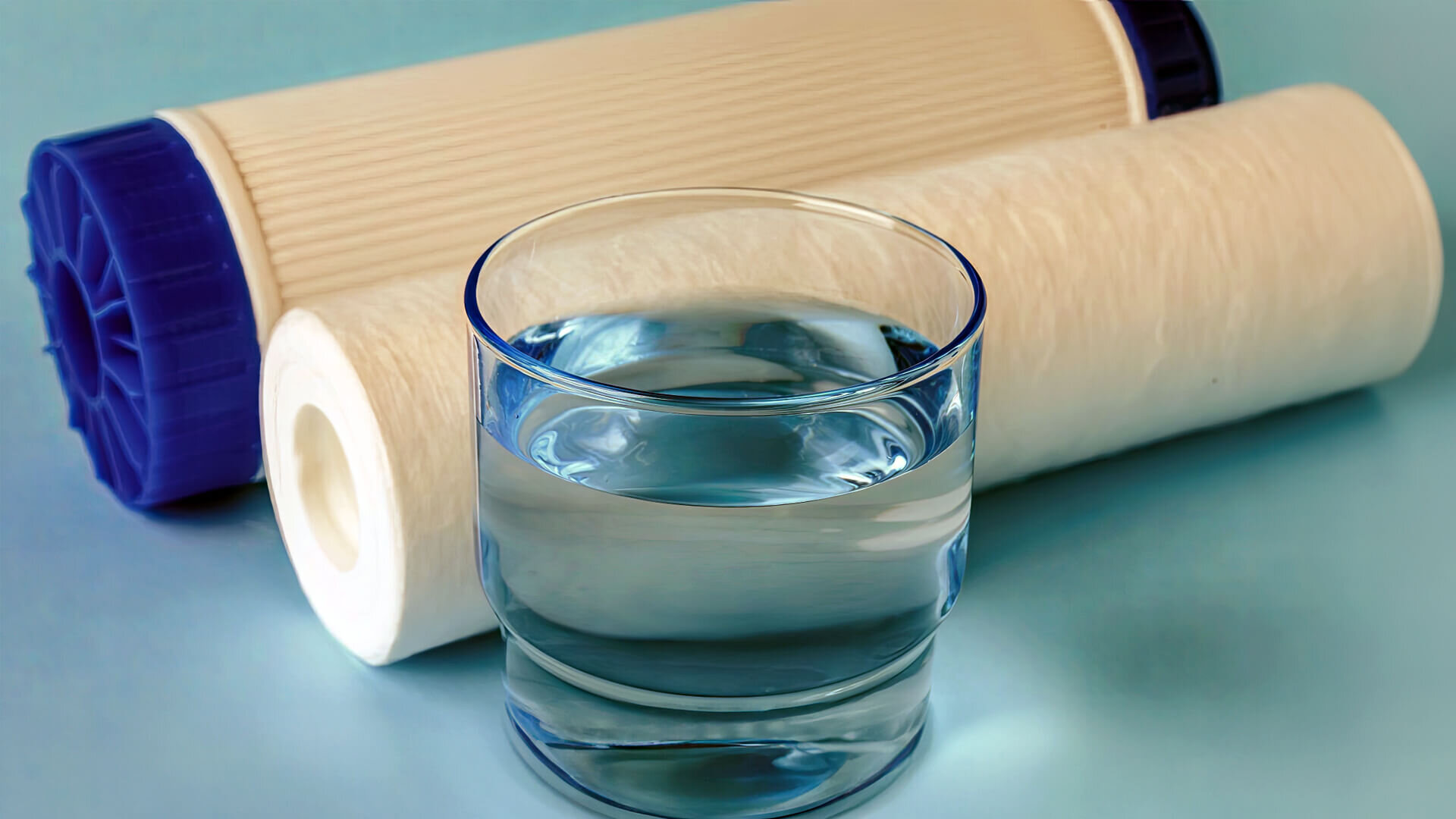
Match treatment to the water and contaminant
Queensland Health explains that a filter’s ability to remove a contaminant depends on its media, grade and flow rate. Particle filters, carbon stages, membranes and ultraviolet systems have different purposes; one device may not address every problem.
A carbon stage may reduce taste, odour or a named contaminant only where the manufacturer’s evidence supports that claim. Reverse-osmosis systems may reduce specified dissolved substances, but they can produce a reject-water stream and need appropriate maintenance. Ultraviolet treatment is a separate disinfection step for microbes, not a general filter for sediment or dissolved chemicals; confirm its model-specific operating requirements.

Check product evidence and installation
Check the exact brand and model’s performance documents, target contaminants, operating limits and replacement schedule. Do not rely on a broad “removes impurities” claim without seeing which substances were tested and under what conditions.
WaterMark lists drinking-water treatment systems under AS 3497. Confirm that the exact product is certified where required and that its documented scope matches the proposed use. WaterMark certification is not proof that a unit removes every contaminant.
The WaterMark product schedule describes the relevant treatment-system category. Queensland Health’s private-supply guide discusses treatment selection and maintenance.

Plan for upkeep and waste
A cartridge that is overdue for replacement may not perform as intended. Follow the maker’s replacement or cleaning schedule and arrange water testing where the treatment system is intended to manage a health-related contaminant.
Consider the full system, including cartridge disposal, power needs and any water sent to drain. These impacts vary by product, so use the manufacturer’s specifications rather than a blanket environmental claim.


Know the plumbing-work boundary
QBCC lists replacing a domestic water-filter cartridge as unregulated work. Installing a filter, altering water pipework or connecting a treatment appliance may be a separate plumbing task and should be checked against Queensland’s licensing and approval rules.
For a private supply, testing is the starting point; for town water, follow the provider’s advice about any reported issue. A general renovation enquiry can be sent through Big Blue Plumbing’s contact page.


