

Water-efficient fixtures can reduce the amount of water used at a tap, shower or toilet, but a star rating is only one part of choosing the right product. Compare the labelled water use with the job the fixture needs to do, the water pressure at the property and the existing plumbing.
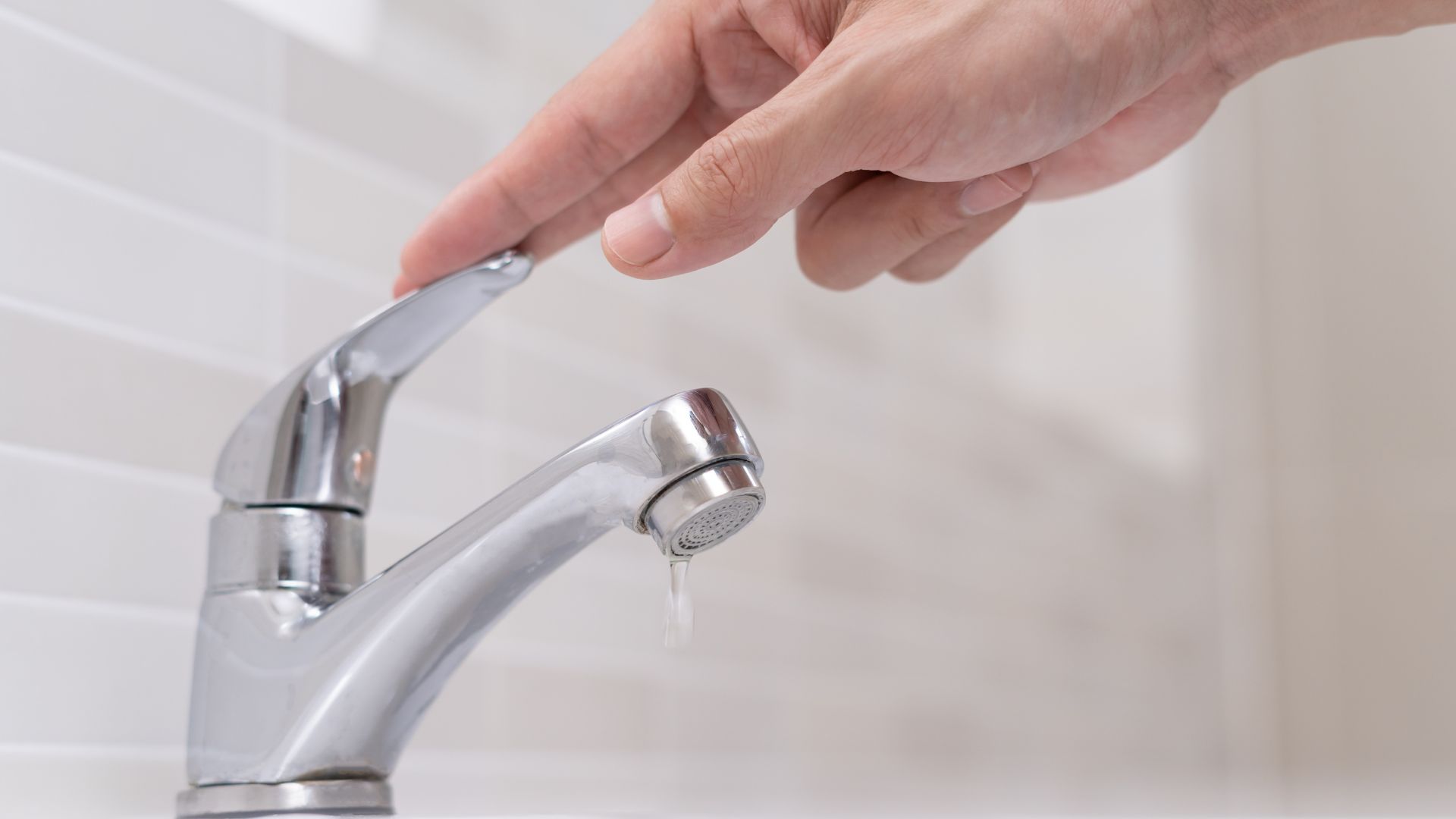
Use the WELS label to compare products
The Australian Government’s Water Efficiency Labelling and Standards scheme, known as WELS, rates covered products using standardised testing. More stars mean the product uses less water within its product category. The label also lists a measured flow rate or consumption figure. Compare products of the same type and check the registered product details in the Water Rating information.
Choose a rating that fits the task
Showers
WELS-rated showers are tested for water use, and higher-rated models are also tested for spray performance. Compare the flow and spray pattern, and check whether the shower works with the pressure available in your townhouse. A low-flow product may not feel the same in every plumbing setup.

Toilets
Toilet ratings reflect the water volume used for an average flush pattern. Check the WELS label and compatibility of the pan and cistern as a matched product. Do not assume a higher rating means every older toilet can take a new cistern or that a flush problem is caused by water use.

Bathroom, kitchen and laundry taps
For a bathroom basin, a lower-flow tap may suit handwashing. Kitchen and laundry tasks often need enough flow to fill a pot or tub, so compare the actual label and consider the use rather than choosing the highest star number automatically. The government’s water efficiency guide recommends comparing WELS water use and notes that kitchen and laundry taps have different needs from bathroom basin taps.

Check the townhouse context before buying
Townhouses can have individual or shared meters, shared pressure equipment, and body corporate rules about common services. Confirm what is being measured on your water bill and whether the proposed change affects a shared pipe, meter or common property. Ask the body corporate or manager about applicable by-laws before altering shared services.
A WELS rating does not guarantee a fixed bill saving. Household use, tariff, water pressure, fixture condition and the number of residents all affect the result. Replacing a leaking or inefficient fixture can reduce waste, but compare the model’s rated use with the fixture you are replacing rather than relying on a general savings claim.

Queensland installation and maintenance
In Queensland, replacing a showerhead is one example of unregulated plumbing work that a householder may do. The rules do not extend to all fixtures or pipe alterations. Moving a tap or toilet, changing pipework or connecting a new fixture may be regulated and may need a QBCC licensee or notification. Check the exact scope in the Queensland plumbing law guide before starting work.
Keep the product’s installation and cleaning instructions. Do not remove a flow controller or alter a fixture to increase flow; it can change how the product performs. A plumber can check compatibility and leaks where the work goes beyond a permitted simple replacement.

To discuss a fixture change or townhouse plumbing assessment, send Big Blue Plumbing an enquiry with the fixture type, product model and whether the service is shared.
Frequently asked questions
What does a WELS star rating tell me?
It compares a covered product’s water efficiency within its product type. Use the labelled water consumption figure as well as the stars, and compare similar products rather than different types.
Does a higher WELS rating always suit a kitchen tap?
Not necessarily. Kitchen tasks may need more flow than a bathroom basin. Compare the use, measured flow, pressure compatibility and product instructions before choosing.
Can I replace a showerhead myself in Queensland?
Queensland lists changing a showerhead as unregulated plumbing work. Moving pipework or making other fixture changes is different. Check the exact task in the state plumbing law guide.
Will a water-efficient fixture lower my townhouse water bill?
It may reduce the water used by that fixture, but the bill effect depends on how it is used, your tariff and whether the townhouse has a shared or individual meter. No rating guarantees a particular saving.


