

A bathroom sink can drain slowly when hair, grooming debris, soap residue or a small object collects near the waste or farther along the pipe. The visible symptom does not show exactly where a blockage is or what caused it. A few low-risk habits can limit debris entering the drain; a persistent or recurring problem needs a proper assessment.
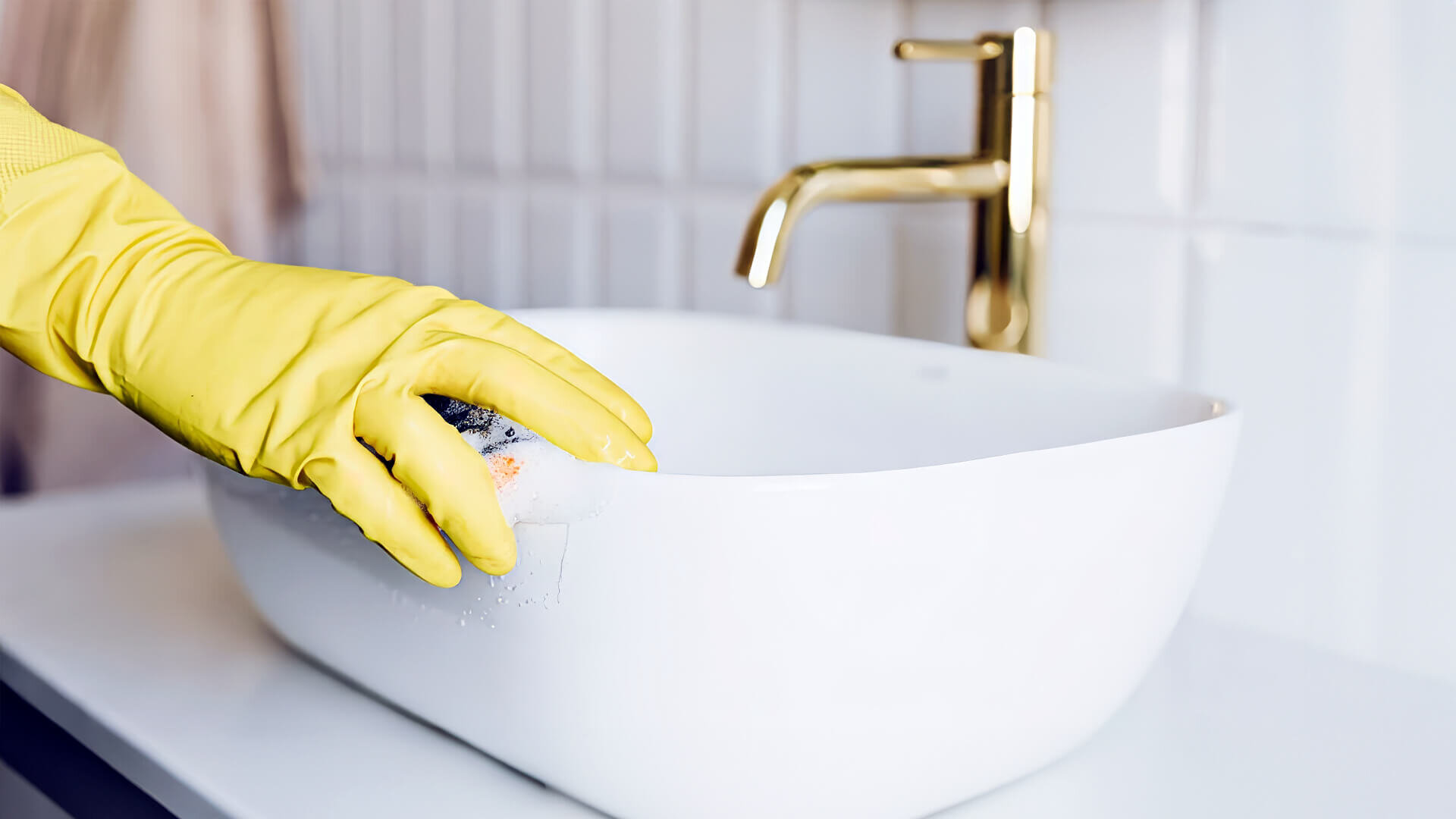
What commonly collects around a basin waste
Hair can collect around a plug or waste opening, and grooming items such as cotton buds, dental floss, tissues or small accessories may be washed or dropped into the basin. Soap and toothpaste residue can also leave deposits on the plug and nearby surfaces. Mineral scale or a pipe defect may contribute in some systems, but you cannot identify the cause from a slow-draining basin alone.
Many bathroom basins have a trap that holds water to limit sewer gases entering the room. Do not remove or open the trap to look for a blockage. In Queensland, most plumbing and drainage work must be carried out by an appropriately licensed person.

Simple habits that reduce debris
- Fit a removable basin strainer if it is compatible with the plug and waste; empty collected hair and debris into the rubbish.
- Keep jewellery, cotton buds, floss, tissues and small grooming items away from the open basin.
- Wipe soap and toothpaste residue from the visible plug and basin instead of washing clumps into the waste.
- Use the plug or stopper when handling small items over the basin, and remove it after use if the manufacturer’s instructions allow.
- Tell household members not to flush wipes or personal-care items down the toilet.
These habits may reduce the material that enters the drain; they cannot prevent every blockage or correct a damaged pipe.
Keep sink parts in good condition
Clean only the parts that are designed to be removed for user cleaning, following the basin or waste manufacturer’s instructions. If the plug is stuck, a joint is leaking or the drain becomes slow again, do not force the mechanism or undo fittings. A plumber can inspect the waste, trap and pipework without guesswork.

Be cautious with home drain remedies
Do not pour boiling water into a basin as a routine treatment; it can cause burns and may be unsuitable for the basin, waste, seals or connected pipework. Baking soda, vinegar, enzyme products and other household mixtures are not a reliable substitute for finding the cause of a recurring blockage. Never mix cleaners or add a second product to a drain that already contains chemicals. Follow any product label and keep people away from splashes.
What if the sink is already slow?
Stop adding products and note whether the basin drains slowly every time or only intermittently. If a chemical cleaner has been used, keep your hands away from the waste and tell the plumber the product name. Do not reach into the opening, push a wire or snake down the pipe, plunge while chemicals may be present, or take apart the trap.


When to arrange a plumbing assessment
Get advice if the basin remains slow after routine surface cleaning, the problem keeps returning, there is a leak or odour, or more than one fixture is affected. If wastewater backs up or overflows, stop using connected fixtures and keep clear of the affected area. For work in a Unitywater service area, its toilet and wastewater guidance distinguishes private plumbing issues from problems in the utility network. Other properties should contact their local water service provider.
QBCC guidance explains that clearing sanitary plumbing or drainage is regulated plumbing work and must be completed by an appropriately licensed person. Read the QBCC requirements for regulated plumbing work.

Prevent repeat issues with useful information
If a plumber has cleared the basin before, keep the repair details and ask what conditions may have contributed. Note which fixture was affected, whether nearby drains changed and when the problem returned. Do not assume a routine four- or six-month drain clean is needed without a specific diagnosis or recommendation for the property.

A clear-looking surface drain does not confirm that the pipework is clear. If symptoms return, book an assessment rather than repeatedly pouring products into the waste.
For a bathroom sink that remains slow or keeps blocking, send Big Blue Plumbing an enquiry with the symptoms and any drain products already used.
Frequently asked questions
How often should I use baking soda in a bathroom drain?
We do not recommend baking soda and vinegar as a scheduled drain treatment. It is not a substitute for identifying a recurring blockage. Use a compatible strainer, keep debris out and call a licensed plumber if the basin remains slow.
Can I clear the sink myself?
You can clean the visible basin and a user-removable strainer according to its instructions. Do not remove the trap, push a tool into the waste or add chemicals. Queensland regulates plumbing work; a licensed plumber should assess persistent or recurring blockages.
How much does drain cleaning cost?
Cost depends on the cause, access and work required. Big Blue Plumbing provides a fixed price for the agreed scope before work starts; additional work is explained and priced separately for approval. There is no call-out fee to attend and quote unless advised in advance. Ask for the scope and applicable price when booking.
Do you offer emergency service for a blocked basin?
Big Blue Plumbing offers a 24/7 emergency plumbing service and accepts emergency enquiries. Response and attendance timing depends on demand, location and the job, and is confirmed when booking. If there is a wastewater overflow, keep clear and contact the water service provider as well as arranging help for a private plumbing issue.


