

For a slow bathroom sink, start with visible debris around the plug or strainer and follow the fixture maker's instructions. If the water remains slow, avoid escalating to boiling water, chemical combinations or improvised tools.
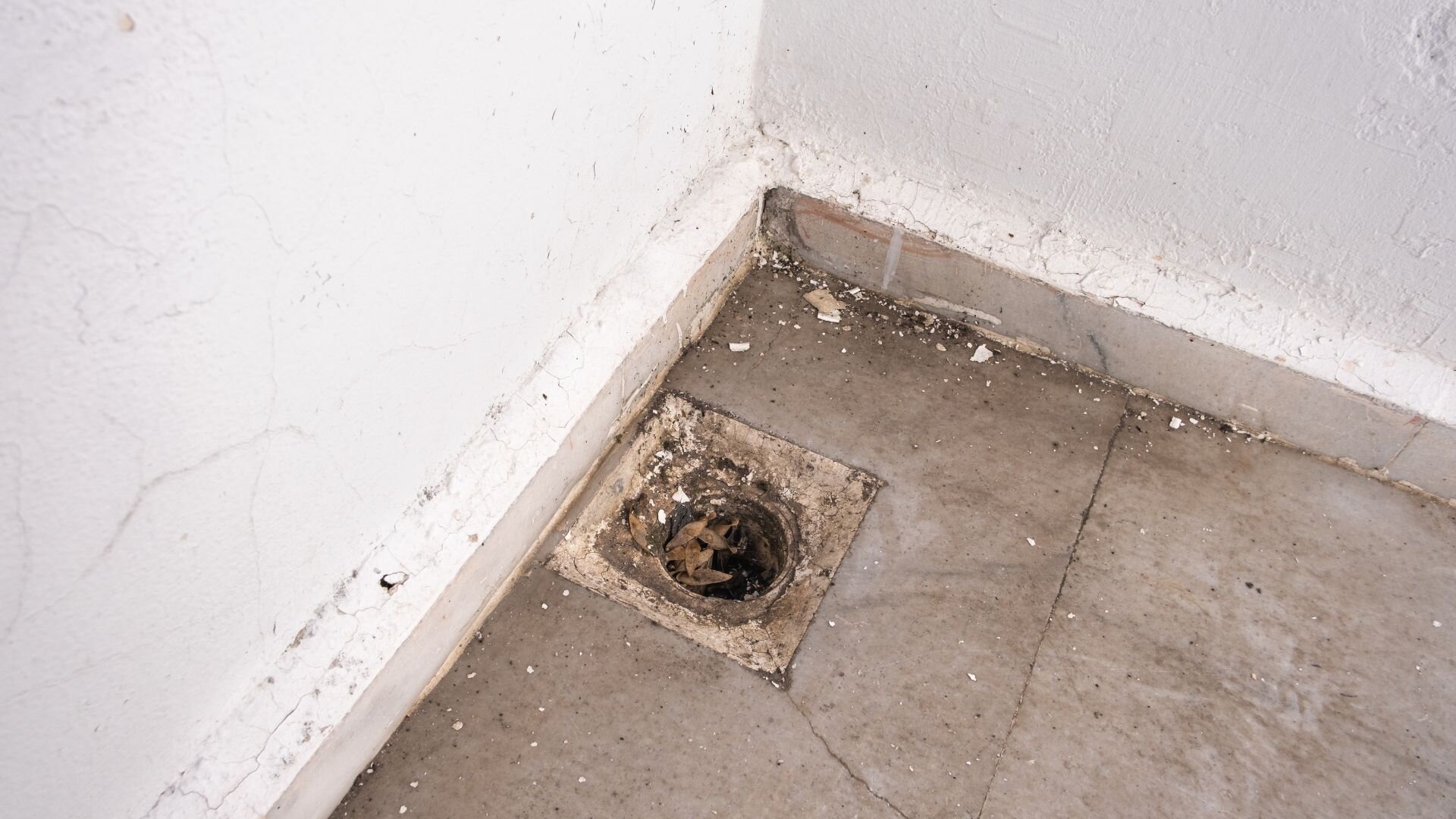
Why a bathroom basin slows down
Hair, soap residue and personal-care products can collect around the plug, pop-up waste or trap. A blockage may also sit further along the waste pipe. Slow drainage alone does not show where the obstruction is.
Low-risk checks
- Remove loose material that is visible at the plug or strainer. Do not push it further into the waste.
- Clean a removable strainer or plug only as the manufacturer permits, then refit it correctly.
- If there is no standing water and the fixture maker allows it, try a basin plunger with enough water to cover the cup. Stop if the seal or fixture moves, leaks or is damaged.
- Keep other fixtures clear and watch for water rising in a nearby basin, shower or floor waste.
Wear gloves when handling drain debris and wash your hands afterwards. Pouring boiling water poses a scald risk and may not clear the blockage. Do not mix drain products, vinegar, bleach or other cleaners. Never use a coat hanger, wet vacuum or unapproved chemical to force a blockage through.
When to stop and call a plumber
Stop if the sink remains blocked, water backs up elsewhere, a leak appears, or the plug assembly is difficult to remove. A persistent problem can need inspection beyond the basin waste.
Tell the plumber which fixtures are affected, when the issue began and what has already been used. If a chemical drain product has been poured in, identify it and follow its label before anyone works on the pipework.
Queensland law distinguishes regulated plumbing work from limited unregulated tasks. Do not dismantle fixed pipework or attempt plumbing work based on a generic online remedy. A licensed professional can assess the system and explain the next step.
Reduce repeat blockages
Use a correctly fitted hair catcher if it suits the basin, and clear it regularly. Keep wipes, cotton products and other debris out of the waste. Routine cleaning of accessible plug parts is safer than repeatedly pouring mixtures into the drain.
For repeated or stubborn problems, contact Big Blue Plumbing to arrange an assessment.
For more general advice, see the Queensland Government's plumbing laws and homeowner work guidance.


